 (Image source: Gemini)
 If you've ever tried to handle the madness of a major metropolitan film festival, you know the drill. You're fighting for a spot in a line that stretches three city blocks, paying twenty dollars for a lukewarm coffee, and realizing your hotel is a forty-minute subway ride from the actual screen. It's exhausting. You start to wonder if you're there for the movies or just the endurance test.
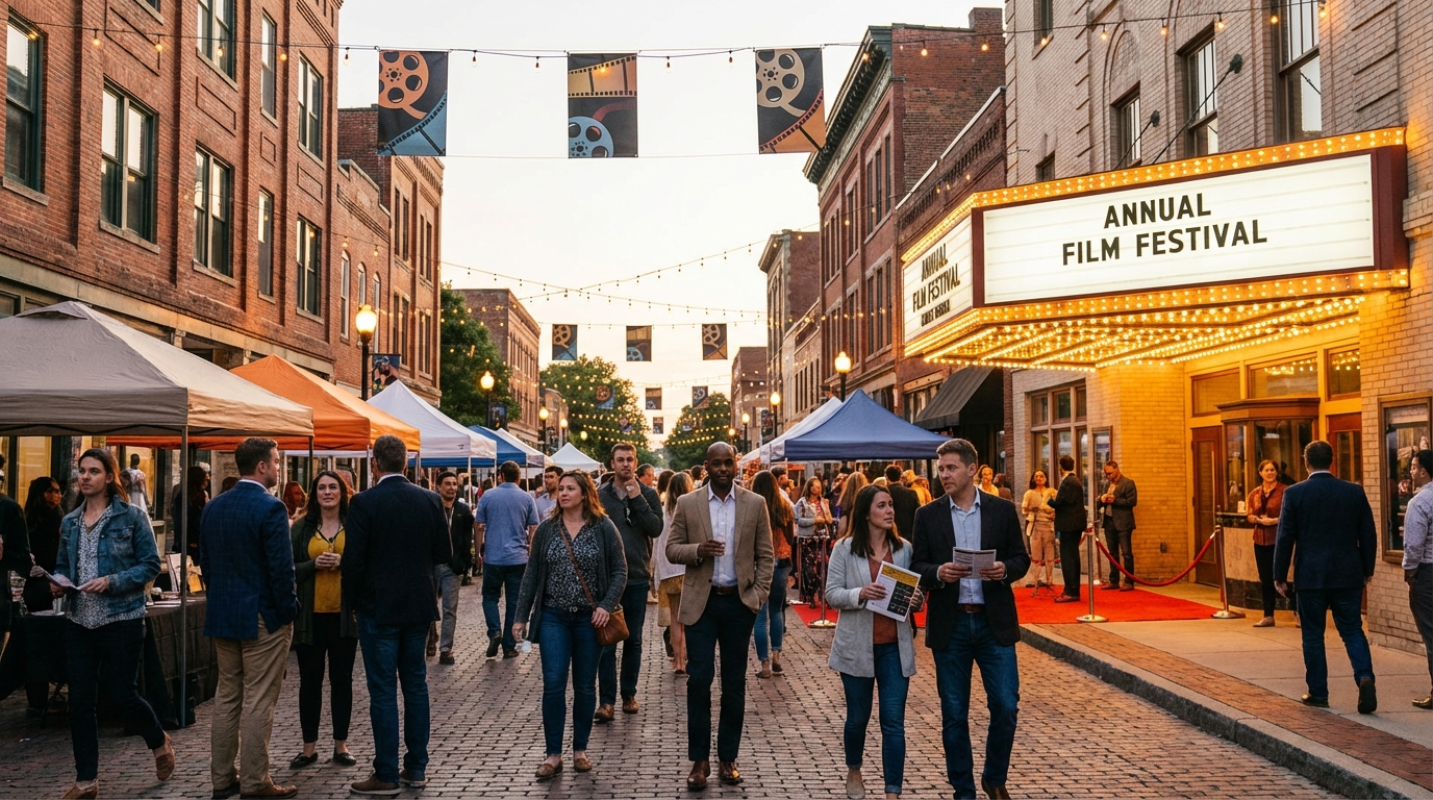
That's where the mid-sized city festival comes in. These events offer something the giants can't quite replicate anymore. They offer intimacy. Imagine a place where the entire downtown area transforms into a cinema hub, where you can walk from a documentary premiere to a local bistro in five minutes, and where you might actually end up sharing a drink with the director of the film you just saw.
For our purposes, a mid-sized city usually has a population between 100,000 and 500,000, though some smaller resort towns play in this league because of their infrastructure. These locations are big enough to have great food and reliable transit, but small enough that the festival feels like the only thing happening in town. It's a total takeover.
So why should you care? These festivals provide a more authentic and affordable alternative to the glitz of Los Angeles or New York. You get the same high-quality programming without the velvet rope attitude. It's about the work on the screen and the people in the seats, which is exactly how film culture should feel.
The Underrated Appeal of Mid-Sized Festival Destinations
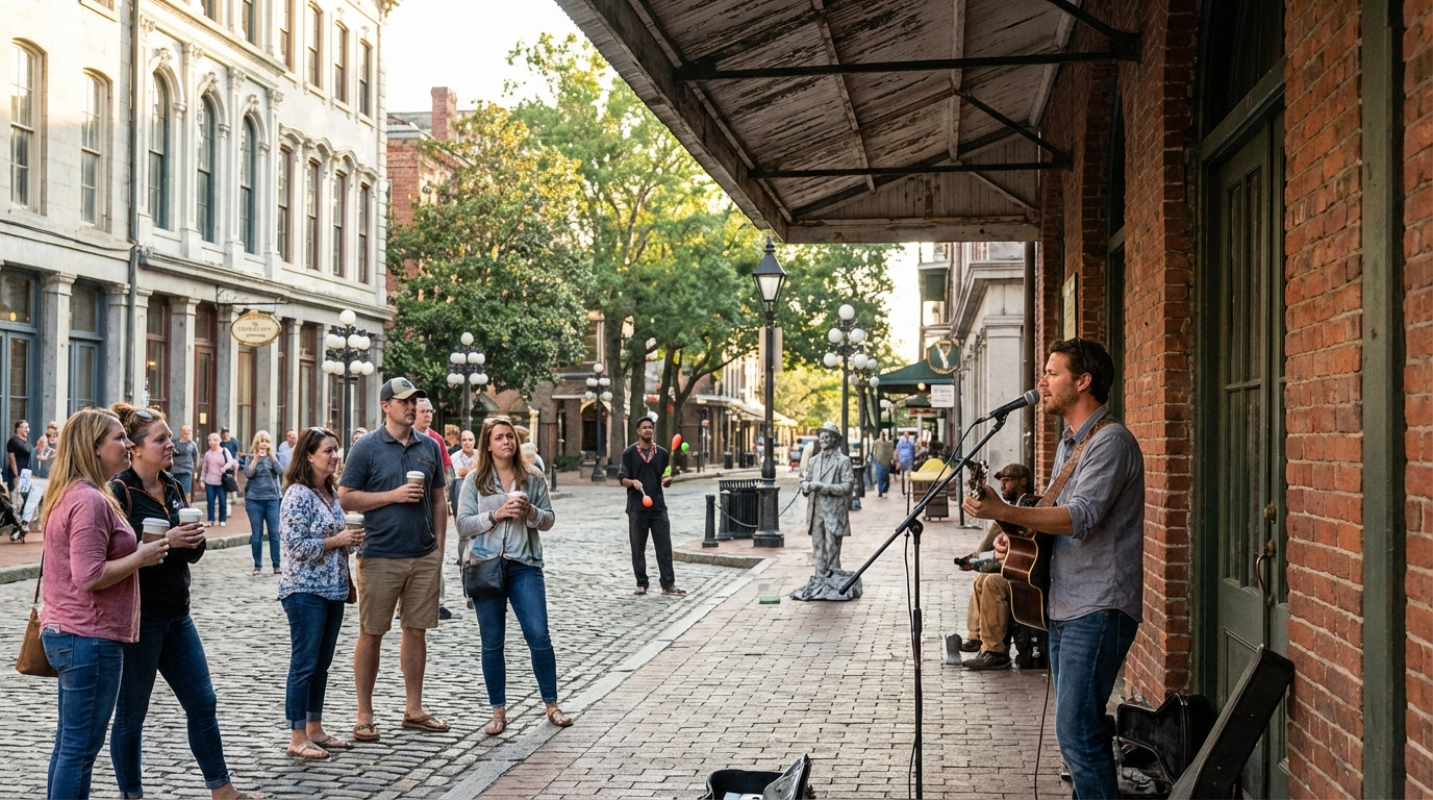
When a festival happens in a place like Nashville or Savannah, the community buys in. Local businesses put up posters, restaurants create themed menus, and the volunteers actually know your name by day three. This level of involvement creates a specific energy that you just won't find at a massive convention center in a mega-city.
Accessibility is the real winner here. In a mid-sized market, you aren't just a face in a crowd of ten thousand. You're part of a focused group of enthusiasts. The venues are often historic theaters or repurposed local landmarks, giving every screening a sense of place. You aren't just watching a movie in a sterile multiplex. You're watching it in a 1920s movie palace with original crown molding.
The affordability factor is also hard to ignore. Although Sundance or Toronto can bankrupt a casual fan, festivals in cities like Columbia, Missouri, or Cleveland, Ohio, allow your dollar to go much further. You'll spend less on lodging and food, which means you can afford that extra pass for the midnight shorts program. It's a win for your wallet and your watchlist.
Festivals That Deliver Big City Quality on a Local Budget
Let's look at a few heavy hitters that prove you don't need a skyscraper to host a world-class event. Take the Sundance Film Festival in Park City. Although it's moving to Boulder, Colorado, in 2027, the previous editions in Utah have remained the gold standard for independent cinema. The 2025 festival saw a 17 percent increase in attendance, proving that people still crave that mountain-town atmosphere despite the logistical hurdles.¹
Then there's the Santa Barbara International Film Festival (SBIFF). Often called the American Riviera, this coastal city becomes an Oscar season powerhouse every February. In 2025, they celebrated their 40th anniversary with over 100,000 attendees and dozens of world premieres. It's close enough to Hollywood to attract A-list talent but far enough away to feel like a vacation.
If documentaries are more your speed, you can't beat the True/False Film Fest in Columbia, Missouri. It's widely considered one of the best documentary festivals on the planet. The vibe is completely unpretentious and intellectual, turning a college town into an immersive art installation for a long weekend. Forbes even described it as the Sundance of Middle America.²
Affordability and Local Flavor for the Smart Traveler
Traveling to a mid-sized city for a festival is a strategic move. Flights into regional hubs are often cheaper than flying into LAX or JFK during peak season. Once you're on the ground, the lack of a need for a car is a massive relief. Most of these festivals are designed to be walkable, or they offer free shuttles that actually work.
The local flavor is what stays with you after the credits roll. In Savannah, you're walking under Spanish moss between screenings. In Nashville, you're hearing world-class live music in the streets between indie features. These cities integrate the festival into their existing cultural identity, so you're getting a travel experience and a film experience rolled into one.
You'll also find that the food scene in these cities is often more accessible and creative. Instead of waiting two hours for a table at a tourist trap, you can find a local gem that's genuinely excited to host festival-goers. It's these small interactions that make the trip feel like a discovery rather than a chore.
Top Recommendations
If you're looking to plan your next cinematic getaway, these cities offer the best balance of programming and atmosphere.
- Sundance. Park City, Utah. The ultimate indie discovery hub with high-stakes industry energy.
- Santa Barbara. Santa Barbara, California. A luxury coastal experience with heavy Oscar-season influence.
- True/False. Columbia, Missouri. A grassroots documentary festival that feels like an art party.
- SCAD Savannah. Savannah, Georgia. A star-studded event run by the Savannah College of Art and Design.³
- Telluride. Telluride, Colorado. A secret-program festival for the true cinephile who loves the outdoors.
- Nashville. Nashville, Tennessee. A perfect mix of music-centric films and Southern hospitality.
What to Expect from Programming and Industry Interaction
Mid-sized festivals are masters of balance. They don't just show the big-budget indies that already have distribution. They're the places where you'll find experimental shorts, student films, and documentaries that might never hit a major streaming service. It's a treasure hunt for your eyeballs.
The industry interaction is also much more relaxed. At a major festival, the Q&A sessions can feel rushed and formal. In a mid-sized city, the filmmakers are often hanging out in the lobby or the local coffee shop after the show. They're usually happy to chat if you're respectful. This is where real networking happens.
Securing tickets is generally easier, but don't get complacent. Popular screenings in smaller venues can still sell out in minutes. Most of these festivals offer a Mini-Pak approach where you buy a bundle of 5 or 10 tickets at a discount. This is almost always a better deal than buying individual tickets or a multi-thousand-dollar VIP pass.
Timing Your Visit for Maximum Enjoyment
Most of these festivals are scheduled during the shoulder seasons. Think February, March, or October. This is a deliberate move to fill hotel rooms when tourism is usually slow, which works in your favor. You'll get better rates and fewer "normal" tourists clogging up the sidewalks.
You really need to book your lodging six to nine months in advance. Because these are mid-sized cities, the hotel inventory is limited. Once the downtown hotels are full, you're stuck in a chain motel by the highway, which kills the walkable vibe. If you can, stay in the historic district or near the main theater hub.
Packing is all about layers. For Sundance or True/False, you'll need serious winter gear because you will be standing outside in lines. For Savannah or Santa Barbara, it's more about comfortable walking shoes and a light jacket for the evening. Always check the venue rules too. Some historic theaters have strict "no outside food" policies that they actually enforce.
The Case for the Off-Beat Festival Journey
There's a specific kind of magic that happens when a city and a cinema culture collide in a manageable space. You aren't just consuming content. You're participating in a community event. You'll find yourself talking to strangers about a Polish documentary at 1:00 AM, and that conversation will feel like the most important thing in the world.
These festivals are cultural hubs that deserve your support. They provide a platform for voices that the mainstream industry often ignores. By choosing a mid-sized city for your next festival trip, you're getting a better value, a better view, and a much better story to tell when you get home.
So skip the velvet ropes this year. Look toward the cities that actually want you there. Research a festival in a place you've never been, book a room in a local boutique hotel, and get ready to see something you'll never forget. The best screen in the country might just be in a city you've never considered visiting.
Sources:
1. Santa Barbara International Film Festival Annual Report
2. The True/False Film Festival: An Annual Launching Pad for Documentaries
.png)
.png)