.png) (Image source: Gemini)
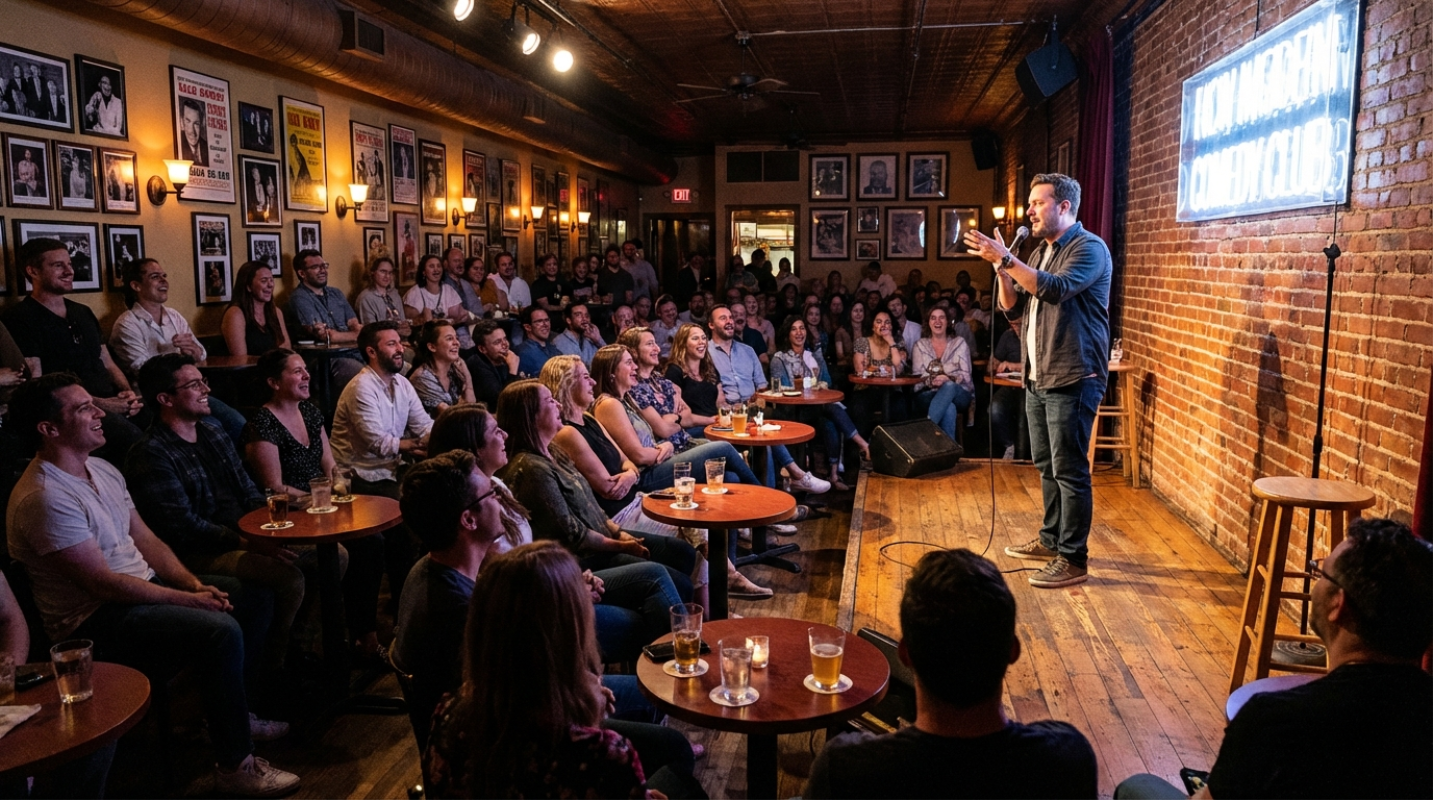
(Image source: Gemini) Walking through the streets of San Diego or Cologne during a peak weekend, you aren't just seeing a few tourists with maps. You're witnessing a full-scale takeover. Tens of thousands of people are dressed as space marines, wizards, and digital avatars, clogging the sidewalks and filling every hotel room within a thirty-mile radius.
If you think this is just a bunch of fans having a bit of fun, you're missing the bigger picture. These massive gatherings have transformed from niche meetups into the heavy hitters of the global travel industry. We're living in an era where a single four-day event can pump more money into a city's economy than a season of professional sports.
So why is this happening now? The shift is simple. You and your friends are likely prioritizing experiences over stuff. Although previous generations might have saved up for a new car or a fancy watch, today's travelers are saving up for a front row seat at a celebrity panel or a first look at a new gaming console. This "Experience Economy" is the new engine for urban tourism, and it's running at full throttle.
The San Diego Gold Standard and the Halo Effect
When you talk about entertainment tourism, you have to start with San Diego Comic-Con (SDCC). It's the undisputed heavyweight champion. In 2025, the event generated over $161 million for the local economy.¹ That isn't just a big number on a spreadsheet. It represents $96.8 million in direct spending from people like you who bought tickets, booked rooms, and ate at local spots.
The city itself walked away with about $3.2 million in tax revenue from that one weekend. Think about what that does for a municipality. That money pays for road repairs, public safety, and park maintenance. It's why you see mayors and city councils rolling out the red carpet for these events. They aren't just fans of the art; they're fans of the math.
But the real magic is the "Halo Effect." This is the economic ripple that moves outward from the convention center. When 135,000 people descend on a city, the convention center can't hold them all at once. They spill out into the Gaslamp Quarter. They pack the bars. They fill the restaurants that would normally be quiet on a Thursday afternoon. Every local business within walking distance becomes part of the show. It's a total ecosystem where the convention is the sun and everything else revolves around it.
Gaming and Niche Fandoms are Taking Over
It's a mistake to think this is only about comic books. The gaming world is arguably an even bigger driver of tourism today. Take Gamescom in Cologne, Germany. In 2025, they saw 335,000 visitors from 120 different countries. That's a massive international draw that puts most traditional trade shows to shame.
Then you have events like Anime Expo in Los Angeles. It recently hit a staggering 410,000 turnstile attendees. When you have that many people in one place, you're looking at over 122,000 hotel room nights. That's a lot of housekeeping, a lot of room service, and a lot of Uber rides.
What's driving this growth? It's the "Return on Interaction." You aren't going to these events just to see things. You're going to do things. Whether it's a high production value "activation" where you can walk through a recreated movie set or an AI-powered "micro-moment" that gives you a personalized itinerary, the focus is on engagement.² You want to be part of the story, not just a spectator.
We're also seeing a rise in "Destination Dupes." Let's be honest, going to New York or San Diego is expensive. Because of that, you might find yourself looking at Raleigh for GalaxyCon or heading to Indianapolis. These secondary cities are seeing a massive surge in travel searches because they offer a similar vibe without the Tier 1 price tag.
The High Cost of Hosting a Mega Event
If you're a city looking to host one of these events, you can't just open the doors and hope for the best. The logistics are a nightmare. You need massive convention centers with specialized AV and streaming capabilities. You need a public transit system that won't buckle under the weight of 100,000 extra people.
And the attendees? They're high spenders. The average Comic-Con attendee spends nearly $700 per trip on lodging and food. This isn't the "budget traveler" crowd. These are people willing to pay a premium for exclusive merchandise and VIP access.
This high spending profile has triggered intense bidding wars between cities. Municipalities are offering massive incentives to lure these conventions away from their long term homes. They know that if they can land a major gaming or pop culture event, they're securing a "sticky" tourism base. These fans are loyal. They'll come back year after year, regardless of what the broader economy is doing.
Top Recommendations for Convention Travelers
- Book Early: Hotel occupancy in host cities often hits 98% during these events. If you aren't booking six months out, you're staying at an airport motel thirty miles away.
- Check Secondary Markets: Look for "Destination Dupes" in cities like Austin or Orlando. You'll often get more bang for your buck and a more intimate experience with creators.
- Use AI Tools: Many 2026 conventions are using AI-powered apps to help you manage your schedule. Use them to avoid the 3 hour lines that can ruin your trip.
Technology and the New Hybrid Reality
As we move through 2026, the way you experience these conventions is changing again. We've moved past the "digital only" phase of the early 2020s, but the tech stayed behind. Now, you're seeing hybrid models where the physical event is the main attraction, but virtual access allows a global audience to participate.
This doesn't hurt tourism. In fact, it seems to help. The virtual experience acts like a four-day-long commercial for the physical event. You watch the stream this year, and you're booking your flight for next year. It's a "try before you buy" model that builds a massive pipeline of future visitors.
There's also a major push toward intentionality and sustainability. You might notice that planners are choosing 4 star hotels over 5 star ones. This isn't because they're cheap. They're reallocating that budget toward immersive local cultural experiences.³ They want to eat at the hidden gem restaurant that the locals love, not the generic hotel buffet.
The Long-Term Outlook for the Experience Economy
So where does this go from here? The data is pretty clear. International travel has fully recovered to pre-pandemic levels, and 2026 is expected to set new records. Large scale conventions are no longer just a "nice to have" for a city. They're important infrastructure.
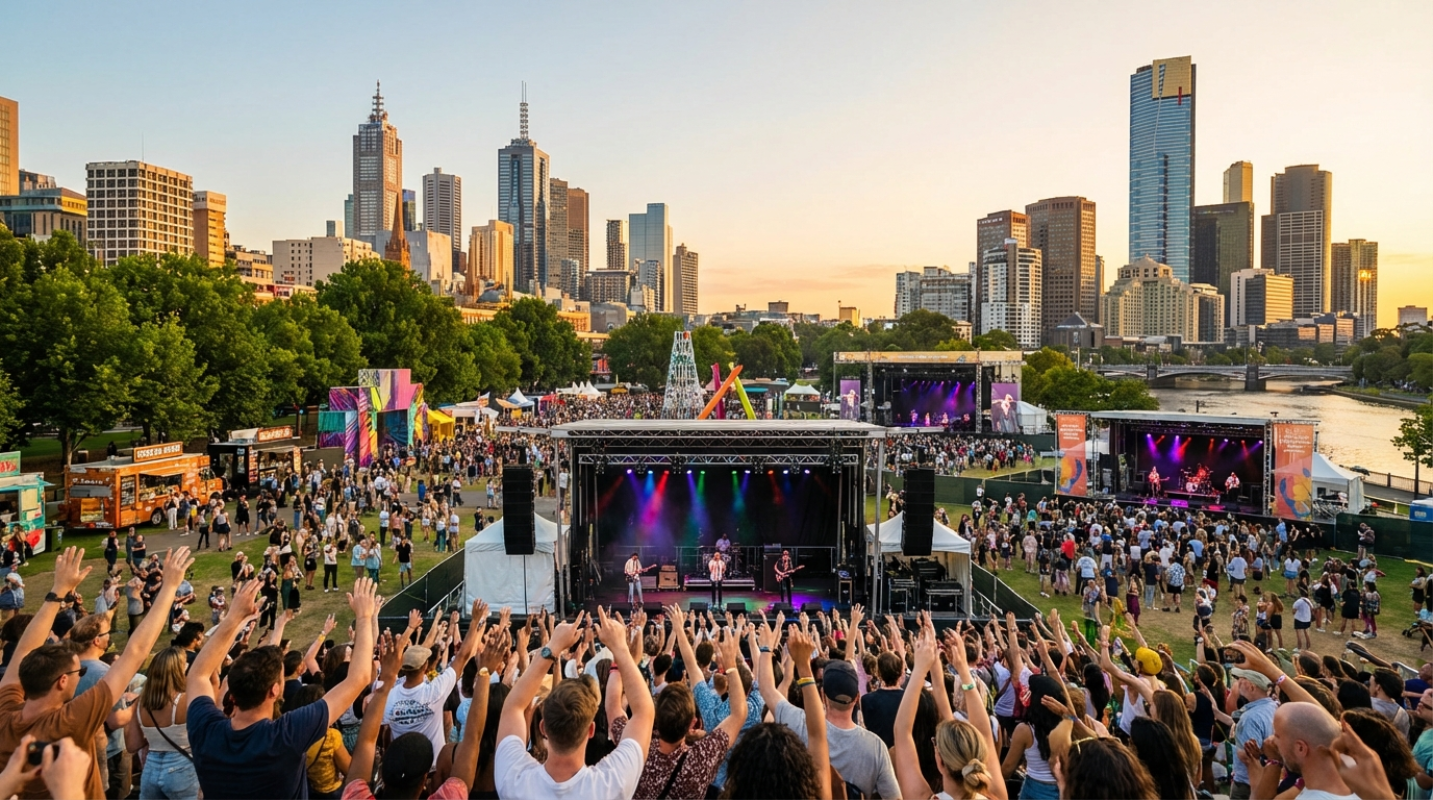
You're going to see more cities investing billions into convention center expansions. You'll see more integration of live music and festival-style programming into traditional trade shows. The line between a "business meeting" and an "entertainment event" is blurring until it's almost invisible.
Sources:
.png)