 (Image source: Gemini)
 Have you ever sat in a darkened theater right before the curtain rises? It is that split second of total silence before the first note of the overture hits. You can practically feel the collective breath of hundreds of strangers. That is a feeling you just cannot get from a streaming service or a movie theater. If you are planning your travels for 2026, why not build a trip around that specific energy?
The performing arts are more than just a night out. They are a way to understand the soul of a city. Whether it is a gritty storefront theater in Chicago or a massive opera house in San Francisco, these spaces tell us who we are. You might think you have to go to London or New York for world-class performances, but the truth is that the map of cultural hubs is expanding.
The arts sector is a massive engine for the economy. It added 1.2 trillion dollars to the US GDP in recent years.¹ People are traveling specifically for these experiences. They are staying in local hotels and eating at nearby bistros. In fact, audiences are spending about 22 percent more per event than they used to on things like dining and lodging.² So what does this mean for you? It means cities are investing more than ever in their stages.
Broadway's Bright Lights New York City and Chicago
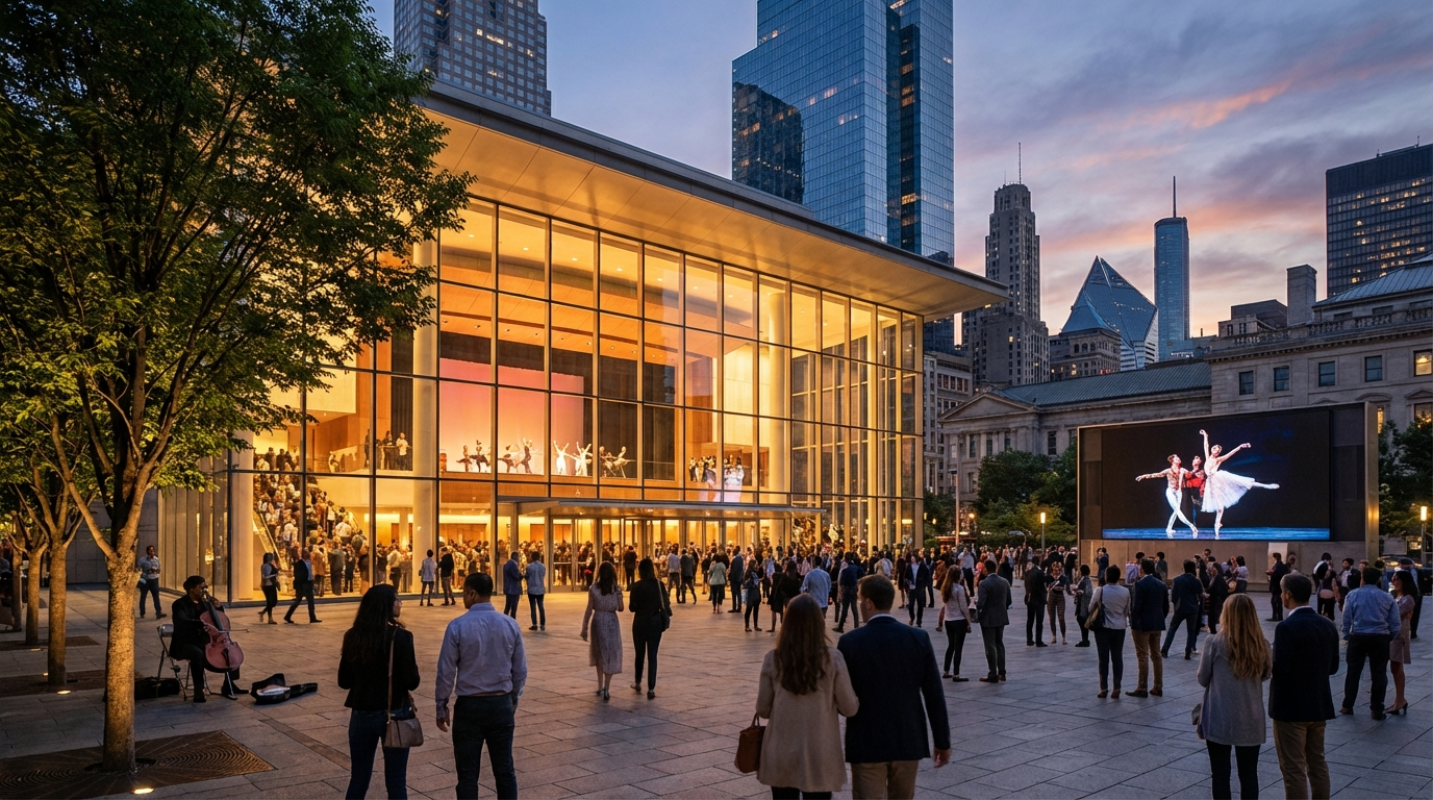
New York City remains the heavy hitter for a reason. It is the only place on earth where you can find over 10,000 theater shows in a single year. Broadway is the dream, but the real magic often happens in the smaller off-Broadway houses. These are the spots where the next big hits are born. If you are visiting in 2026, you will likely see the ripple effects of the Lincoln Center's recent renovations. They have been opening up their architecture to make the whole campus feel more like a public park than a closed-off fortress.
But if you want a scene that feels a bit more experimental, you have to look at Chicago. It is the creative hub of the Midwest for a reason. Although New York has the glitz, Chicago has the grit. The city hosts over 1,400 shows annually. It is the birthplace of legendary companies like Steppenwolf.
Chicago is also where major tours often find their footing. Remember when the Harry Potter tour launched there? It stayed for an extended run because the audience demand was so high. The ticket prices in Chicago are often much friendlier than in Manhattan. You can get a front row seat for the price of a nosebleed seat in NYC. That makes it a great spot for families or anyone who wants to see three shows in a weekend without draining their savings account.
Beyond the Coast Cultural Hubs in the Heartland and South
You do not have to be on a coast to find world-class talent. Take Minneapolis like. It actually has the highest number of theater seats per capita of any US city outside of New York. The Guthrie Theater is the anchor here. It is famous for its fearless new work. They recently staged a production of The Lehman Trilogy that had critics flying in from all over the country.
Further south, Houston is quietly becoming a powerhouse. It has a massive 17-block Theater District that feels like a city within a city. It hosts over 700 shows a year. If you are into classical music or opera, Houston is a mandatory stop. The city has a way of blending traditional arts with the diverse energy of its food scene. You can see a world-class ballet and then walk two blocks for some of the best Viet-Cajun food in the world.
Then there is Philadelphia. It is home to the Wilma Theater, which recently took home a Regional Theatre Tony Award. The city has a massive Broadway touring circuit, but its local, avant-garde scene is what really shines. It is the kind of place where you can see a Shakespeare play performed in a refurbished warehouse. These cities prove that community arts funding can turn a regional center into a national destination.
West Coast Wonders Los Angeles and San Francisco's Dynamic Offerings
The West Coast has a different flavor for the arts. In Los Angeles, the line between film and live performance is always blurry. You might see a famous movie star doing a limited run at a small theater in Hollywood. LA is also home to the Segerstrom Center for the Arts. Critics often call it a chamber music dream machine because the acoustics are so perfect.
San Francisco is a bit more traditional but no less impressive. It ranks first in the country for the total compensation paid to arts workers. That means the talent pool is incredibly deep. The city has a long legacy of supporting the opera and the ballet. If you visit the War Memorial Opera House, you are stepping into a piece of history.
What makes the West Coast unique right now is how it blends tech with tradition. You will see a lot of immersive performances that use digital projections or augmented reality. It is a reflection of the Silicon Valley influence. They are not just putting on a play. They are trying to create an environment that you can walk through.
Top 10 Performing Arts Scenes
If you are looking for the best places to catch a show, here are the cities that are currently leading the pack.
- New York City, NY - The sheer volume of 10,000 plus shows makes it the primary destination for any theater lover.
- Chicago, IL - Perfect for those who want daring regional premieres and a more accessible price point.
- Minneapolis, MN - Home to the Guthrie Theater and a surprisingly high density of theater seats.
- San Francisco, CA - The best spot for high end opera and world class ballet performers.
- Washington, D.C. - The Kennedy Center is a hub for pre-Broadway tryouts where you can see hits before they get famous.
- Houston, TX - A massive 17-block district that offers everything from grand opera to experimental dance.
- Philadelphia, PA - A Tony Award winning regional scene that punches way above its weight class.
- Las Vegas, NV - It is not just magic tricks anymore. The city is increasingly blending traditional theater with massive residency spectacles.
- Boston, MA - A leader in orchestral innovation and neoclassical ballet.
- Austin, TX - Where live music and digital arts meet traditional stage performances in a unique cultural mashup.
Planning Your Arts-Focused Trip Tips for Booking and Budgeting
Planning a trip around shows requires a bit of approach. First, think about the timing. Most major theater seasons run from the fall through the late spring. But summer is the time for festivals. The Santa Fe Opera alone draws over 85,000 visitors every summer.³ It generates about 250 million dollars for the local economy because the experience is so unique. You are watching world class singers under the stars in the high desert.
If you are worried about the cost, look into rush policies. Most big theaters sell a limited number of heavily discounted tickets on the day of the show. You might have to stand in line at the box office or enter a digital lottery on your phone. It is a bit of a gamble, but it is how many locals see shows for thirty or forty dollars.
Try to balance your itinerary. If you are seeing a big, expensive Broadway musical on Saturday night, look for a local experimental show on Friday. These smaller venues are often where you find the most heart. Plus, the money you save on the smaller ticket can go toward a nice dinner before the curtain.
Experiencing the Unforgettable Live Performance
At the end of the day, traveling for the performing arts is about connection. It is about that moment when the actors take their bows and you realize you have just shared something special with everyone in the room. Whether you are heading to the bright lights of Times Square or the desert hills of New Mexico, the stage offers a window into a city that a museum or a monument just cannot match.
The arts are rebounding in a big way. Ticket sales have actually surpassed pre-pandemic levels, which shows just how much we missed that live connection. So go ahead and book that flight. Find a city that speaks to you. Grab a program, find your seat, and wait for the lights to go down. The show is about to begin.
Sources:
1. National Endowment for the Arts GDP Report

.png)
.png)