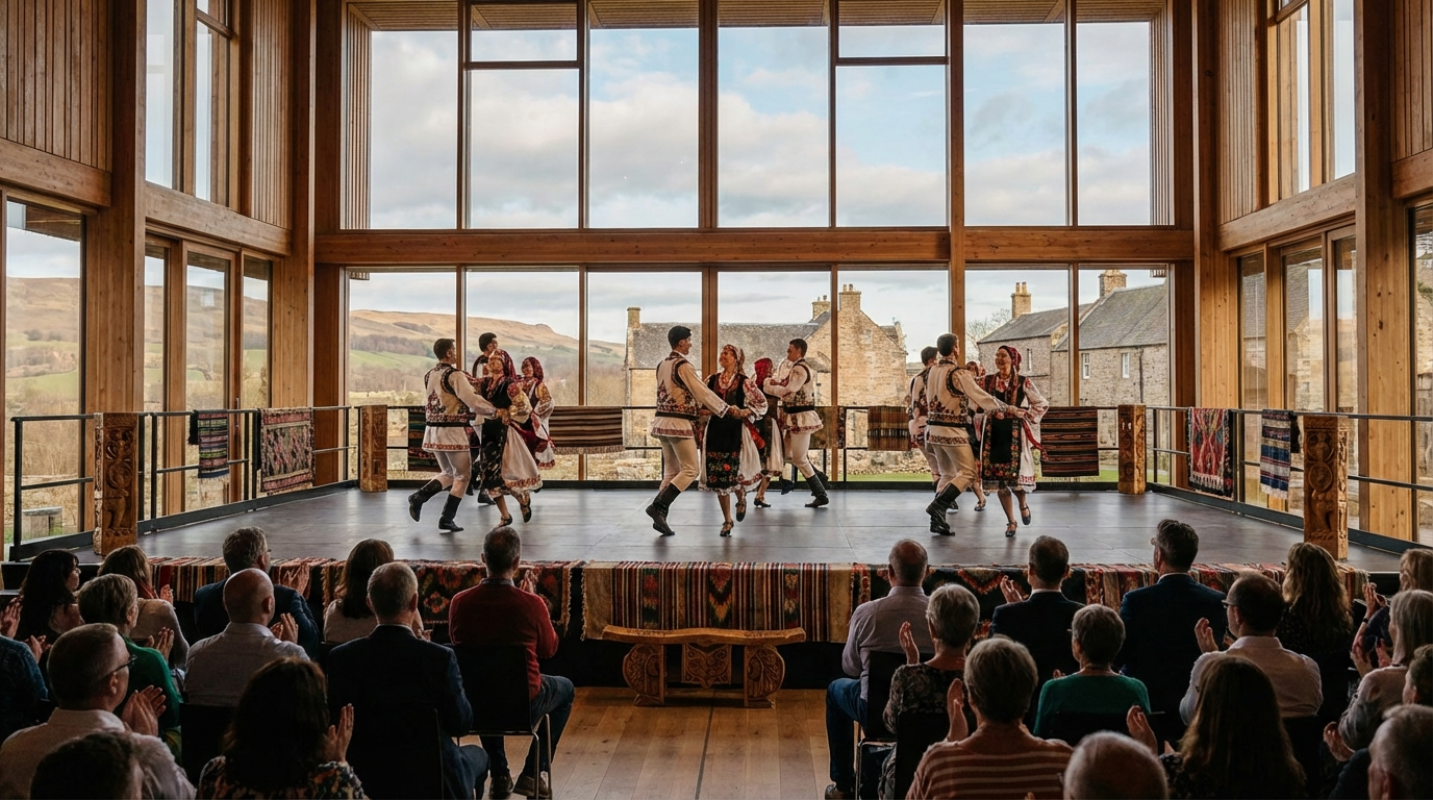
 (Image source: Gemini)
 Have you ever returned from a trip feeling like you only saw the surface of a place? You hit the major monuments, ate at the top-rated cafes, and took the standard photos, but you didn't actually feel the heartbeat of the culture. It happens to the best of us.
The modern traveler is moving away from that shallow style of sightseeing. We're looking for something more real. That's where cultural performance centers come in. These aren't just theaters or tourist traps. They're hubs where regional heritage is kept alive through dance, music, and storytelling.
Think of these centers as a shortcut to understanding a community's identity. By the time 2025 rolled around, the cultural tourism market hit a massive $1.2 trillion. People are clearly hungry for these experiences. In this guide, I'll walk you through why these venues matter, how to pick the good ones, and which ones you should put on your bucket list for your next big trip.
Criteria for a Genuine Cultural Experience
How do you tell the difference between a high-quality heritage center and a commercialized show designed just to part you from your cash? It's a common worry. You don't want a "Disney-fied" version of a sacred tradition.
First, look at who is running the show. A truly dedicated venue usually has deep ties to the local community. If the performers are locals who were trained in their craft by their elders, you're on the right track. Authenticity is often found in the details, like the materials used in costumes or the instruments played on stage.
Check the venue's involvement in preservation. Does the ticket price go back into a school for traditional arts? Is the center a non-profit? These are great indicators that the mission is heritage, not just profit.
You should also consider the audience experience. Although large-scale productions are impressive, smaller venues often allow for a more intimate connection. Don't be afraid to look for places that offer translations or programs in your language, but don't let a lack of English stop you. Sometimes, the most powerful performances are the ones where the emotion transcends the need for words.
Four Centers Redefining Heritage
If you're looking for the gold standard, these four locations are leading the way in how they present their history to the world. They manage to be accessible for visitors while staying incredibly respectful to their roots.
1. Te Puia (Rotorua, New Zealand)
This is a heavy hitter in the world of Māori culture. It isn't just a show, it's a massive complex that includes the New Zealand Māori Arts and Crafts Institute. You can watch students learn traditional wood carving and weaving before you head into the performance. The evening experience, known as Te Pō, costs between $130 and $160 USD and includes a traditional Hāngī buffet cooked using geothermal heat.¹ It's a full sensory immersion that feels earned, not manufactured.
2. Gyeongbokgung Palace (Seoul, South Korea)
For a royal experience, you can't beat this Joseon Dynasty palace. Although it's a historical site, it functions as a performance center through its "Starlight Night Tours." For about $45 USD, you get a royal dinner and traditional music in a setting that looks like a movie set.² If you want a budget-friendly option, general night admission is only about $2.25 USD. Plus, if you wear a traditional Hanbok, you get in for free. It's a brilliant way to get the public involved in the heritage.
3. Polynesian Cultural Center (Oahu, Hawaii)
This center covers a lot of ground by representing six different Pacific island nations. It's one of the larger operations you'll find, but it has a great heart. It's a major employer for students at BYU-Hawaii, providing scholarships for over 1,000 students from the Pacific Islands every year.³ The "HĀ: Breath of Life" show is a massive production, but the daytime village experiences are where you get to learn about specific traditions like Samoan fire-making or Tongan drumming.
4. Teatro Colón (Buenos Aires, Argentina)
If your taste runs more toward the neoclassical, this is your spot. It's consistently ranked as one of the best venues in the world for acoustics. Although it hosts international acts, its soul is in the Argentine symphonic music and ballet. They have their own training institute, so the talent you see on stage is often homegrown. Guided tours are around $22 USD, making it one of the more accessible high-end cultural stops in South America.
Enhancing Your Visit with Workshops and Exhibitions
Watching a performance is great, but getting your hands dirty is better. Many of the best centers now offer interactive workshops. Why just watch a weaver when you can try to handle the flax yourself?
These interactive elements bridge the gap between "them" and "you." When you try to hold a traditional instrument or learn a basic dance step, you realize the immense skill required for the professional show later that night. It turns you from a spectator into a participant.
Many performance centers also house mini-museums or galleries. These are often filled with artifacts that provide context for what you'll see on stage. Take the time to walk through these before the lights go down. Knowing the story behind a specific mask or the history of a certain rhythm makes the performance hit much harder.
Pro tip: look for "behind the scenes" tours. Some venues allow you to meet the performers or see the costume shops. It's a great way to ask questions and understand the daily life of someone dedicated to keeping their heritage alive.
Logistics for Visiting Cultural Venues
Planning a visit to these sites takes a little more effort than just showing up at a museum. For popular spots like Gyeongbokgung's night tours or Te Puia's evening feast, you need to book weeks, if not months, in advance. These are high-demand experiences because they have limited capacity to keep things intimate.
Transportation can also be a bit of a puzzle. Some heritage sites are located in remote areas to stay close to their ancestral lands. Check if the venue offers a shuttle or if you'll need to hire a local driver. It's all part of the adventure.
When you're at the venue, think about how you're spending your money. Most centers have gift shops, but look for the ones that sell items made by the artists you just saw on stage. Purchasing a hand-carved piece or a woven textile directly from the source make sures that your money stays in the local economy.
By 2025, average ticket prices for top-tier cultural tours hit around $135. It's an investment, but when you consider that many of these fees fund schools and community programs, it feels like money well spent. You're not just buying a ticket: you're helping a culture survive.
Taking the Culture Home
The best part about these experiences is that they don't end when the curtain calls. You'll find yourself thinking about the stories you heard or the rhythms you felt long after you've unpacked your suitcase. It changes the way you look at a region and its people.
Instead of just checking a destination off a list, you've gained a tiny bit of understanding about what makes that place unique. That's the real power of live heritage. It's a human connection that a guidebook simply can't replicate.
So, on your next trip, skip the generic tourist shows and look for a dedicated cultural performance center. Whether it's a Haka in New Zealand or a royal dinner in Seoul, these are the moments you'll actually remember. Go see it for yourself and then tell someone else about it. Word of mouth is the best way to keep these key centers growing.
Sources:
1. Te Puia Geothermal and Maori Culture Experience
.png)
.png)