 (Image source: Gemini)
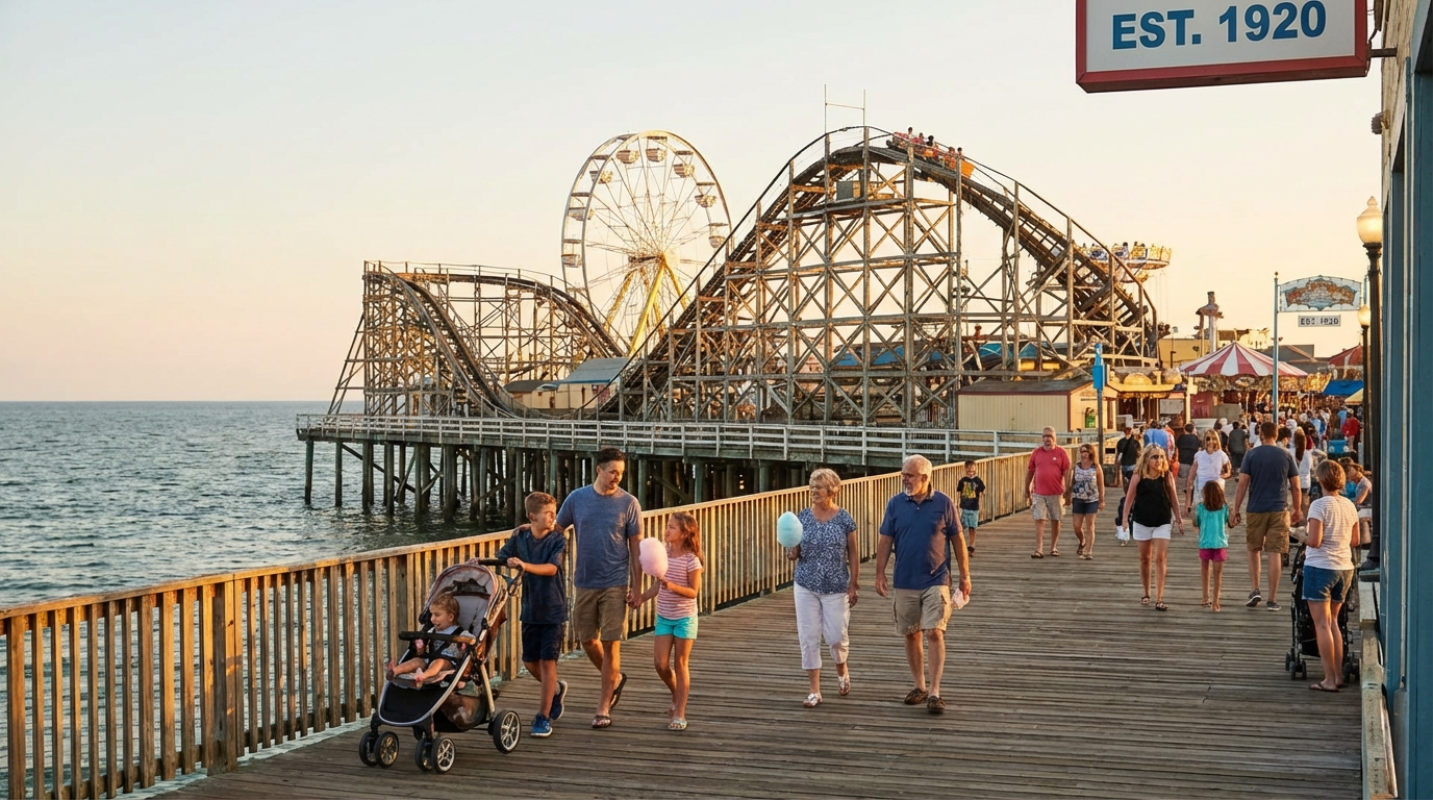
 You know that specific smell of fried dough and saltwater that hits you the moment you step out of your car near the coast? It is a sensory trigger that sends most of us straight back to being ten years old, clutching a paper ticket and staring up at a rickety wooden coaster. Waterfront amusement parks have been the backdrop of our summers for over a century, and they aren't going anywhere. Although modern corporate theme parks often feel like sterile, concrete mazes, these shoreline spots have a soul that is hard to manufacture.
They've survived hurricanes, economic downturns, and the rise of digital entertainment by offering something a screen simply cannot replicate. It is the feeling of the wind hitting your face as you crest a coaster hill with nothing but the blue horizon in front of you. Now that we are halfway through 2026, these parks are finding ways to stay relevant without losing that vintage magic. It is a delicate balance, but it is why your grandparents went there, why you go there, and why your kids will likely do the same. So what makes these places so resilient?
A Legacy Built on Waves
How did this whole waterfront obsession start? Think back to the late 1800s, when trolley companies were looking for ways to get people to use their lines on the weekends. They built "trolley parks" at the end of the tracks, usually by a lake or a beach, to give city dwellers a reason to travel. The water was the original air conditioning, providing a cool breeze that made the summer heat bearable before the invention of modern HVAC systems.
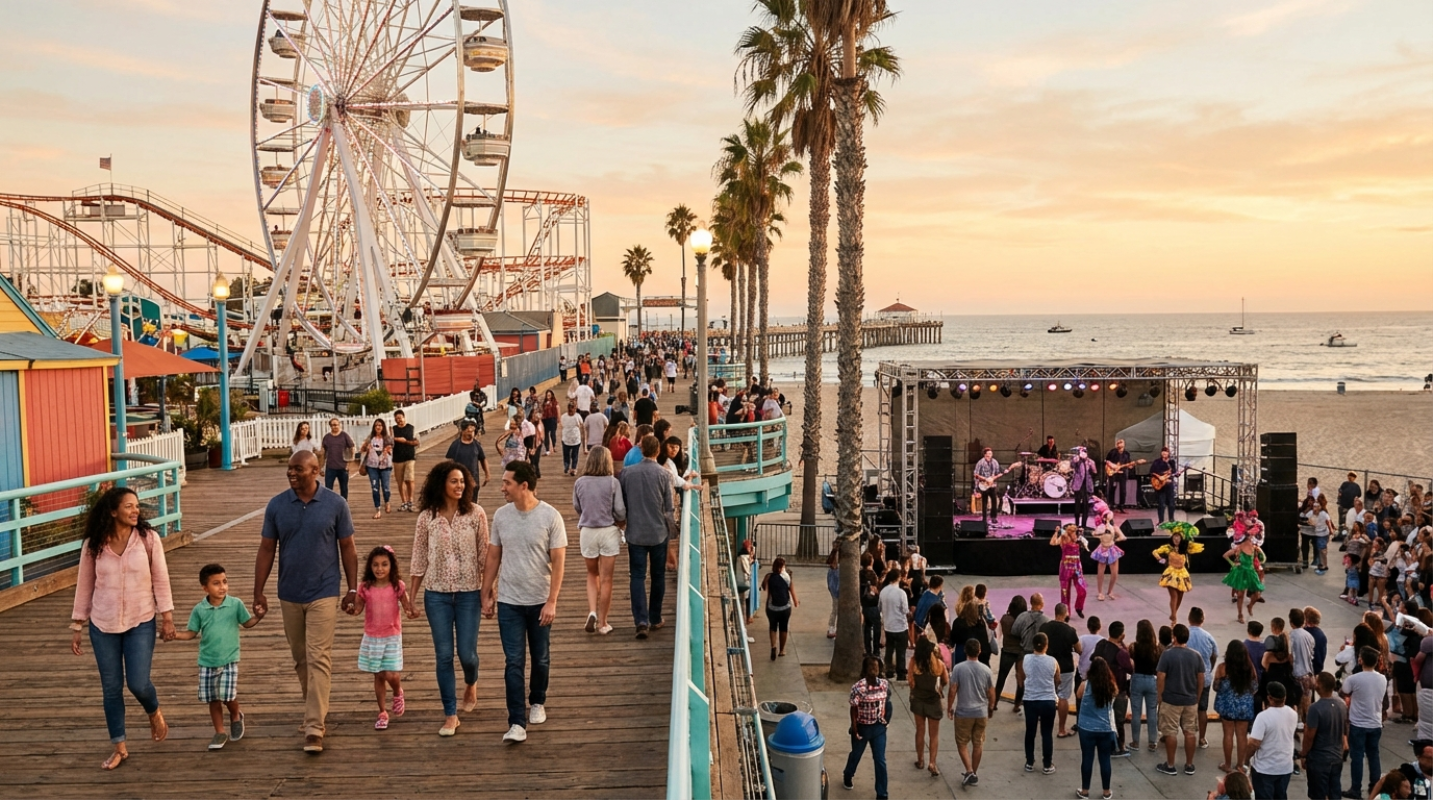
Today, that proximity to the water is still the biggest draw. It turns a simple trip to the rides into a full-blown vacation destination. You aren't just going for a coaster; you're going for the beach, the boardwalk, and the view. Of course, maintaining a park on the coast is a total nightmare. Saltwater eats through steel and wood like a termite at a buffet, requiring constant painting and part replacements. But the reward is a prime location that no developer could ever recreate today. These parks are grandfathered into some of the most valuable real estate on the planet.
The East Coast Icon
If you want to talk about staying power, you have to look at Cedar Point in Sandusky, Ohio. It has been around since 1870, which makes it older than the lightbulb. Although it is technically on a peninsula in Lake Erie, it perfectly captures that waterfront energy. They have managed to stay on top by being incredibly aggressive with their investments. A couple of years ago, they completely revamped "The Boardwalk" area to lean into their 19th-century roots, adding the Wild Mouse spinning coaster and a massive Grand Pavilion.
But they aren't just playing the nostalgia card. They also introduced Top Thrill 2, which is a monster of a ride. It is the world's tallest and fastest triple-launch coaster, reaching speeds of 120 mph. It replaced an older, less reliable hydraulic system with high-tech magnets, and after its initial debut in 2024, it has become the park's crown jewel. Visitors love it because they get the charm of the lakeside pier with the thrills of a modern space program. It is the perfect example of taking a classic skyline and giving it a high-tech heart.
The Lakeside Gem
You don't always need record-breaking height to be a classic. Take Lake Compounce in Connecticut, which is the oldest continuously operating park in the country (it started in 1846). It is built into the side of a mountain right next to a lake, and it feels like a community park that just happens to have world-class rides. Their wooden coaster, Boulder Dash, is a legend because it uses the natural terrain instead of just sitting on a flat lot.
Over on the West Coast, the Santa Cruz Beach Boardwalk is doing something similar. They just celebrated the 100th anniversary of their Giant Dipper coaster a few years back, and it still draws massive crowds. These parks succeed because they focus on the family experience. You will often see three generations of a family walking the boards together. The grandparents point out where they had their first date, the parents remember their first "big" coaster, and the kids are just excited about the new Dream Wheel. It is a cycle of joy that keeps the turnstiles spinning.
Top Recommendations
If you are looking to plan a trip to one of these legacy spots, here are a few that are currently at the top of their game.
- Cedar Point (Sandusky, OH) - Known as the roller coaster capital, it offers a perfect mix of historic charm and world-class thrills on the shores of Lake Erie.
- Santa Cruz Beach Boardwalk (Santa Cruz, CA) - An admission-free boardwalk that features the iconic Giant Dipper and some of the best ocean views in the country.
- Luna Park at Coney Island (Brooklyn, NY) - The birthplace of the modern amusement park, now featuring high-tech additions like the Electric Eden Raceway.
- Morey’s Piers (Wildwood, NJ) - A massive collection of three piers that offers an authentic Jersey Shore vibe with a huge variety of rides and water parks.
Modernizing the Classics for a New Era
What does a park look like in 2026? It is a lot greener than it used to be. Waterfront parks are uniquely vulnerable to climate change, so they are leading the charge on sustainability. Luna Park in Brooklyn launched an electric go-kart track called Electric Eden Raceway, which is a huge shift for a place once known for gas fumes and old-school grit. Similarly, the Santa Cruz Beach Boardwalk now reclaims about one million gallons of water every year for its landscaping.¹
We are also seeing a major shift in how you actually spend your day. Most of these parks have moved toward digital queuing and mobile food ordering. No one wants to stand in a two-hour line in the blistering sun anymore. If you're planning a visit, my best advice is to go on a Tuesday or Wednesday. The crowds are thinner, the lines are shorter, and the sunset views over the water are much easier to enjoy without someone's sticky cotton candy hitting your sleeve.
More Than Just Rides
At the end of the day, these parks are more than just a collection of steel and wood. They are living history books that you can actually ride. Whether it is the Jersey Shore or the California coast, these spots offer a sense of continuity in a world that often feels like it is changing way too fast. They remind us that some things, like the thrill of a big drop or the taste of a boardwalk fry, are universal.
If you're looking for a trip that everyone from age five to eighty-five will actually enjoy, look toward the water. You really cannot beat the classics. These parks have survived for generations for a reason, and after a day spent by the waves, you'll understand why they are still the heart of the American summer.
Sources:
.png)
.png)