 (Image source: Gemini)
 If you still think a great craft brewery meal means a basket of chili cheese fries and a mediocre house IPA, you’re living in the past. The world of beer dining has undergone a radical transformation. What started as simple pub grub designed to soak up alcohol has evolved into a sophisticated culinary experience, complete with high-caliber chefs, specialized menus, and a deep focus on flavor harmony. This isn't just food with beer; it's food designed for beer.
The best breweries today aren't just brewing world-class liquids; they are curating complete dining experiences. Think of it like this: the brewery kitchen is now treated with the same seriousness as the brewhouse itself. That shift has created incredible culinary hot spots where the integration of beer and food is the main event.
We aren't talking about every city with a few good breweries. We're focusing on the places that have truly mastered the art of harmonious integration, where the city’s unique culinary identity informs the pairing philosophy. We’re going on a tour of the cities that set the standard for beer cuisine in 2026.
Portland, Oregon's Innovative Pairings
Portland, Oregon, has long been synonymous with craft beer density. But what makes it a pairing powerhouse isn't just the quantity of breweries; it's their unwavering focus on hyper-local sourcing and culinary collaboration. They treat the brewery menu as a living document, constantly adjusting to seasonal ingredients and experimental brews.
Portland brewers understand that their hoppy, resinous IPAs need bold, contrasting flavors to truly shine. You’ll often see complex, spicy dishes on the menu that stand up to the bitterness, rather than shrinking away from it. Conversely, their rich, dark stouts and porters are frequently paired with smoked meats or decadent desserts, using the complementary principle to deepen those savory, caramelized notes.
The city’s dedication to this high-level dining experience is formalized. Portland hosts an annual Brewery Dining Month, where local breweries offer multi-course meals at fixed prices, signaling their focus on providing a complete dining experience. This fusion of brewing and culinary talent is exemplified by collaborations like the one between award-winning brewmaster Whitney Burnside and Top Chef competitor Doug Adams at Grand Fir Brewing.¹
You might find Grand Fir serving up a hearty Frito Pie featuring smoked elk paired perfectly with their Tack Shack East Texas Lager. It’s elevated comfort food, designed to show how the clean, crisp lager cuts through the richness of the smoky dish. In Portland, the chef and the brewer are equal partners in flavor creation.
Denver and San Diego's Diverse Offerings
Moving east and then south, Denver and San Diego offer fascinating case studies in regional pairing philosophies. They both represent Western hubs, but their approaches to beer cuisine couldn't be more different, largely dictated by climate and local food culture.
Mile-High Pairing in Denver
Denver’s high-altitude climate naturally influences its brewing. The city excels at producing strong, malt-forward lagers and darker ales that hold up beautifully in the thin air. This often translates into pairing menus that favor hearty, comforting cuisine. Think game meats, complex stews, and high-quality sausages.
Denver’s pairing philosophy often leans toward the complementary. A strong German-style Doppelbock finds its match in a deeply caramelized onion soup or a slow-cooked brisket. The malt sweetness of the beer improves the Maillard reaction flavors in the food, creating a warm, satisfying teamwork. Although the food scene is rapidly diversifying, the core strength remains pairing traditional mountain-town comfort food with exceptionally clean, high-gravity brews.
San Diego’s Coastal Fusion
San Diego is the spiritual home of the West Coast IPA, but its culinary pairing genius lies in its proximity to the Mexican border and the Pacific Rim. This is where you find the most exciting fusion menus in brewery settings.
Here, the focus shifts to contrasting flavors, particularly with the city’s increasingly popular sour and wild ales. A tart, funky Gose or Berliner Weisse is the ideal foil for the bright, spicy, and acidic notes found in high-end tacos, ceviche, or even Korean barbecue. The acidity of the beer acts like a squeeze of lime, cleansing the palate and preparing you for the next bite. The goal is refreshment and sharp contrast, rather than deep complement. It's a sunny, aggressive approach to pairing that mirrors the city’s energetic atmosphere.
Chicago and Asheville
Although the coasts often steal the spotlight, two inland cities are proving that world-class beer pairing isn't a coastal exclusive: Chicago and Asheville.
Chicago's Elevated Comfort
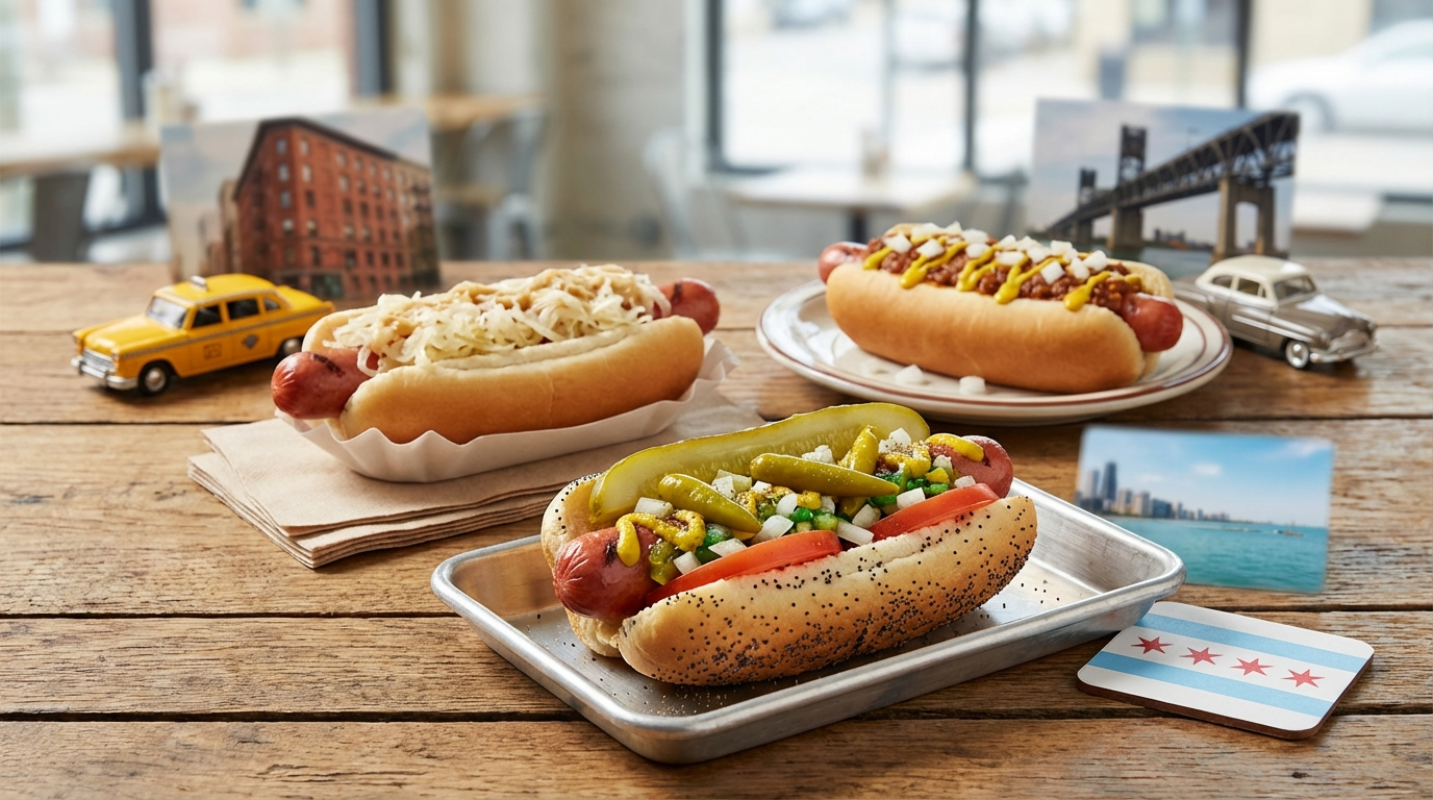
Chicago’s brewing scene has matured far beyond its initial focus on massive, high-ABV stouts. Today, the city’s world-class brewing programs are influencing how traditional Midwestern fare is served. Sure, you can still grab a phenomenal deep-dish pizza, but now you’ll find it paired thoughtfully with a crisp, slightly bitter Pale Ale designed to cut through the rich cheese and tomato sauce.
The city’s barbecue scene is equally elevated. Breweries often partner with top local pitmasters, serving smoked meats that demand a beer with structure. A traditional Smoked Brisket might be matched with a Vienna Lager, where the subtle caramel notes improve the bark of the meat without a lot of its smokiness. Chicago is proving that comfort food, when treated with respect and paired intentionally, can be just as sophisticated as fine dining.
Asheville's Appalachian Terroir
Asheville, North Carolina, has earned its nickname "Beer City USA" thanks to its staggering density of breweries. But what elevates Asheville to a culinary destination is its unwavering farm-to-table ethos, which translates directly to brewery menus. Breweries here treat their kitchens like extensions of the local space, emphasizing "Asheville terroir" in every dish.
Take Burial Beer Co., like. They are widely acclaimed for their unique and complex dishes that use local ingredients. You won’t just find standard burgers; you might encounter a Trout Katsu Sandwich, featuring local trout, spicy mayo, tangy kimchee, kohlrabi, and cilantro.² This complex, layered dish requires a beer that can handle acidity, spice, and richness all at once, often paired successfully with one of their hazy IPAs or fruited sours.
Another local favorite, Salt Face Mule Brewing Co., focuses on Southern-inspired dishes like Smoked Brisket Wontons and Shrimp and Grits.³ These menus aren't afterthoughts; they are designed to anchor the brewery as a complete dining spot, making Asheville a required stop for anyone serious about beer cuisine.
Techniques and Trends in Flavor
So, what are the fundamental techniques these top cities are using that you can replicate at home? It really boils down to two core principles: complementary and contrasting.
Complementary Pairing is when the beer and food share similar flavor profiles. Think pairing a rich, chocolatey stout with a flourless chocolate cake. The beer’s roasted malt notes deepen and improve the cocoa flavors in the dessert.
Contrasting Pairing is when the beer and food actively oppose each other to create balance. This is the classic rule-breaker that works wonders. Like, in Montreal, a traditional pairing involves cutting through the heavy richness of Poutine (fries, cheese curds, and gravy) with the crisp, slightly bitter finish of a Pale Ale. The bitterness and carbonation act as a palate cleanser, making the next bite of rich food taste fresh again.
Beer Pairing
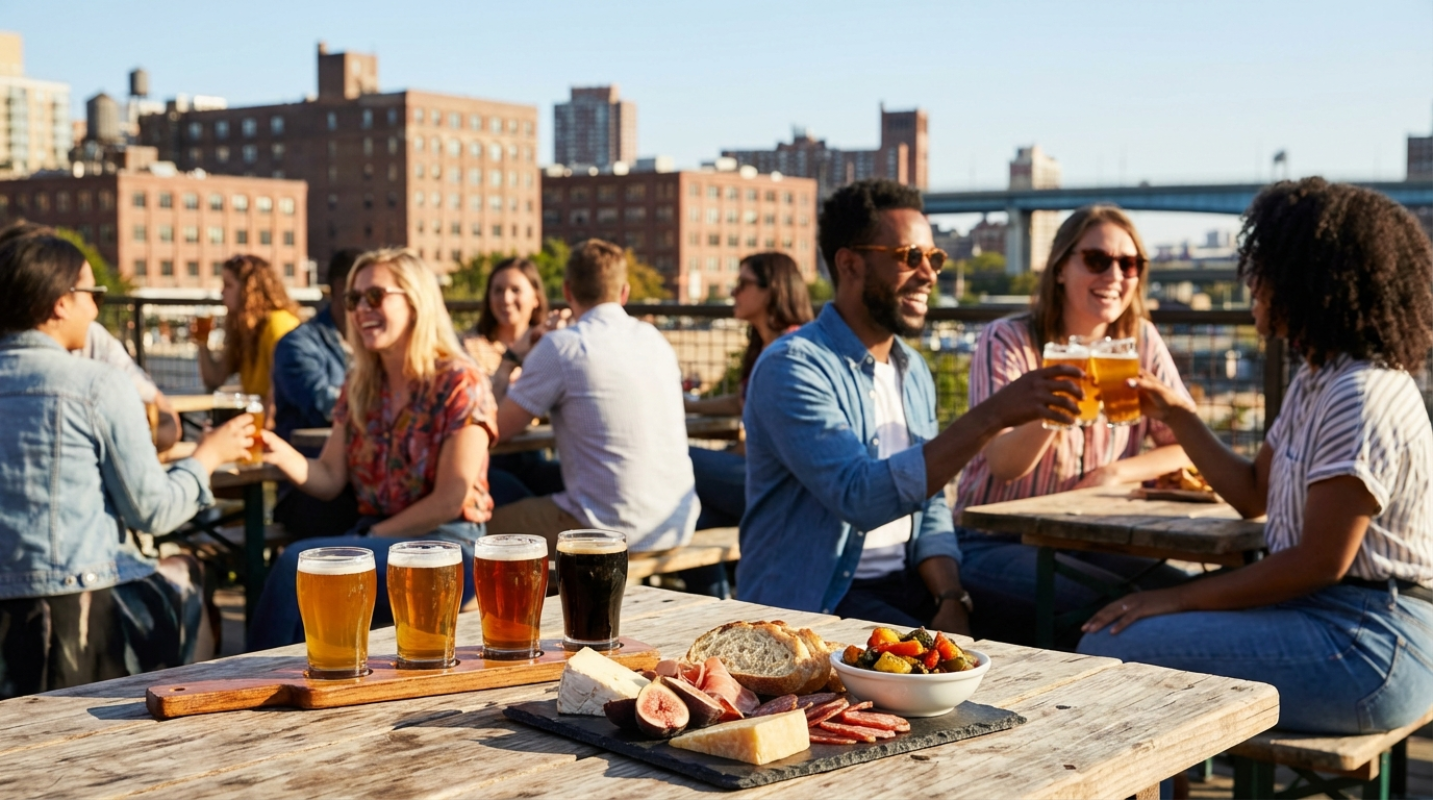
As we look toward the future, the world of beer cuisine continues to integrate fermentation science. We’re seeing a rise in specialized pairings involving mixed-fermentation beers and barrel-aged projects. The boundary between beer and wine is blurring, with many breweries offering complex, acidic beers that function beautifully alongside cheeses and charcuterie.
We’re also seeing the rise of non-alcoholic pairings. High-quality non-alcoholic beers, which maintain true flavor profiles without the effects of alcohol, are being intentionally paired with lighter dishes, proving that the flavor match, not the buzz, is the important element.
The lesson from these leading cities is clear: Don't settle for mediocre food with great beer. Seek out the chefs and brewers who treat the pairing as an art form. You don't need a high-end restaurant to experience true beer cuisine; you just need a city that cares about flavor teamwork.
Top Recommendations for Beer Pairing Destinations
- Portland, OR, Look for breweries participating in the annual Brewery Dining Month. Seek out pairings of hoppy IPAs with complex, spicy street food.
- Asheville, NC, Prioritize destinations that emphasize local Appalachian terroir. Try pairing Southern-inspired dishes like Smoked Brisket Wontons with local Brown Ales.
- San Diego, CA, Explore breweries specializing in sour and wild ales. These are perfect partners for acidic, bright Mexican or Pacific Rim cuisine.
Sources: