 (Image source: Gemini)
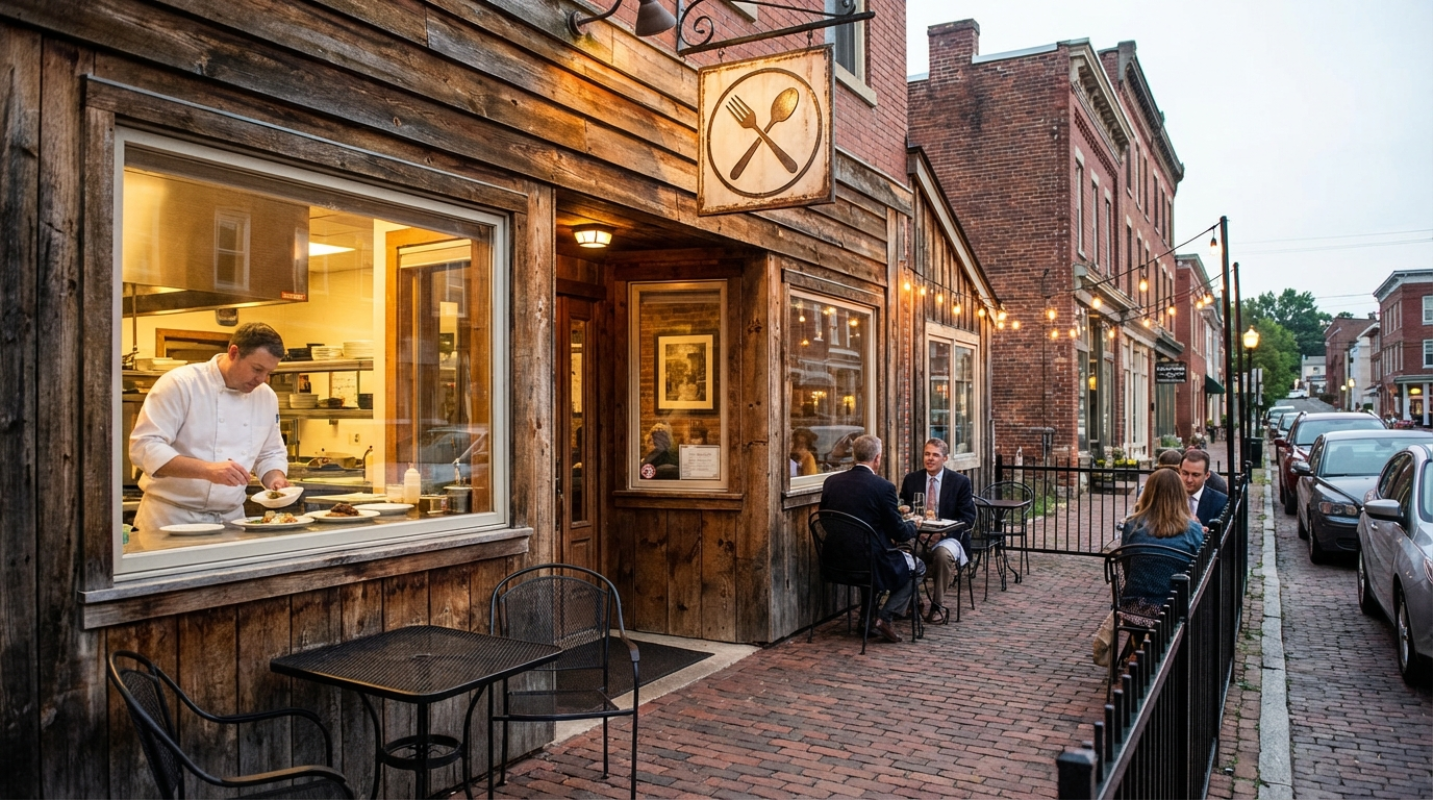
 For decades, the narrative of fine dining was simple: If you wanted a meal worthy of national attention, you went to New York, Chicago, or Los Angeles. That’s where the money, the critics, and the talent were supposed to be. But if you’ve been paying attention lately, you’ll know that the story is stale. It’s time to challenge the urban-centric bias of gastronomy.
The real culinary revolution isn’t happening beneath skyscrapers; it’s unfolding in places you need a map, not a subway token, to find.
We are witnessing a great culinary migration, driven by chefs who crave authenticity, affordability, and a direct connection to the land. This shift has transformed sleepy regional hubs and remote resort towns into destination dining epicenters. Your next unforgettable meal might just be in a town with one stoplight.
This article explores how specific small towns are attracting national gastronomic attention. We’re going to define "nationally recognized" by the metrics that matter most: James Beard Foundation nominations, Michelin Guide inclusion, and the kind of important acclaim that forces international travelers to book a flight. These aren't just great local restaurants; they are culinary gems redefining rural dining excellence.
The Anatomy of Recognition
So what does it actually take for a tiny restaurant in, say, Alna, Maine, or Caldwell, Idaho, to show up on the national radar? It takes more than just good food; it requires vision, execution, and, importantly, recognition from institutions that traditionally favored metropolitan areas.
The standards for elevation remain the James Beard Awards and the Michelin Guide. These organizations actively seek excellence far beyond the major hubs. The 2024 and 2025 James Beard lists, like, are rife with winners who have redefined their regional categories from unconventional locations. Matt Vawter, the 2024 Best Chef: Mountain winner, runs Rootstalk in Breckenridge, Colorado, a town known more for skiing than for high-concept dining. Likewise, Ana Liz Pulido, a 2024 winner, operates Ana Liz Taqueria in Mission, Texas, demonstrating that world-class cuisine is rooted in dedication, not demographics.¹
The Power of Terroir and the Short Supply Chain
The secret weapon of the small-town restaurant is terroir, the taste of place. When you operate in a non-metropolitan area, your supply chain shortens drastically. You’re not sourcing ingredients from a massive distribution center; you’re working directly with the local farmer, the fisherman, or the forager.
This focus on ultra-short supply chains allows chefs to prioritize ingredient exclusivity. Many recognized establishments now source from over 20 local farms, often operating zero-waste kitchens that use every vegetable trimming for compost or preservation. This level of focus on sustainability and locality creates a flavor profile, an authenticity, that a city restaurant simply cannot replicate. The best chefs aren't just cooking well; they're telling a story about the land they occupy.
Towns Leading the Charge
The success of these restaurants proves that location is secondary to quality. We aren’t talking about suburbs; we’re talking about true destination dining spots that require planning and focus on visit.
Look at the James Beard results, and you’ll notice a road map of culinary innovation. In the Northeast, David Standridge’s The Shipwright's Daughter in Mystic, Connecticut, is a 2024 winner, celebrated for elevating coastal New England cuisine. Out west, the 2025 Best Chef: Northwest and Pacific winner, Timothy Wastell, operates Antica Terra in Amity, Oregon, a town with a population barely over 1,500. These places are successful because they take hyper-regional food and execute it flawlessly.
The Economic Multiplier Effect
The impact of these nationally recognized eateries goes far beyond the plate. They become the primary drivers of tourism, providing an important economic boost to their communities. This is the "destination dining" effect.
When a restaurant like Vestige in Ocean Springs, Mississippi (a 2024 Outstanding Restaurant nominee), attracts diners from across the country, those visitors need lodging, gas, coffee, and local shopping. This initial tourist spending generates a significant multiplier effect. Like, if a tourist spends $100 on a meal, that initial income can generate up to $150 total income throughout the local economy due to subsequent rounds of spending. This mechanism transforms the restaurant into a important hub of social cohesion and economic health for the small town.
Even the notoriously selective Michelin Guide is decentralizing its focus. Although typically focused on major cities, the guide’s 2024 expansion into the American South included Spring in Marietta Square, Georgia, which earned a One-Star rating. This was the first restaurant outside the Atlanta perimeter to achieve the honor, signaling a formal recognition that culinary excellence is no longer bound by metropolitan geography.²
Top Recommendations
If you're planning a pilgrimage based on national culinary recognition, here are a few spots that continually draw the critics’ attention
- Breckenridge, CO, Rootstalk (James Beard Winner)
- Mission, TX, Ana Liz Taqueria (James Beard Winner)
- Ocean Springs, MS, Vestige (James Beard Nominee)
- Marietta, GA, Spring (Michelin One-Star)
- Elk, CA, Harbor House Inn (James Beard Outstanding Hospitality Semifinalist)
Understanding the Challenges of Destination Dining in Small Markets
It’s easy to romanticize the idea of running a world-class restaurant in a charming, quiet town, but the reality is complex. Operating a destination restaurant outside a major metropolitan area comes with unique logistical hurdles that city chefs never face.
Staffing is the most immediate concern. You can’t simply post an ad for a pastry chef and expect qualified applicants to appear overnight. You have to convince specialized talent to move to a place like Waitsburg, Washington, or Alna, Maine. This often requires the restaurant to act as a community developer, assisting with housing and integration.
Supply chain reliability is also a challenge. Although these restaurants benefit from hyper-local sourcing for their main ingredients, getting specialized equipment repaired or finding reliable, high-volume dry goods can be difficult. A major appliance breakdown in a small town means days of downtime waiting for a technician who has to drive hundreds of miles.
The final hurdle is managing success sustainably. When a place like Convenience West in Marfa, Texas, earns an Outstanding Restaurant nomination, demand skyrockets. Reservations become scarce, and the small town is suddenly inundated with international tourists. The challenge is balancing the expectations of high-end metropolitan service with the need to maintain the local, authentic charm that made the restaurant famous in the first place. You have to prioritize long-term viability and community integration over short-term revenue spikes.
.png)