.png) (Image source: Gemini)
(Image source: Gemini) When the city lights dim, the true culinary character of a metropolis often comes alive. This isn't just about grabbing a slice of pizza because you missed dinner. Late-night dining is a cultural touchstone, a social nexus where shift workers, club-goers, travelers, and insomniacs converge. It’s where formality evaporates and the most authentic, soul-satisfying dishes appear.
Think about it: What makes a city truly 24-hour? It’s not the financial markets or the government buildings. It’s the ability to find a hot meal at 3 AM that doesn’t come out of a vending machine.
The best late-night food cultures are defined by three elements: accessibility, diversity, and tradition. They must be easy to find, offer a range of options beyond fast food, and possess a deep-seated cultural acceptance of eating at odd hours. We’re going to explore the global powerhouses that have mastered the graveyard shift menu, from the bustling street corners of Southeast Asia to the classic diners of North America, analyzing the trends and challenges shaping these nocturnal markets in 2026.
Tradition, Density, and 24/7 Energy
Asia, with its dense populations and historical focus on street life, is arguably the global champion of after-dark gastronomy.
Tokyo, Japan, The Ritual of the Final Bowl
In Tokyo, late-night eating is often a ritual tied to work and socialization. If you’ve spent an evening at an izakaya (a Japanese pub), you know the night isn't truly over until you’ve had your shime no ramen, or "closing ramen." This final, heavy, savory bowl is a cultural necessity, a soothing counterbalance to alcohol.
Although the city is famous for its 24/7 accessibility, high-quality, independent restaurants often close relatively early, frequently between 10:00 PM and 11:30 PM. This means that after midnight, the scene shifts to smaller, highly specialized joints or well-known chains. Key late-night districts like Shinjuku’s Golden Gai or Omoide Yokocho are packed with tiny bars and ramen stalls. If you're looking for a trending late-night bite, look toward yakitori (Japanese skewers), which offer an immersive, open-flame grilling experience perfect for a small, frequent order.
The biggest logistical hurdle? The last train typically wraps up around midnight.⁴ If you miss it, you’re committed to an all-nighter or a pricey taxi ride, which only reinforces the need for late-night food options to sustain the dedicated reveler.
Bangkok, Thailand, Street Food Under Scrutiny
Bangkok’s reputation as a late-night food paradise is legendary. The city was recently named the world's Second-Best Food City for 2025, praised specifically for the convenience of accessing high-quality food at any hour.⁷ Yaowarat, Bangkok's Chinatown, is the perfect post-midnight stop, known for dishes like Guay Jab (rolled rice noodle soup) and late-night porridge.
But the scene is changing rapidly. The Bangkok Metropolitan Administration (BMA) has been pushing for "organized street food." This includes developing Singapore-style Hawker Centres, like the Lumpini Hawker Centre slated to open by early 2026, which are designed to move vendors off traditional sidewalks.⁸ This regulation, while perhaps improving hygiene and traffic flow, risks sanitizing the very chaos and spontaneity that made Bangkok's street food culture so globally beloved.
Despite these changes, new hotspots continue to emerge. Bantadthong Road, like, has earned recognition as the world's 14th-best street for food, proving that the city's culinary energy is simply shifting its geography rather than disappearing.⁷
North American Pillars: Diversity, Drive-Thrus, and Diner Culture
North American late-night scenes are sustained less by walking density and more by sheer cultural diversity, car infrastructure, and the massive scale of the service industry.
New York City, USA, The All-Nighter Institution
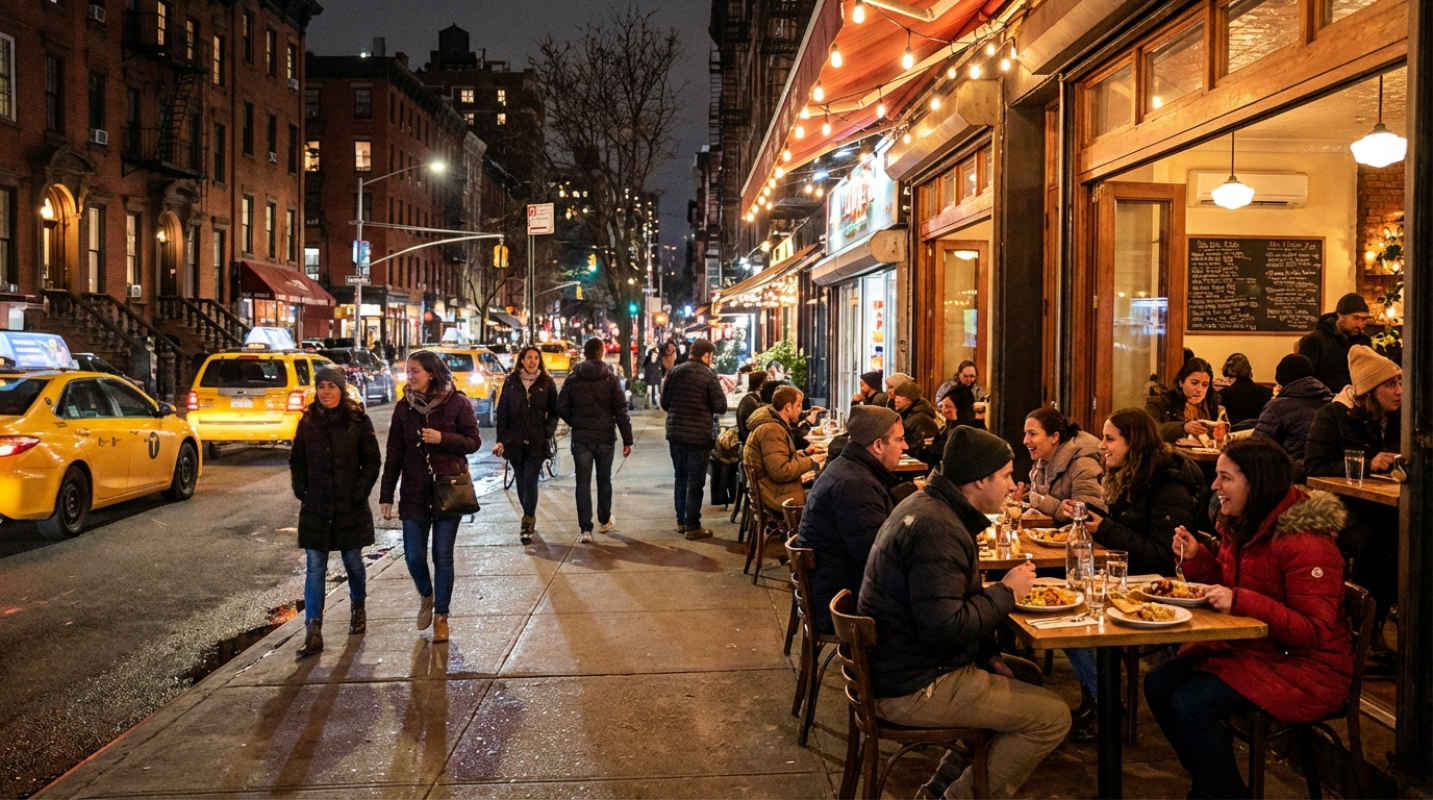
New York City’s late-night identity is defined by the 24-hour diner, the simple pizza slice, and the ubiquitous street cart. These aren’t necessarily glamorous meals, but they are reliable, affordable, and strongly tied in the city's identity.
The economics of late-night dining are important here. Late-night sales in Limited-Service Restaurants (LSRs) are a standout growth story, climbing over 10% annually since 2021.² For consumers, securing a late-night slot is even becoming an approach to get a reservation at high-demand venues.
But running a 24/7 operation in NYC faces intense financial pressure in 2026. Labor shortages and rising costs are forcing operators to make tough decisions on staffing levels, and 34% of operators report rising food and inventory costs as their biggest source of strain.⁹ Even so, the classic Halal carts, serving that iconic chicken and rice, and the surging popularity of specialized regional Asian cuisines, like authentic yakitori, make sure the streets never truly sleep.⁶
Los Angeles, USA, Truck Culture and Shift Workers
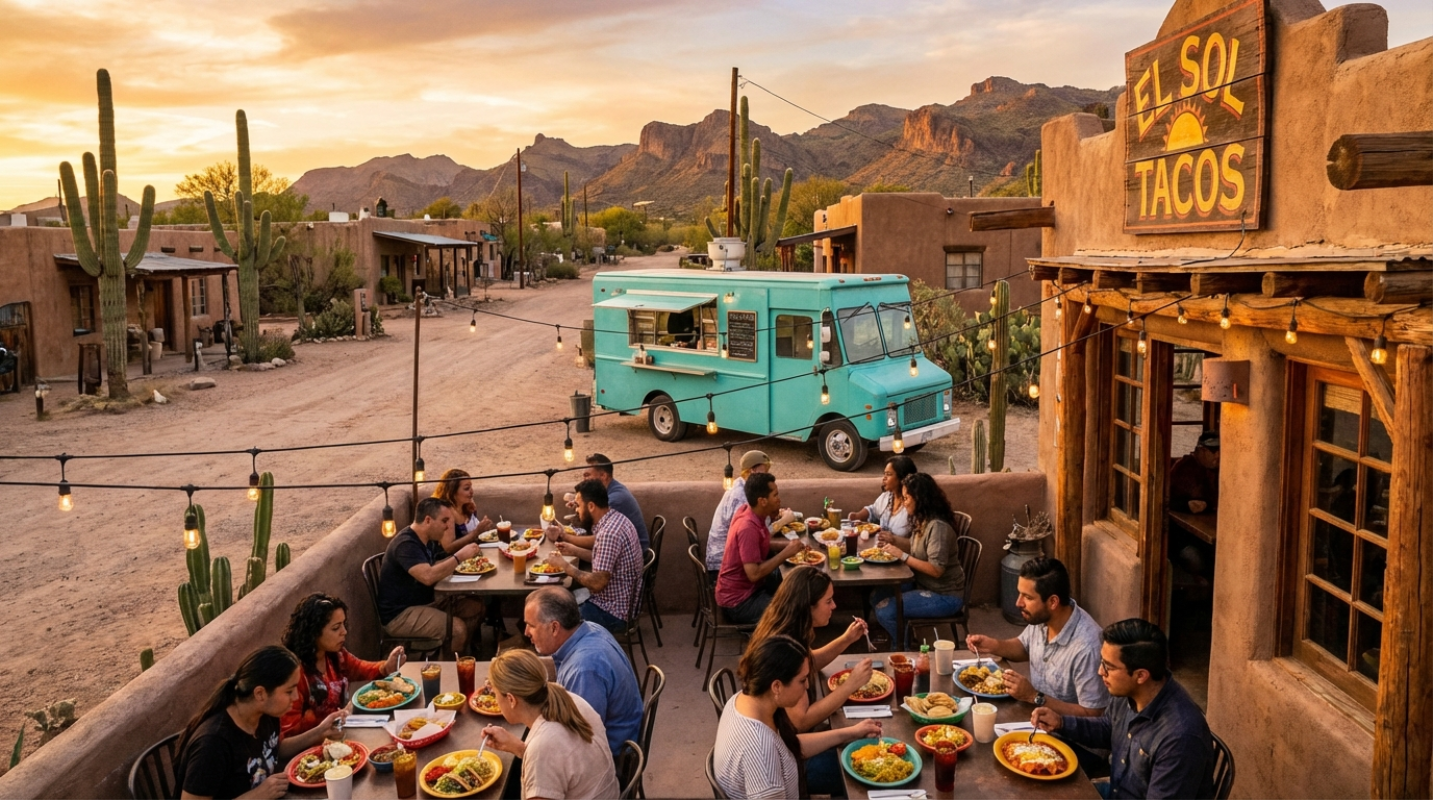
Los Angeles is the North American capital of vehicle-based late-night eating. Forget the diner; here, the taco truck is king. These mobile kitchens cater expertly to the city’s vast network of shift workers, from hospital staff to factory employees, who rely on accessible, high-quality food long after most kitchens have closed.
Beyond the Mexican food scene, LA’s diversity shines through its 24-hour Korean BBQ joints and specialized late-night coffee spots. Importantly, the rise of delivery apps and ghost kitchens has cemented the market. Orders placed between midnight and 5 AM were up 44% year-over-year in a recent report, showing that modern technology has made eating on your own schedule easier than ever before.¹
European Hubs: Late Dinners and Social Nightlife Integration
Europe approaches late-night food differently. Outside of clubbing centers, the focus isn't necessarily 24/7 availability but rather a traditionally late dining rhythm that extends hours well past what North Americans consider "dinner."
Berlin, Germany, Club Fuel and Cultural Staples
Berlin’s late-night scene is inextricably linked to its legendary club culture. If you’ve spent 12 hours dancing, you need fuel, and Berlin provides it in the form of portable, hearty sustenance.
The late-night favorites are iconic: the Currywurst (sausage smothered in curried ketchup) and the Döner Kebab. The döner, a Turkish immigrant staple, has become a late-night institution, but even this iconic dish is subject to regulatory discussions in 2025 regarding ingredient standardization.
The city’s gastronomy is diversifying, with trends like "All-Day Brunch" being served until 11 PM and clubs adapting to economic pressures by diversifying their revenue streams, selling food and gourmet coffee alongside music. This blend of traditional, quick street food and modern, all-day dining keeps Berlin running around the clock.
Madrid, Spain, A Defense of the Nocturnal Rhythm
Madrid doesn't offer late-night food as an exception; it offers it as the norm. Dinner typically doesn't start until 9 PM and often extends past midnight.¹⁰ The Spanish rhythm dictates sleepless streets, midnight tapas, and a life lived out loud.
You'll find classic late-night fare like churros dipped in thick hot chocolate at dawn, or simple bocadillos (sandwiches) and jamón in taverns that stay open until the early hours.
This traditional schedule, but became the subject of political debate in 2024. Spain's Labour Minister criticized keeping restaurants open until 1 AM as "madness," citing the mental health risks of night shifts. This sparked fierce opposition from the regional Madrid government, which defended the late schedule as a key tourist draw and a symbol of "life and freedom"¹⁰ - a powerful reminder that late-night dining is not just commerce, but cultural identity.
After-Dark Eats: Sustaining the Rhythm
The greatest challenge facing these iconic late-night cultures is the economics of staying open. Rising labor costs, staff shortages, and increasing inventory prices are eroding the slim margins that sustained the 24-hour model for decades.
Yet, the demand is only growing. The consumer focus on value remains strong, leading to sectors like Mexican Limited-Service Restaurants seeing high growth because they are perceived as offering better bang for the buck.
The future of after-dark eating is increasingly digital. Although the physical street cart or diner will never vanish, delivery platforms and ghost kitchens matter players in extending the culinary reach. Ghost kitchens allow established brands to serve late-night menus in areas where a full, staffed restaurant wouldn’t be profitable. It’s the digital equivalent of multiplying your taco trucks without needing the trucks themselves. This technology make sures that even as traditional 24-hour operations struggle with labor, the consumer’s desire for late-night quality can still be met.
Emerging cities like Seoul and Mexico City are already expanding their nocturnal offerings, but the established titans - Tokyo, NYC, and Bangkok - will continue to set the standard, driven by a deep, cultural need to eat well, no matter the hour.
Recommendations for the Night Owl Diner
If you’re planning your next nocturnal gastronomic adventure, here are the non-negotiable stops.
- Tokyo (Shinjuku), Shime no Ramen (Closing Ramen): Seek out a small, often standing-only, ramen stall in the Omoide Yokocho alleyway around 1 AM.
- Bangkok (Yaowarat), Rolled Rice Noodle Soup (Guay Jab): Find a bustling street vendor in Chinatown after 10 PM for this peppery, comforting dish.
- New York City (Midtown), Halal Cart Chicken and Rice: The classic combo served from a street cart. Look for the longest line; it’s usually the best.
- Berlin (Kreuzberg), Döner Kebab: Needed, massive, and satisfying post-club fuel.
- Madrid (Anywhere), Churros and Chocolate: The traditional pre-dawn breakfast, usually consumed after leaving the bars.
What unites these disparate global cities is the fact that their late-night food culture is far more than just quick service. It’s a reflection of their urban identity.