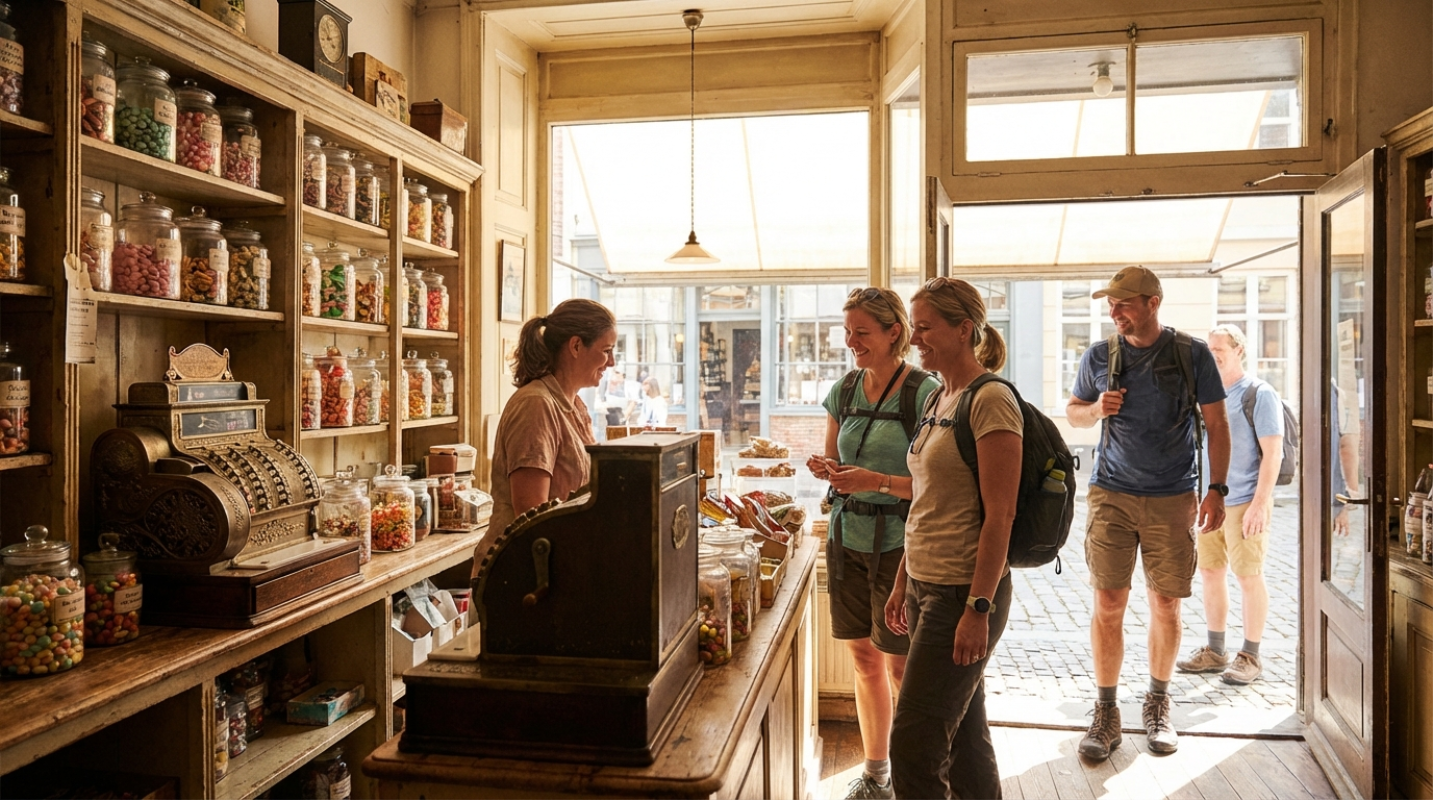
 (Image source: Gemini)
 If you’ve ever walked into a small, old-fashioned candy shop, you know the feeling. It’s a powerful, immediate hit of nostalgia, a sweet, warm scent that smells exactly like your childhood - even if you’ve never been there before.
These places aren’t just stores selling sugar; they are time capsules. They are cultural touchstones that preserve history through recipes and techniques that predate the assembly line. For modern travelers, historic candy shops are no longer just cute roadside stops; they've become needed destinations, offering authentic, local experiences that mass-produced retail simply can’t match.
We’re talking about high-quality, artisanal confectionery that tells a story, blending the createsmanship of the past with the demands of 21st-century tourism. You’re not just buying a chocolate bar; you’re investing in a sweet piece of American heritage.
The Createsmanship Behind the Centuries
What exactly makes a historic sweet shop different from the chain store at the mall? The answer lies in labor, tradition, and a deep reverence for ingredients.
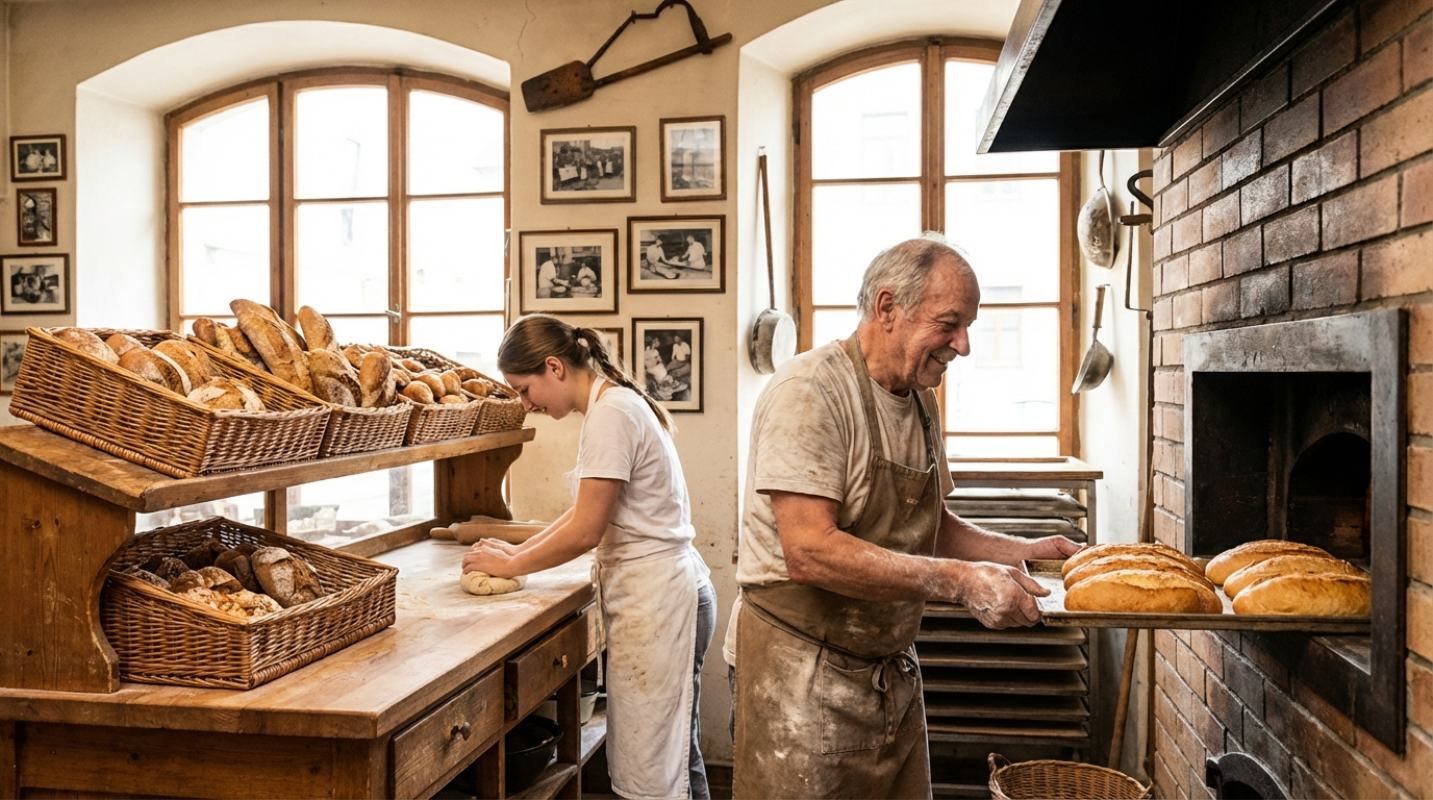
Industrial candy relies on speed and automation. Historic shops, but are defined by their focus on time-honored production methods. Think of the specialized tools: giant copper kettles, marble cooling slabs, and wooden molds passed down through generations. These tools don't just look good; they are functional necessities for creating confections with complex textures and flavors.
One of the most impressive techniques you might witness is sugar pulling. This centuries-old method involves stretching and folding hot sugar repeatedly, often using a massive hook. This strenuous process incorporates tiny air pockets, which lighten the texture, make the finished product glossy, and give hard candies and taffy that satisfying, delicate crunch. When you see a confectioner stretching a 6-kilogram mass of molten sweetness, you understand that this isn’t just cooking, it’s physical art.
Contrast that with the precision needed for other classics. Creating perfect fudge or caramel requires achieving specific temperature stages, like the "soft-ball stage" for chewy candies. A difference of just five degrees can mean the difference between a velvety caramel and a brittle, disappointing mess. That level of precision, passed down through apprenticeship rather than factory manuals, is why these small-batch sweets maintain their superior quality.
These shops aren’t simply selling old candy; they are preserving a culinary heritage. They use recipes that have remained unchanged for a century or more, focusing on pure ingredients like 100% cocoa butter or fresh cream, resisting the modern temptation to cut costs with artificial fillers.
Iconic Shops Shaping Tourist Itineraries
Travelers today are seeking authenticity, and nothing screams authentic like a business that has been operating since the Civil War. Across the country, specific historic shops have become pilgrimage sites for those with a sweet tooth.
Shane Confectionery in Philadelphia, Pennsylvania, founded in 1863, holds the distinction of being the oldest continuously operating candy shop in the United States.¹ Stepping inside is genuinely like time travel. They specialize in vintage confections and offer live candy-making demonstrations, turning the retail experience into a museum visit. Their dedication to making classic sweets, like clear toy candy and buttercreams, drives major tourist traffic to Old City.
Further south, Schimpff's Confectionery in Jeffersonville, Indiana, has been a family-owned staple since 1891. Schimpff's doesn't just sell candy; they feature an entire candy museum dedicated to the history of the trade. This integration of retail and history provides the experiential element modern travelers crave. You can watch the staff make their famous Red Hots, then browse the artifacts that tell the story of American sweets.
Sometimes, the draw is sheer, jaw-dropping scale. In Littleton, New Hampshire, you’ll find Chutters, which holds the Guinness World Record for the longest candy counter. At a staggering 112 feet long, the counter offers over 500 types of candy, transforming a simple purchase into a massive, delightful hunt for the perfect sugary treat.² It’s a visual feast designed perfectly for the modern, camera-ready traveler.
And then there are the institutions built on pure volume and familiarity. Economy Candy in New York City, a Lower East Side fixture since 1937, is famous for carrying vast inventories of retro favorites organized by decade. This shop taps directly into the nostalgia trend, allowing travelers to literally buy a piece of their childhood.
These shops thrive not by reinventing the wheel, but by polishing the spokes. They understand that their longevity is their biggest asset. They offer not just products, but stories, making sure that the experience of buying the candy is as memorable as eating it.
Marketing Nostalgia
In 2026, even the oldest candy shop needs a modern approach. The key to their continued popularity is their seamless integration into the world of experiential tourism and digital sharing.
Historic shops are inherently "Instagrammable." The sight of ribbon candy being twisted, the steam rising from a copper kettle, or the sheer, colorful chaos of a 112-foot candy counter are perfect visual content. These operations don't have to fabricate atmosphere; they simply exist in it. Travelers capture these moments, and social media becomes the digital equivalent of word-of-mouth marketing, driving new visitors who want to recreate that perfect, aesthetic moment.
The focus on experiential retail is equally important. Simply selling a product isn't enough anymore. Travelers want to participate. Many historic shops now offer candy-making classes, behind-the-scenes tours, or live demonstrations, like watching saltwater taffy being pulled on a 1947 Model K Kiss machine, as visitors can do at The Taffy Shop in Colorado.
This type of interaction transforms a quick visit into a meaningful memory. It’s about "permissible indulgence." Consumers are increasingly willing to "trade up" for premium, artisanal experiences, viewing these high-quality sweets as an affordable, momentary luxury.
Plus, these landmarks are often heavily promoted by local tourism boards. They serve as anchors in historic districts, drawing foot traffic that benefits surrounding small businesses, from antique stores to local cafes. The teamwork is clear: the candy shop provides the unique flavor, and the tourism board provides the global platform.
Top Recommendations for Your Sweet Itinerary
- Shane Confectionery, Philadelphia, PA: Best for historical authenticity and vintage confections.
- Schimpff's Confectionery, Jeffersonville, IN: Needed for history buffs; includes a dedicated candy museum.
- Chutters, Littleton, NH: Visit for the sheer spectacle of the world's longest candy counter.
- La King's Confectionery, Galveston, TX: Known for live taffy pulling demonstrations using old-time machinery.
The Economic Impact and Sustaining Heritage Confectioners
It’s easy to view these shops simply as charming destinations, but their economic footprint is substantial. The global confectionery market is valued at a titanic $619.25 billion, and while historic shops represent a niche, they contribute significantly to the premium and artisanal segments.³ They act as important anchors in local small business ecosystems, often employing multiple generations of families and drawing external revenue directly into the community.
But sustaining a heritage business in the 21st century comes with its own set of challenges. How do you scale production without sacrificing the integrity of a 19th-century recipe? How do you manage supply chains when you insist on using only 100% pure cocoa butter?
These businesses face the constant pressure of generational transition. The specialized knowledge of sugar pulling or precision temperature control is often tacit - passed down orally, not written in a corporate manual. Maintaining authenticity requires dedication to labor-intensive methods, which often means resisting the temptation to modernize processes that might compromise the final product.
Despite these hurdles, the future for heritage confectioners looks incredibly sweet. Why? Because the consumer desire for genuine, tangible experiences is only growing. In a world saturated with digital transactions and fast food, the act of walking into a century-old building, watching a candy maker work their create, and leaving with a sweet treat made exactly the way it was in 1890, remains deeply satisfying.
These historic candy shops aren't just surviving; they are growing by offering something fundamentally human: comfort, memory, and a taste of history. If you're planning your next trip, don’t just look for the landmarks and museums. Search for the sweet smell of sugar being pulled on a marble slab. That’s where the real local flavor is.
Sources:
1. The Best Candy Stores in the USA
2. The Art of Candy Making: Techniques and Tips from Master Confectioners
.png)