 (Image source: Gemini)
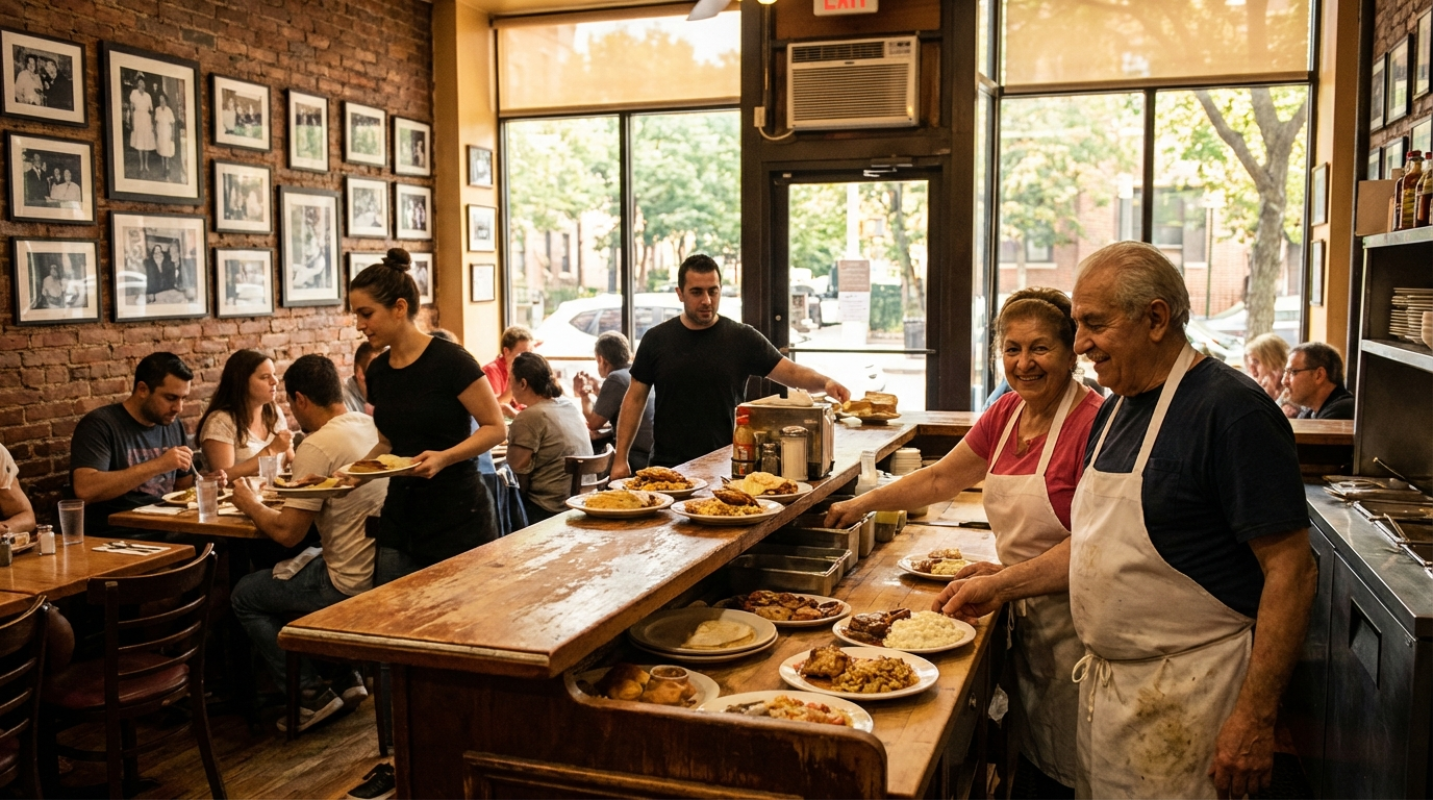
 Walk into a multi-generational family restaurant, and you don't just smell food. You smell history. You smell the specific, slow-simmered tomato sauce that’s been perfected over four decades, or the distinct smoke of the pit master’s grandfather. The floorboards might be worn down in the exact path between the kitchen and Table 4. You feel the weight of tradition.
These establishments are far more than just commercial ventures. They are important anchors of regional identity and culinary continuity. They define what "local cuisine" actually means, often serving as the baseline against which all other regional dining is measured. When we talk about culinary heritage, we aren't talking about Michelin stars (though many deserve them). We're talking about the places that captured a flavor profile 50 or 100 years ago and refused to let it go.
In the rapidly changing dining scene, where ghost kitchens and celebrity chef concepts dominate the headlines, it’s easy to overlook these legacy businesses. But ignoring them means losing the story of the place you live. We need to look closely at how these restaurants, defined by longevity and sustained quality, manage to thrive, change, and continue shaping our collective palate.
Preserving Tradition Through Generations
The primary value proposition of a multi-generational restaurant is simple: consistency and authenticity. You go there because the dish tastes exactly as your grandmother remembered it. This dedication requires more than just good cooking; it demands fierce protection of the original process.
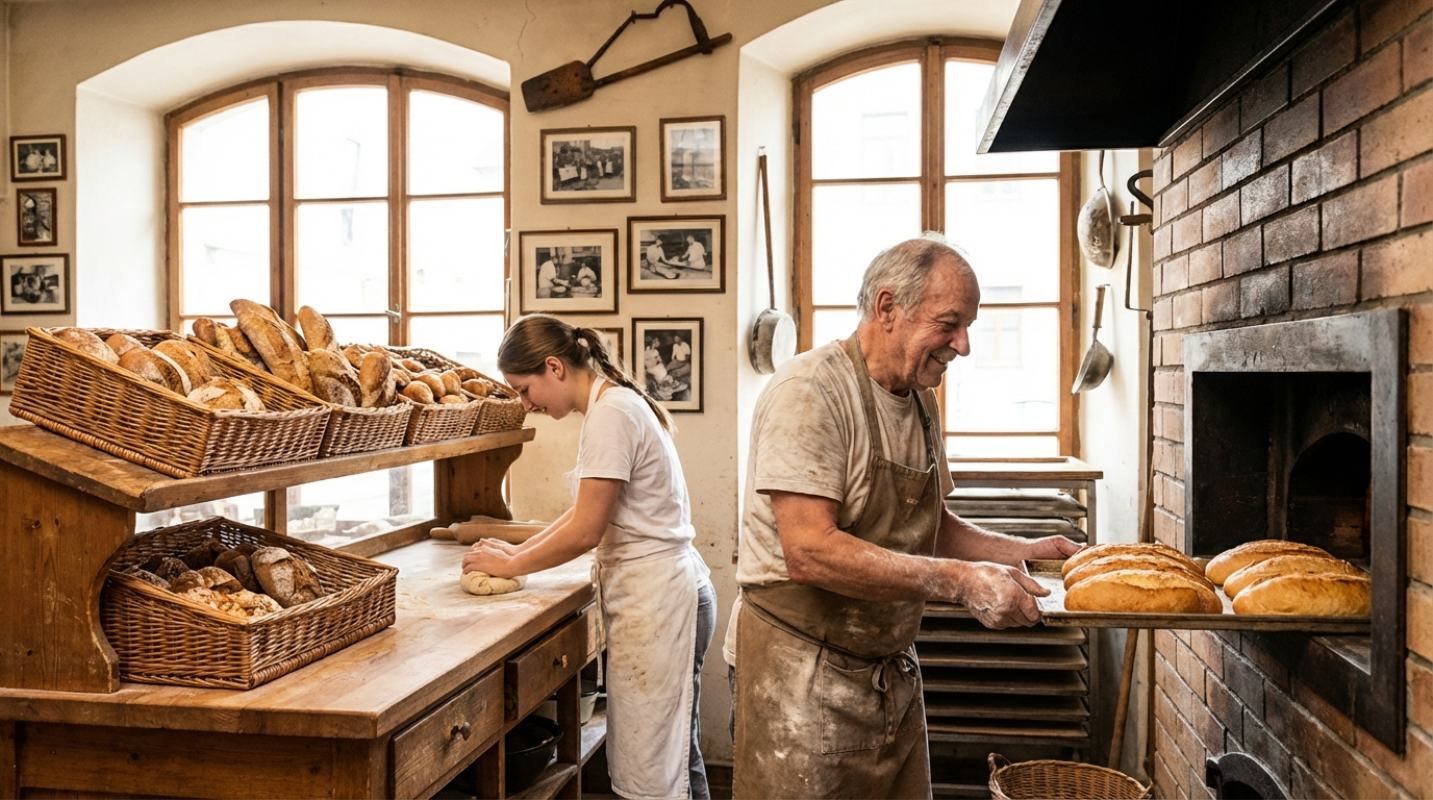
Think about the techniques that define a cuisine. Maybe it’s the specific way the pasta dough is kneaded by hand every morning, or the use of a wood-fired oven that can’t be replicated by modern convection technology. Often, the second or third generation inherits not just a recipe card but an entire physical infrastructure built around traditional methods.
Maintaining this authenticity today is a tightrope walk. Modern pressures, particularly around labor and supply chain logistics, constantly push owners toward cheaper, faster alternatives. Yet, the successful family restaurant resists this pull. They understand that their value lies in being an informal cultural ambassador, preserving and transmitting local and ethnic culinary heritage, often through ingredients sourced directly from the local community.² This focus on historical methods is what transforms a simple eatery into a living museum of local flavor.
Balancing Heritage with Modern Palates
Although rigid adherence to the past provides a foundation, survival demands adaptation. The biggest challenge for the current generation is figuring out how to integrate contemporary trends without sacrificing the core identity that made them famous.
How do you handle the demand for sustainable sourcing or accommodate modern dietary needs (gluten-free, vegan) when your entire menu is built on butter, flour, and family secrets? The successful ones approach modernization strategically. They don't change the foundational recipes, but they might change the delivery method, the ambiance, or the sourcing standards.
The younger generation stepping into leadership roles often brings valuable skills in branding and technology. They understand that while older generations relied on word-of-mouth, success requires a strong social media presence and seamless online ordering. They use technology to streamline back-of-house operations, making the business more resilient, while preserving the historical experience in the front of house.
The Value of Value-Driven Dining
A key adaptation approach visible in 2025 data, driven by current economic pressures, is the return to value-driven dining. Younger consumers are tightening their belts, and family restaurants are naturally positioned to appeal to this. The comeback of family-style dining is a perfect example, as shared meals reduce the per-person cost, making quality dining accessible again. This isn't just a trend; it's a financial lifeline.
Recommendations
- Implement Technology Thoughtfully - Use AI tools to optimize inventory and reduce food waste, but keep the personal touch at the counter.
- Embrace Heritage Ingredients - Focus on the story behind the traditional ingredients. Consumers are drawn to nostalgia and history, which justifies a higher price point for quality.
- Structure Succession Clearly - Formalize communication channels and create clear business plans to make sure the family dynamic doesn't sabotage the financial health of the company.
Itamae AO, a family-run establishment that specializes in Nikkei cuisine (Japanese-Peruvian fusion). They started as a simple food hall stand, built on traditional recipes, but their evolution into an intimate, high-end dining experience demonstrates successful scaling. They retained the focus on unique, generational flavor profiles while updating the presentation and ambiance to attract a younger, more adventurous clientele. This balance proves that you can respect the past while marketing to the future.
Economic and Cultural Impact: Defining the Local Food Space
If you want to understand the economic engine of a community, look at its family-owned businesses. Family restaurants are not just cultural hubs; they are fundamental drivers of local economies.
These multi-generational establishments are huge employers. Family-owned businesses account for approximately 64% of all private sector jobs in the U.S.¹ More importantly, they often commit heavily to local sourcing. Over 80% of family businesses report a strong focus on purchasing ingredients locally, which strengthens regional economic resilience by supporting local farmers and suppliers.³
So what does this actually mean for your town? It means that when you buy a plate of pasta from the same family that’s been running the trattoria since 1955, your dollar stays local. Unlike national chains, family businesses tend to reinvest profits directly back into the community, stabilizing the tax base and supporting the local "terroir." They are often the first to sponsor the little league team or donate meals during a local crisis. They build loyalty, not just among customers, but among employees, often providing stable jobs with lower turnover rates. They are, quite literally, the foundation of community stability.
Understanding the Post-Pandemic Culinary Scene
Despite their important cultural and economic roles, family restaurants are battling existential threats in the current financial climate. Running a legacy business in 2025 is brutally expensive.
The primary concerns are inflation, rising real estate costs, and labor shortages. Owners report that menu prices have been up 6–8% annually, and some needed ingredient costs have increased by up to 70% since 2021. This severely impacts profit margins, especially for businesses committed to using high-quality, local ingredients.
Adding to the pressure, the market is softening. Younger consumers, Millennials and Gen Z, are showing signs of financial stress and are pulling back on restaurant spending. Recent data shows that restaurants in "younger" zip codes are trailing the national average in traffic growth. This means the demographic that family restaurants need to court for future survival is the most budget-constrained right now.
But the most significant threat isn't economic; it’s genealogical. This is the infamous "three-generation rule." Statistics show a dramatic drop-off in continuity: only about 30% of family businesses make it to the second generation, and a mere 12–15% survive into the third generation and beyond.⁴
If the founder’s grandchild decides they’d rather be a software engineer than a saucier, the entire legacy is at risk. Successful continuity demands rigorous succession planning, formal business structures, and innovation sessions that bridge the gap between tradition and modern management. The goal isn't just to keep the doors open; it's to make sure the next generation is prepared to face the next 25 years of relentless market change.
The Future of Culinary Storytelling
Family-owned restaurants are living documents of local culture. They offer a sense of continuity and identity for younger generations, providing direct access to cultural practices that might otherwise be lost to globalization. They are the keepers of unique flavors and specific memories.
Supporting these places is more than just a nostalgic gesture; it's an investment in local resilience. When you choose the local, multi-generational trattoria over the national chain, you are supporting local jobs, local farmers, and the preservation of irreplaceable culinary history.
The future of local cuisine hinges on the ability of these legacy businesses to strike a delicate balance: honoring the recipes of the past while adopting the business practices of the future. We, as consumers and communities, have a responsibility to recognize and champion these defining establishments. They are the original storytellers of our food culture, and their narrative is one we absolutely cannot afford to lose.
Sources:
1. The Role of Family-Owned Businesses in Local Communities: Building Stronger Economies Together