 (Image source: Gemini)
 Agricultural heritage is the backbone of local identity, and nowhere is this more evident than in the vibrant, muddy, and delicious world of food festivals. Unlike generic city festivals that source ingredients from global distributors, these events are strictly tied to the harvest cycle of their specific regions. They serve as a vital bridge between urban consumers and the rural producers who sustain them.
The Symbiosis of Soil and Celebration
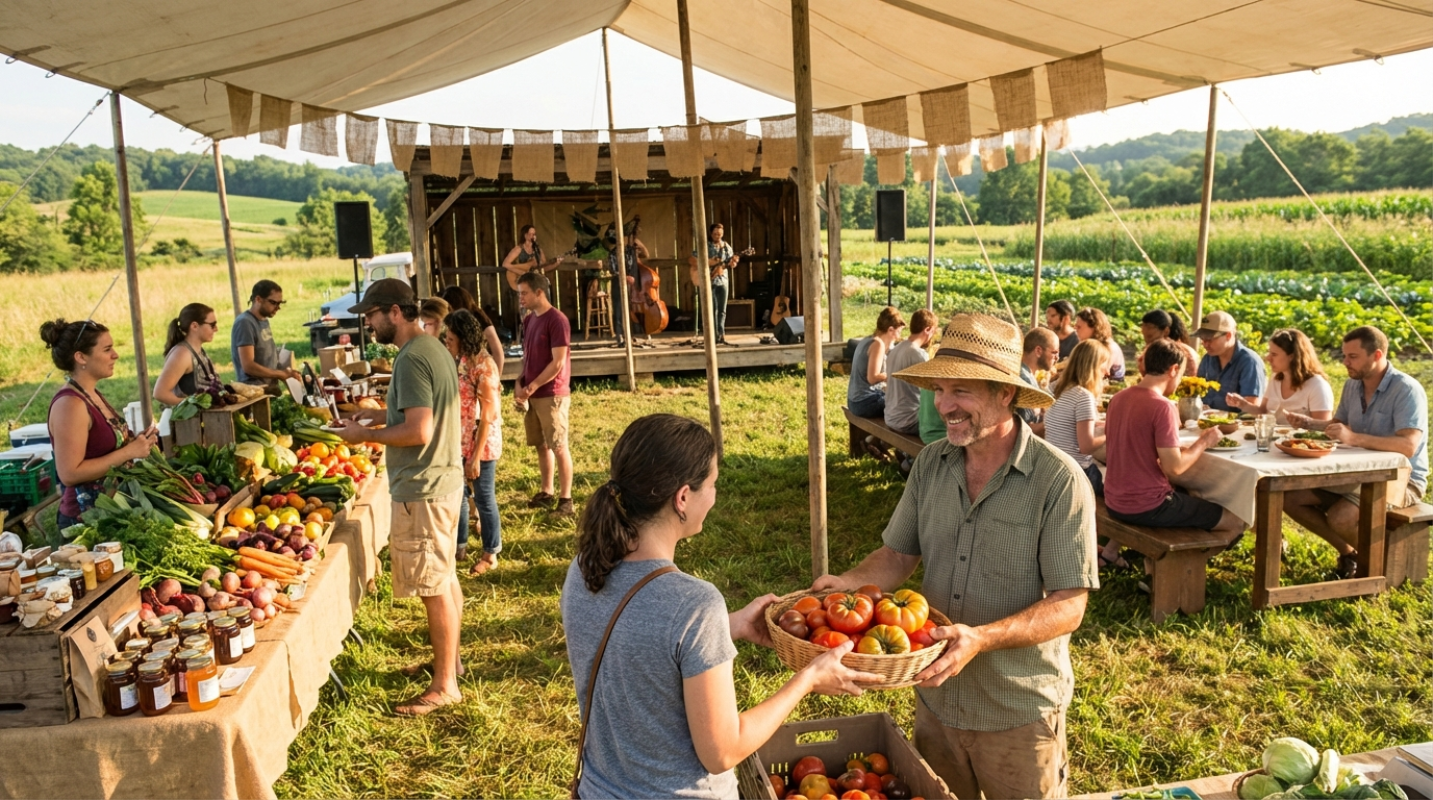
Food festivals celebrating local agriculture are more than just outdoor dining events; they are economic engines for rural communities. In an era dominated by industrial farming, these festivals provide small-scale farmers with a platform to showcase heirloom varieties and artisanal techniques that might otherwise be lost to history.
When a community rallies around a specific crop—be it the tart cherries of Michigan or the earthy truffles of Piedmont—they are engaging in a form of "gastro-patriotism." This collective pride ensures that land remains dedicated to farming rather than suburban development. By creating a high-demand event, farmers can often command premium prices for their harvest, reinvesting that capital back into sustainable soil management and innovative irrigation.
Chiles and Culture in the American Southwest
In the high desert of New Mexico, the harvest of the Hatch Green Chile is treated with a reverence usually reserved for religious holidays. The Hatch Chile Festival is a sensory assault of pungent, smoky aromas and vibrant greens.
- The Roasting Ritual: The centerpiece of the festival is the industrial-sized rotating drum roaster. Propane torches blister the skin of the peppers, caramelizing the sugars within and releasing a scent that can be smelled for miles.
- Agricultural Specificity: The "Hatch" name is a protected designation. The unique combination of alkaline soil, high altitude, and extreme temperature fluctuations in the Rio Grande Valley produces a pepper with a thick wall and a heat profile that ranges from mild to "extra hot."
- Economic Impact: For the village of Hatch, this festival is the primary driver of the local economy, attracting over 30,000 visitors who purchase tens of thousands of pounds of chiles to freeze and use throughout the year.
The Maritime Harvest of the Northeast
Moving from the desert to the coast, the Maine Lobster Festival in Rockland celebrates a different kind of "farming"—the sustainable management of the Atlantic's cold-water reefs.
- Community Cooking: The festival features the "World's Largest Lobster Cooker," a massive outdoor steamer capable of processing 1,600 pounds of lobster at a time.
- Education and Conservation: Unlike purely commercial ventures, the festival educates the public on the strict conservation laws that Maine lobstermen follow, such as "v-notching" fertile females to ensure future populations.
- The Great Lobster Crate Race: This event, where participants run across floating wooden crates in the harbor, is a lighthearted nod to the physical agility required for a life at sea, further humanizing the labor behind the plate.
Europe’s Ancient Harvest Traditions
In Europe, food festivals are often deeply intertwined with medieval history and the "Terroir"—the idea that the environment gives a food its specific character.
- Alba White Truffle Fair (Italy): Located in the Piedmont region, this festival celebrates a "crop" that cannot be farmed, only foraged. It highlights the delicate relationship between the local forests, the "Trifolau" (truffle hunters), and their trained dogs. The event emphasizes the preservation of old-growth oak and hazelnut trees where the truffles grow.
- La Tomatina (Spain): While famous for the "world's biggest food fight," the origins of this Buñol festival are rooted in a local surplus of tomatoes. Today, it serves as a massive marketing tool for the region’s citrus and vegetable exports, even though the tomatoes used in the fight are of an inferior quality not fit for consumption.
The Rise of "Agri-Tourism" and the Modern Foodie
The 21st century has seen a shift in how people attend these festivals. The modern "foodie" isn't just looking for a meal; they are looking for an origin story. This has led to the rise of Agri-tourism, where the festival is just the entry point to a weekend of farm tours, cheesemaking workshops, and "pick-your-own" experiences.
- Traceability: Consumers now demand to know the specific farm their cider came from. Festivals like the National Apple Harvest Festival in Pennsylvania meet this demand by labeling every variety, from the common Gala to the historic Stayman-Winesap.
- Sustainability: Modern festivals are increasingly "zero-waste." Organizers are mandating compostable plating and ensuring that food scraps are returned to the very farms that provided the produce, creating a closed-loop system that mirrors the natural nitrogen cycle of the soil.
Challenges to the Harvest Festival Model
Despite their popularity, these festivals face significant hurdles. Climate change is the most pressing threat. A late frost in Georgia can devastate a peach festival, while drought in California can turn a wine harvest celebration into a somber reflection on water scarcity.