 (Image source: Gemini)
 If you’re reading this, you probably understand that food is more than just fuel. It’s culture, it’s history, and increasingly, it’s a form of personal ethics. We’re not satisfied with the factory line anymore. We want the story, the hands that made it, and the soil it came from. This desire for authenticity is exactly what defines the artisanal food movement: craftsmanship, small-batch production, and ingredient traceability.
This isn’t a fleeting trend. It’s a foundational shift in consumer behavior. The overall specialty food market, which captures the vast majority of artisanal products, is booming. Sales hit $206.8 billion in 2023, and analysts project that specialty food will climb from a 14% market share to a whopping 26% by 2026.¹ That’s a massive appetite for quality.
So what does this actually mean for us, the hungry consumers? It means certain markets around the world have become indispensable pilgrimage sites. They are the hubs where the focus on quality isn’t just marketing copy, but a way of life. These premier destinations champion the entire ecosystem, connecting small producers with consumers willing to pay a premium for certified excellence.
European Epicenters - Tradition, Terroir, and Certification
When we talk about artisanal food, we have to start where the tradition is deepest: Europe. This continent holds the largest revenue share in the global market, largely because its culinary heritage has been codified and protected for generations.
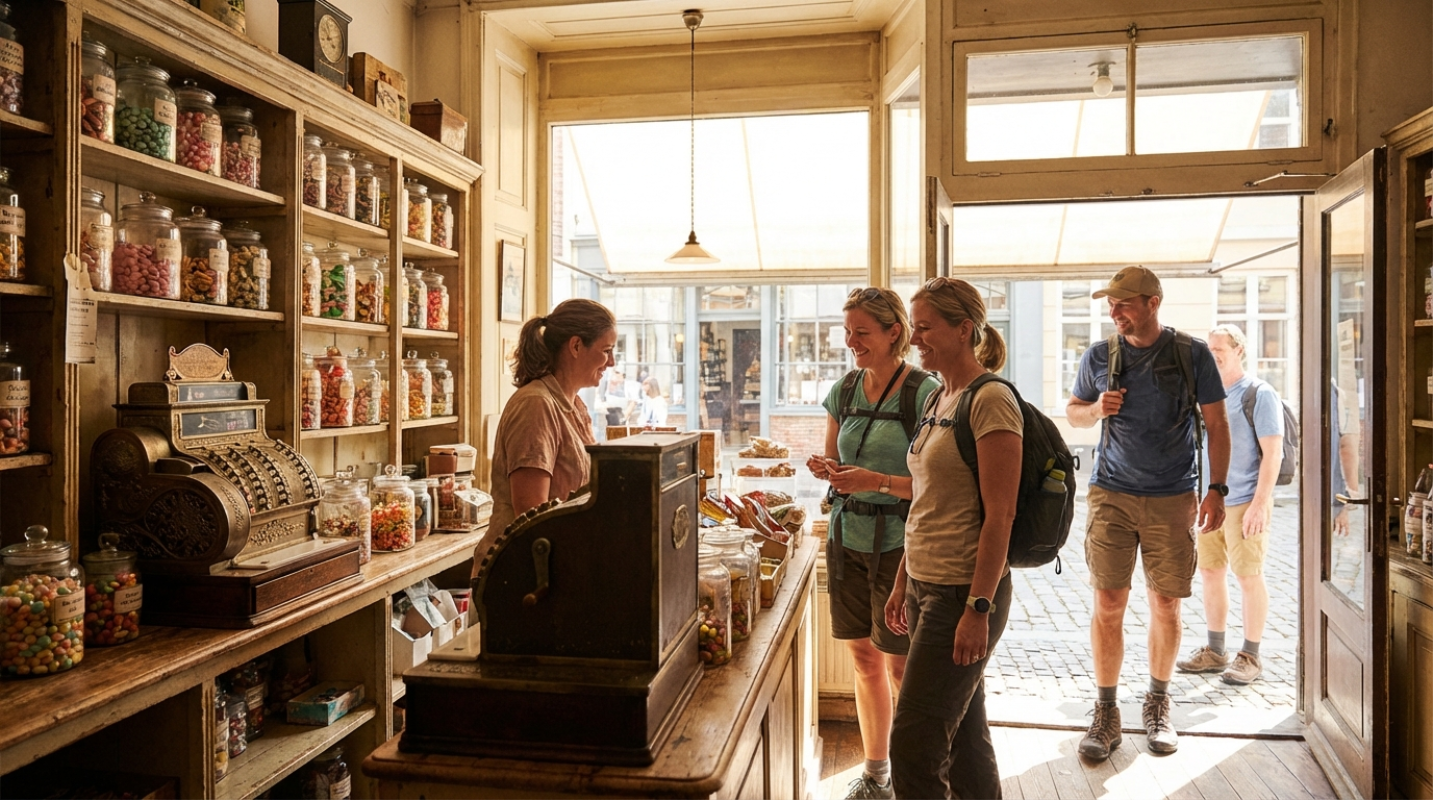
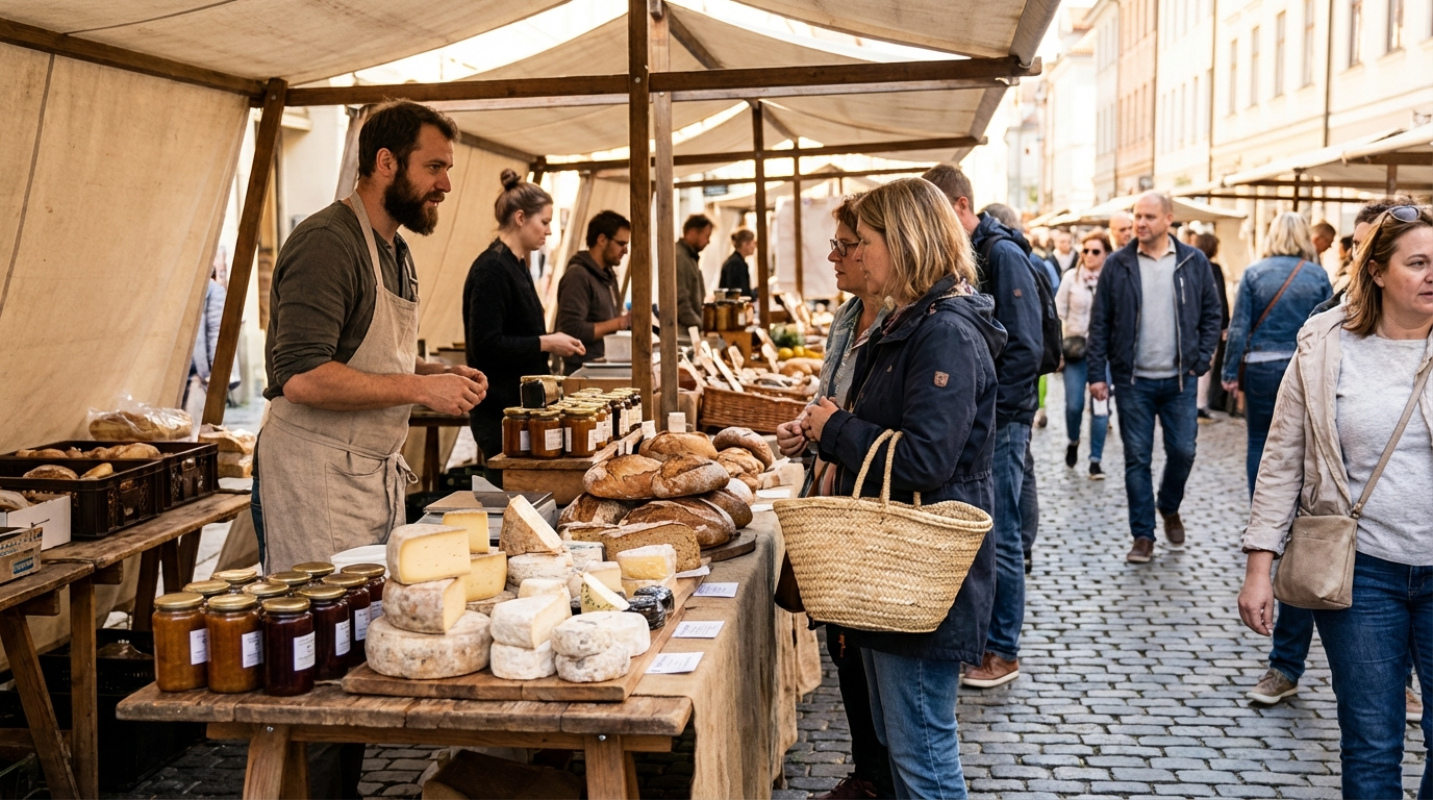
Think about the atmosphere in a place like Marché des Enfants Rouges in Paris. It’s not just a market; it’s an institution, the oldest covered market in the city. Here, the focus is hyper-local and specialized, whether you are buying single-origin olive oil or a specific regional cheese. It’s a sensory experience designed to make you slow down and appreciate the labor involved.
Similarly, head to Italy and explore the Mercato di Mezzo in Bologna. This is the heart of Emilia-Romagna, often called Italy’s food valley. The producers here aren’t just selling food; they are selling terroir, the taste of the specific region.
The Power of the Stamp
How do these European markets maintain such high trust? The answer lies in strict regulatory frameworks, specifically the Protected Designation of Origin (PDO) and Protected Geographical Indication (PGI) certifications.
These certifications aren't just bureaucratic hurdles; they are shields that protect the authenticity of artisanal quality. When you buy Parmigiano Reggiano or Champagne, you know that the product was made in a specific place, using specific methods, passed down through time. This institutional trust allows vendors to command higher prices, and consumers are absolutely willing to pay them. It’s the guarantee that what you are buying isn't a factory imitation.
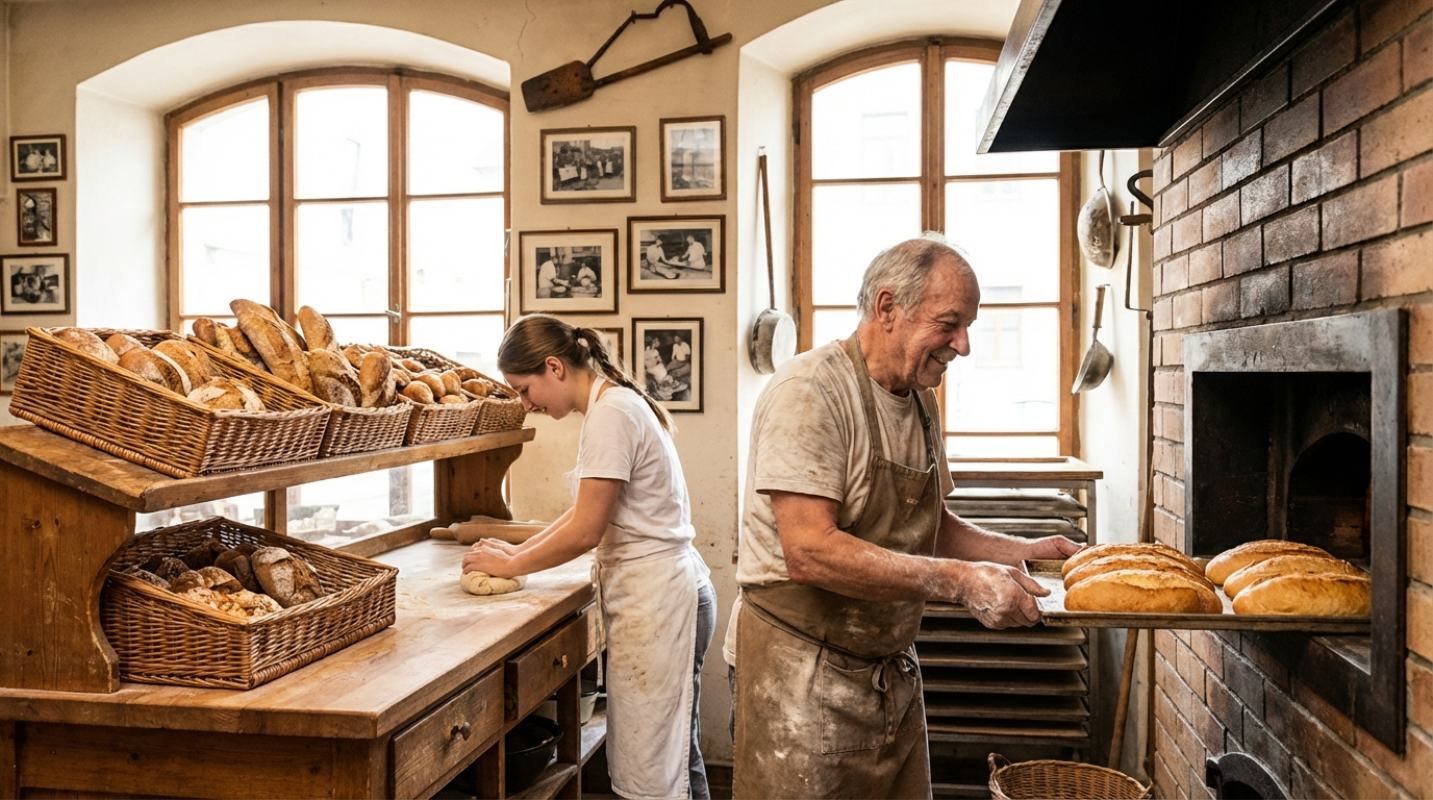
It’s worth noting that this focus on heritage extends even into the everyday. Germany, like, dominated the global artisanal bakery products market in 2024. Why? Because the preference for traditional, regional bread types like sourdough and rye is deeply ingrained in the culture. These markets are successful because they don’t chase trends; they honor history.
North American Innovation
Across the Atlantic, the artisanal scene operates with a slightly different energy. Although Europe is steeped in protectionist tradition, North America excels at innovation and rapid adaptation. Our markets combine local produce with a hunger for global flavors and modern convenience.
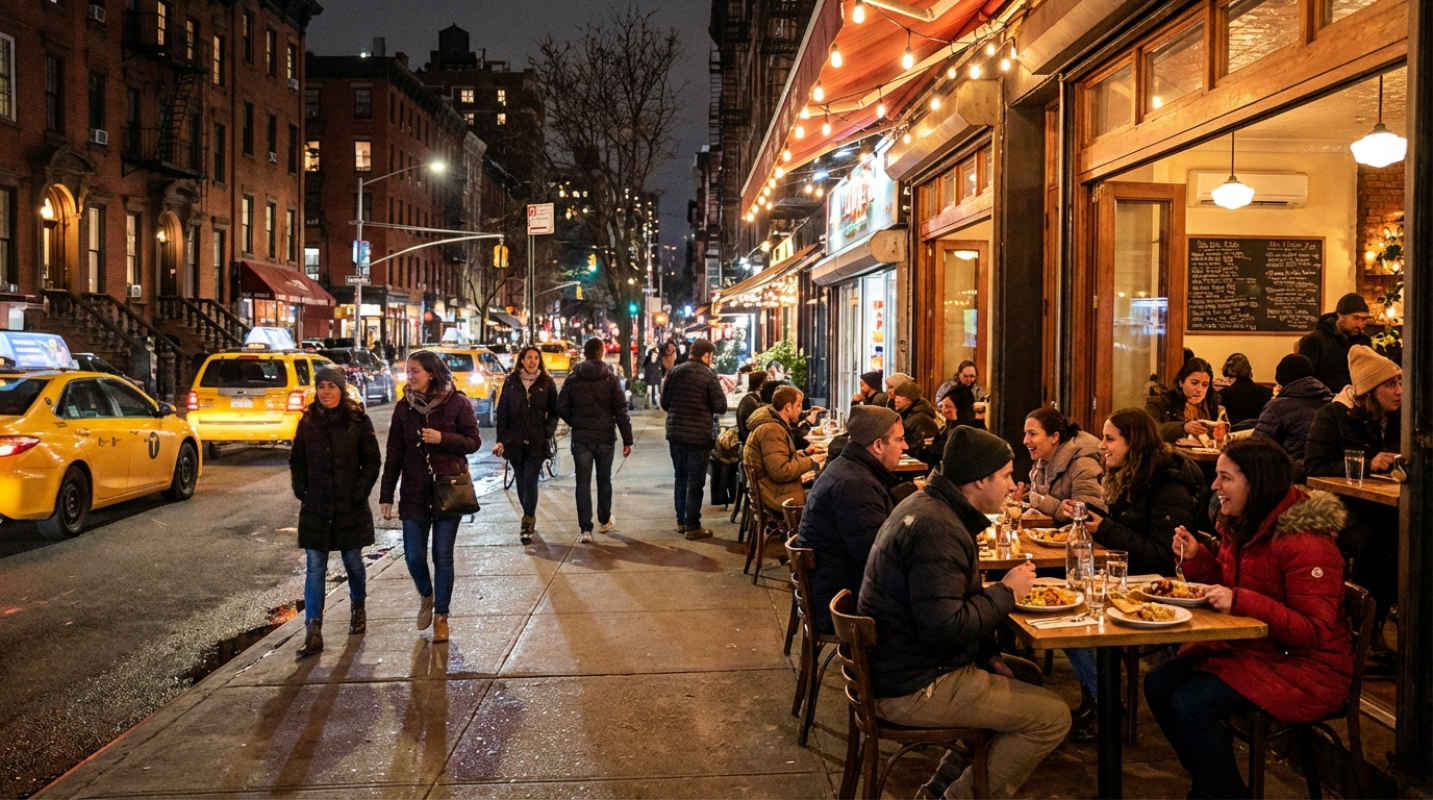
In the US, the Union Square Greenmarket in New York City is a prime example. It’s a sprawling hub where producers from the surrounding states bring everything from create pickles and small-batch honey to heritage meats. It’s where the farm-to-table concept transitioned from a restaurant philosophy into a daily consumer habit.
Up north, Granville Island Public Market in Vancouver, Canada, shows the intersection of local ingredients with modern demands. You’ll find artisanal makers focused heavily on sustainable packaging or creating specialized, plant-based foods.
The Global Palate, Instant Gratification
The North American market is currently defined by two powerful forces. First, sustainability and ethical sourcing matter to consumer priorities, driving demand for clean-label, preservative-free, and organic options. Secondly, consumers want what the Specialty Food Association calls "Instant Global Gratification." They seek diverse, authentic global cuisines, but often in convenient, ready-to-use formats.
This creates a fascinating challenge for small producers. How do you maintain the small-batch integrity and the "story" of your product while also making it available to a mass audience? Many artisanal vendors are successfully navigating this by focusing on high-quality condiments, unique sauces, and premium ready-to-eat items that elevate home cooking.
Asia and Oceania Driving New Demand
Although Europe and North America have established market structures, the most exciting growth is happening in Asia and Oceania. These regions are rapidly expanding their consumer base and integrating indigenous flavors into modern artisanal lines.
Consider Tokyo. Japanese food culture has always been artisanal, built on deep respect for primary ingredients and precise methods. Markets here, though perhaps less overtly chaotic than their European counterparts, excel in specialized craft products, particularly in areas like traditional koji fermentation, unique regional soy sauces, and premium teas. Their dedication to quality control and ingredient purity sets a global standard.
Then look at Melbourne, Australia. The city’s famous laneway food culture has built a network of small, specialized producers. Consumers in Australia and New Zealand, along with Europe, are particularly willing to pay more for locally produced goods, creating a supportive environment for vendors focusing on things like native spices or innovative dairy products.
The Digital Marketplace
A key difference in these emerging markets is how technology is breaking down geographical barriers. E-commerce platforms are democratizing access to specialized markets. Think of a small producer in rural Japan making a unique variety of miso. Traditionally, you’d have to travel there to find it. Now, you can order it online.
This digital shift is the equivalent of finding a hidden market stall from your kitchen table. It allows these specialized, often remote, artisanal producers to reach the global consumer who is actively seeking unique flavors, especially Asian cuisines, which are extremely popular in the West.
Top Recommendations for Your Next Culinary Journey
To truly understand the artisanal food movement, you need to immerse yourself in the markets where it thrives. These are our top picks for experiencing unparalleled quality and connection with producers
- Marché des Enfants Rouges, Paris, France: Ideal for experiencing protected European tradition, particularly high-end cheeses, charcuterie, and prepared foods. Go for the atmosphere and the history.
- Union Square Greenmarket, New York City, USA: The ultimate example of a dynamic, modern farmers' market. Best for finding innovative create beverages, heritage vegetables, and locally sourced, seasonal ingredients.
- La Boqueria, Barcelona, Spain: A sensory overload of Spanish and Catalan specialties. Known for its incredible displays of fresh seafood, cured meats (like Jamón Ibérico), and colorful fresh fruit and juice stands.
- Borough Market, London, UK: Famous for its complete selection of specialty ingredients from across the UK and continental Europe, focusing heavily on ethical sourcing and independent vendors.
- Granville Island Public Market, Vancouver, Canada: Excellent for Pacific Northwest specialties, creative baking, and innovative small-batch products that emphasize sustainable practices.
Transparency and the Premiumization of Home Cooking
Looking ahead, the artisanal market won’t slow down. Future Data Stats projects the global market size for artisanal food to reach $1.5 trillion by 2025 and $2.5 trillion by 2033.³ The primary drivers for this continued growth are ethical sourcing and transparency. Consumers don't just want good food; they want clean food, and they want to know the supply chain is fair.
One fascinating trend defining the next few years is the "premiumization of cooking at home." Since the pandemic, consumers have invested heavily in elevating their everyday meals. They aren't necessarily splurging on massive restaurant bills, but they are spending more on premium ingredients to use in their own kitchens.
This is why products like grass-fed dairy, avocado oil, and ghee are seeing rapid growth, sometimes surging between 14% and 40%.² We are using specialty products to turn Monday night dinner into a small luxury. This "lipstick effect" - indulging in small, high-quality items even during economic uncertainty - is driving grocery spending.
It’s also important to watch distribution channels. Although we love visiting the physical markets, the smaller food service trade, including cafes and specialty restaurants, is actually forecast to lead specialty sales growth over traditional grocery retail in 2024 and 2025. This means that your favorite local cafe is becoming a key curator of artisanal quality.
Ultimately, what makes a market a premier destination for artisanal food products isn't just the quality of the ingredients, though that’s key. It’s the connection. It’s the ability to meet the person who made the product, hear their story, and understand the care that went into the batch. That direct relationship, fueled by transparency and sustained by global demand, is the needed characteristic of every truly great artisanal market worldwide.