 (Image source: Gemini)
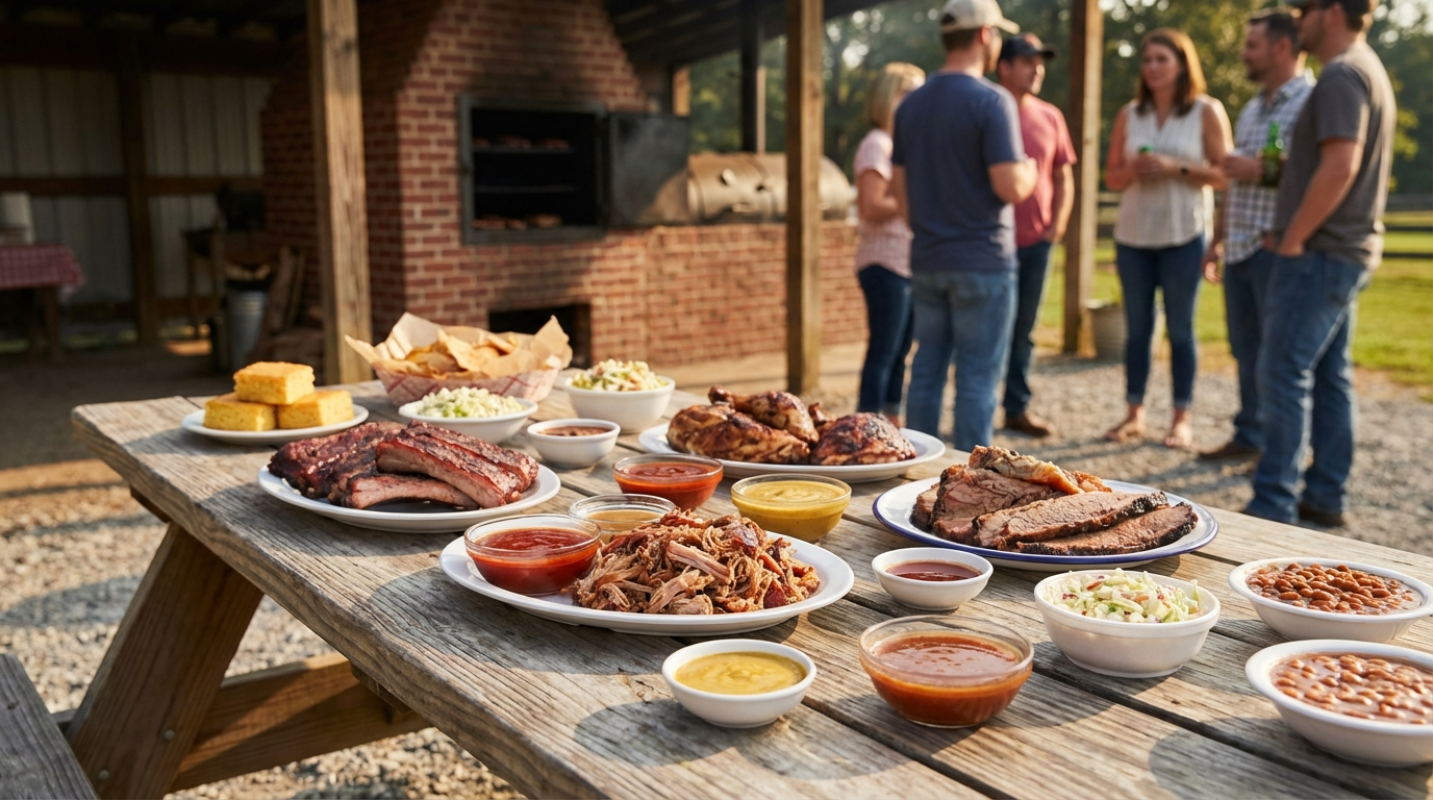
 If you’re traveling through the American South, you aren’t just looking for good food. You are seeking an education. Barbecue here is a fiercely protected cultural institution, steeped in history, defined by smoke, and, most importantly, differentiated by geography.
To talk about "Southern BBQ" generically is to miss the entire point. It’s like discussing European wine without distinguishing between Bordeaux and Chianti. The wood, the animal, and the sauce are the dialects of this region, changing dramatically every few hundred miles. These distinctions define the culinary map of the South, offering a confident thesis: true Southern barbecue is a fragmented masterpiece.
We’re going beyond the generic pulled pork sandwich. We're getting into the precise chemistry of smoke rings, the historical rivalries that dictate sauce ingredients, and the pitmasters who treat cooking a brisket like a religious rite. Get ready to explore the smoke-filled diversity that makes this cuisine one of the most exciting and contentious in the world.
The Carolinas - Vinegar, Mustard, and the Pig’s Predominance
The Carolinas are where the barbecue story begins, and where pork reigns supreme. But even within these two states, you find a culinary civil war waged entirely over the acidity of the sauce.
Start in Eastern North Carolina (ENC). This is the purist’s domain, the original American barbecue. Here, the focus is the whole hog, smoked until the meat is falling away from the bone. The sauce, or "mop," is brutally simple: vinegar, salt, pepper, and crushed red pepper flakes. It’s thin, sharp, and designed not to flavor the meat so much as to balance it. Experts note that the vinegar’s primary function is to cut through the richness of the fatty, slow-cooked pork, providing an important "zing" that prevents the meat from feeling heavy.¹ This style is unapologetic and focused entirely on the pig itself.
Travel west, toward Lexington and the Piedmont region of North Carolina, and things get slightly sweeter. The protein shifts from the whole hog to the pork shoulder, and the sauce introduces a touch of tomato and sugar alongside the vinegar. It’s a transition style, a bridge between the pure acid of the east and the richer glazes found further inland.
Then you cross into South Carolina, and everything turns golden. This is the land of Carolina Gold, a distinctive mustard-vinegar hybrid sauce. This tradition was heavily influenced by German immigrants settling in the mid-1700s, who brought their love of mustard with them. The result is a tangy, complex sauce that is sweeter and mellower than the aggressive ENC vinegar. It pairs beautifully with pulled pork and is increasingly popular nationwide for its unique, bright flavor profile. The Carolinas prove that for pork, the sauce is the soul, and its base is everything.
Texas Titans - Brisket, Beef, and Wood Smoke
If the Carolinas are about the pig, Texas is unequivocally about the cow. Specifically, it’s about the brisket, smoked over post oak until it achieves a perfect, dark, crunchy "bark."
Central Texas barbecue is the global standard, defined by its simplicity and uncompromising dedication to beef flavor. The rub is the definition of minimalist: coarse kosher salt and black pepper. That’s it. Pitmasters emphasize that the use of 16 mesh ground black pepper is important for superior bark development, giving the meat that characteristic crunchy shell. The wood must be post oak, providing a clean, subtle smoke that complements the beef rather than a lot of it.
The technique is where the artistry lies. Brisket is a fickle cut, requiring 12 to 14 hours over heat. Modern pitmasters are constantly refining how they handle the dreaded "stall," the phase where the internal temperature plateaus. Although the "Texas Crutch" (wrapping in foil) is common, the trendiest joints prefer breathable butcher paper to preserve the important bark and avoid a "pot roasty" flavor. A growing hybrid technique, the "Foil Boat," wraps the bottom in foil for moisture but leaves the top exposed to get the most from the smoke and crunch.
But the most important step? The rest. You might think you’re hungry, but the brisket isn’t done until it has rested for two to four hours in an insulated environment. This extended rest allows the collagen to finish breaking down and the juices to redistribute, making sure that the meat you receive is intensely moist. It’s a practice that defines the Texas scene, which remains a dynamic beast, with new contenders constantly emerging and pushing the boundaries of beef perfection.
The Memphis Method - Dry Rubs, Wet Sauces, and the Reign of Ribs
Head northeast from Texas, and you land in Memphis, Tennessee, the undisputed capital of pork ribs. Here, the focus shifts entirely away from the pulled pork common in the Carolinas and toward the perfect rack, whether dry or wet.
Memphis style is defined by its rub. It’s sweet, salty, and complex, relying heavily on brown sugar, paprika, and a mix of onion and garlic powders. This rub is applied liberally, creating a rich, mahogany-red color when smoked over charcoal and hickory.
The great debate in Memphis is whether your ribs are Dry or Wet.
- Dry Ribs: These are the purist’s choice. They are smoked without sauce and finished with a final dusting of the dry rub right before serving. The flavor is entirely dependent on the bark and the smoke penetration.
- Wet Ribs: These ribs are slathered in a thin, sweet, tangy tomato-based sauce during the final stages of cooking, creating a sticky glaze.
Although traditional restaurants cling to the dry standard, the hyper-competitive world of Memphis barbecue, epitomized by the annual Memphis in May World Championship, drives innovation. Competition ribs often employ a complex approach involving a "Butter Bath & Wrap" and an elaborate glaze, proving that even the most traditional styles are constantly changing under pressure.
And while ribs are the star, you can’t leave Memphis without encountering its unique anomalies. Barbecue spaghetti, where pulled pork and sauce are mixed into pasta, is a local staple. It’s an acquired taste, certainly, but it demonstrates how deeply integrated barbecue is into the city’s everyday culinary identity.
Alabama and the Gulf Coast - White Sauce and Unexpected Flavors
If you thought you knew Southern barbecue, Alabama is ready to challenge your assumptions with a creamy, peppery curveball. We’re talking about Alabama White Sauce, a mayonnaise-based creation that stands out as a true anomaly in the world of smoke.
This sauce originated in North Alabama, invented by Robert "Big Bob" Gibson in Decatur in the 1920s. Big Bob used this sauce primarily on smoked chicken. Why mayonnaise? Because the creamy base, mixed with apple cider vinegar, lemon juice, and plenty of black pepper and horseradish, serves an important function: the mayonnaise base helps lock in moisture and prevents the lean smoked chicken from drying out during the long cook.
The result is a tangy, savory, slightly spicy sauce that is applied as a mop during the cook and as a finishing sauce before serving. It’s creamy, yes, but the vinegar and pepper cut through the richness so effectively that it doesn't feel heavy. Although historically focused on chicken, you’ll now find it dressing pulled pork and even appearing on dipping trays across the state. The fact that Big Bob Gibson started his business around 1925 means that this unique sauce is celebrating a century of history.
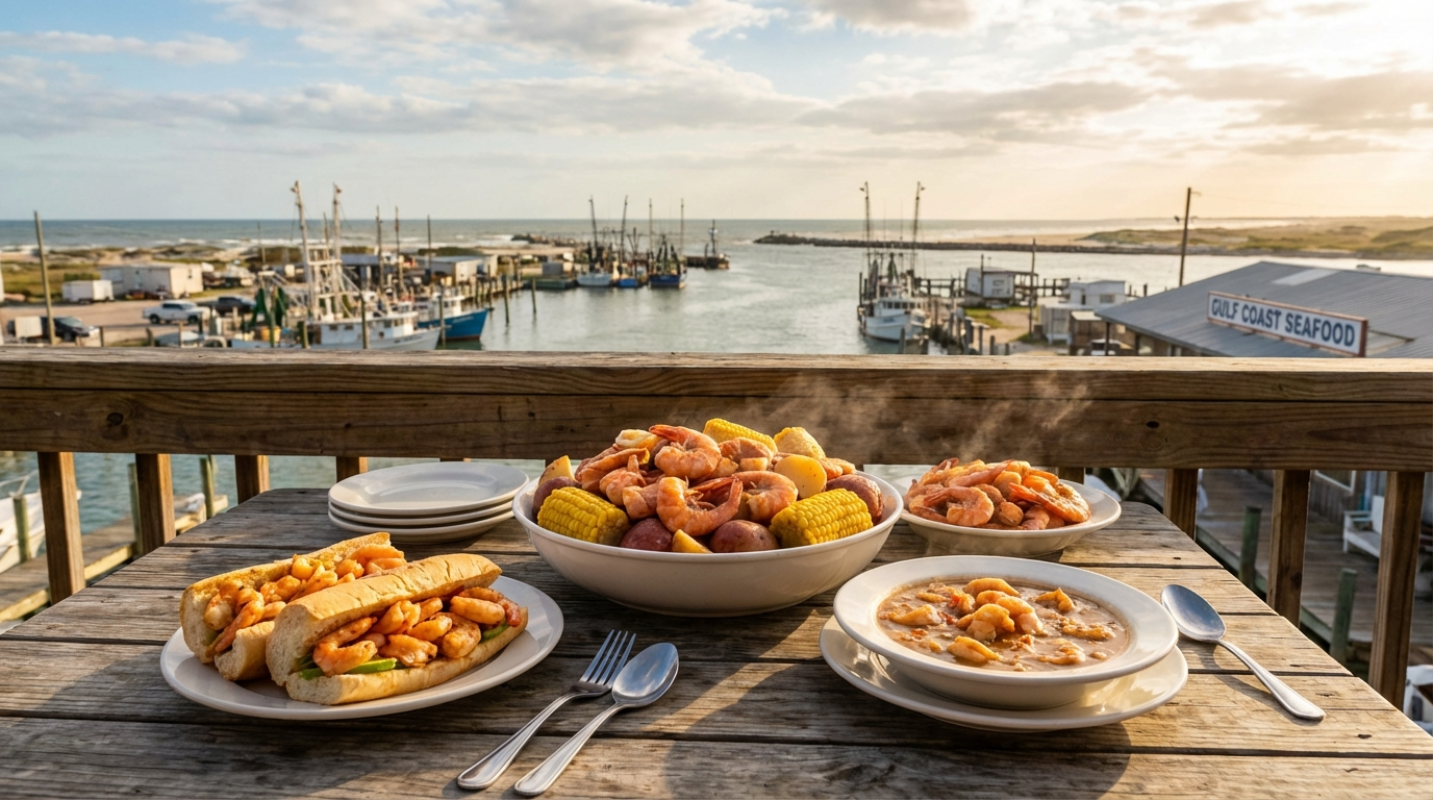
Beyond Alabama, the Gulf Coast states often blend influences. Mississippi barbecue often sits in a delicious middle ground, pulling sweetness from Memphis and sometimes adopting the heavy smoke of Texas. Louisiana, while dominated by Cajun and Creole flavors, integrates elements of barbecue, using spicy rubs and often smoking sausages or pork shoulders, always adding that signature regional heat. But North Alabama’s white sauce remains the region's great, delicious surprise.
The Road Ahead for Southern Smoke
What does this diversity tell us? It proves that Southern barbecue is not a monolith; it’s a living, breathing culinary map where every state, and often every county, has a proprietary claim on perfection. The differences in wood (post oak versus hickory), the animal (beef versus pig), and the sauce (vinegar versus mustard versus mayo) are not minor details. They are the defining characteristics that make the cuisine so rich.
Today, the regional lines are blurring, thanks to modern fusion and the national distribution of recipes. You can now find excellent Texas-style brisket in Charleston, and Carolina Gold sauce is now a staple in Chicago. This movement raises important questions about authenticity. Is a Memphis pitmaster who uses Texas post oak still cooking Memphis barbecue?
The debate over authenticity is actually the greatest strength of Southern smoke. It forces pitmasters to constantly innovate while honoring the traditions that gave them their start. The legacy of Southern barbecue isn't about remaining static. It’s about fiercely defending your local style while borrowing the best techniques from your neighbors.