.png) (Image source: Gemini)
(Image source: Gemini) Sausage. Say the word and you might picture a simple breakfast link or a charred bratwurst at a summer cookout. But that simple casing, stuffed with spiced meat, is perhaps the most universal yet intensely localized culinary art form on the planet.
For millennia, sausage wasn’t a choice; it was a historical necessity. It was how our ancestors preserved every valuable scrap of an animal using salt, spice, smoke, and time. Today, this practice has evolved far beyond mere preservation. It’s a reflection of terroir, climate, and cultural identity. The spices available in Calabria dictated the heat of the 'Nduja, just as the cold, dry air of the Spanish mountains perfected the aging of Chorizo.
This article isn’t just about where to buy good sausage. It’s about understanding the specific regional sausage traditions that define entire cultures, showing the key ingredients, preparation methods, and importantly, the best locations to experience authentic versions in 2026. Think of this as your culinary passport to the world’s most compelling charcuterie.
Classics from Germany, Italy, and Spain
Europe is the undisputed epicenter of sausage diversity. Here, tradition is codified, protected by strict geographical designations that make sure the flavor you taste in Bavaria is exactly the flavor generations before you experienced.
Germany: The Land of a Thousand Links
When you talk about sausage volume and variety, you start in Germany. It’s estimated that the country boasts well over 1,000 different types of sausages, each with an almost religious attachment to its place of origin.
Take the humble Bratwurst. It sounds simple, but asking for a Bratwurst in Germany is like asking for "bread" in France. You have to specify. Are you looking for the slender, finger-sized, marjoram-heavy Nuremberg Rostbratwurst? Or perhaps the thick, garlicky Thüringer Rostbratwurst, protected by EU designation and traditionally grilled over beechwood?
Then there’s the elegant, steamed Weisswurst (White Sausage) of Munich, traditionally eaten before noon and seasoned with parsley, lemon, and onions. Germany’s focus on quality and authenticity drives its massive market, which saw imports of sausages reach $1.5 billion in 2024, a figure expected to climb as consumers seek out these specific regional tastes¹. If you want authenticity, head straight to a local Metzgerei (butcher shop).
Italy: From Delicate Mortadella to Fiery 'Nduja
Italian sausage traditions are defined by a important North/South divide.
In the North, specifically Emilia-Romagna, you find complex, emulsified products like Mortadella (the true, pistachio-studded version, not the American lunch meat imitation) and delicate, fresh Salsiccia. These sausages often prioritize subtle flavor and texture.
Travel south, but the heat turns up. The star of Southern Italian charcuterie is 'Nduja, a spicy, spreadable pork sausage hailing exclusively from Calabria. It’s heavily seasoned with Calabrian chili peppers, giving it an active red color and a fiery kick. Because 'Nduja is a specialty that relies on specific local chili varieties, you must source it from a reputable Calabrian producer to get the true, melt-in-your-mouth experience.
Spain: The Role of Paprika and the Air Cure
Spanish sausage is dominated by the dry-cured masterwork, Chorizo. The key differentiator here is pimentón (smoked paprika), which gives Spanish chorizo its deep red hue and earthy, smoky flavor.
There are fresh versions, yes, but the most famous are the dry-cured varieties, often made from prized Iberian pork (Chorizo Ibérico). Depending on the region, you might find different textures and spices. Salchichón, like, is cured like chorizo but relies on black pepper and nutmeg rather than paprika. For the best experience, look for specialty charcuterías in regions like La Rioja or Extremadura, where the climate is perfect for slow aging.
Fusion, Smoke, and Spice
The sausage traditions of the Americas are a mosaic, built on the culinary heritage of European immigrants but adapted by local ingredients, smoking methods, and aggressive spice profiles.
United States: Immigrant Heritage and Artisanal Revival
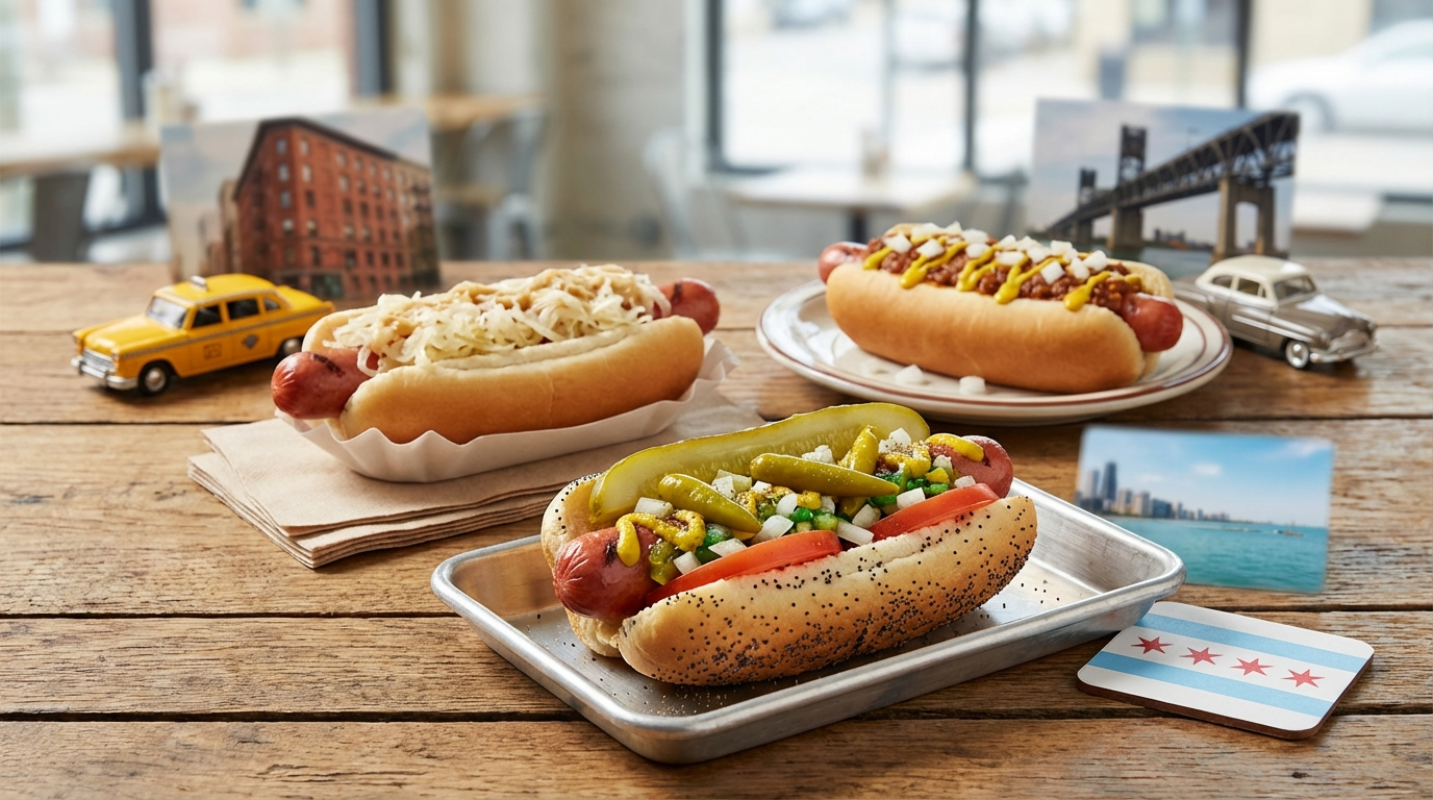
The US sausage scene is less about one national identity and more about regional pockets defined by immigration waves. In the Midwest, especially Chicago, you’ll find incredible Kielbasa and hearty German-style Bratwurst, thanks to Polish and German settlers.
But perhaps the most distinct American contribution is found in Louisiana: Andouille. This is a spicy, coarse-grained pork sausage, important to Cajun and Creole cuisine. It gets its deep, smoky flavor from being smoked over pecan or oak wood for hours. Finding authentic Andouille means seeking out local smokehouses deep in the Cajun heartland, where the smoking process remains artisanal.
The demand for these authentic, international flavors is massive. The US is the largest global importer of sausages, bringing in over $2 billion worth in 2024 alone, a clear sign that Americans are hungry for true regional heritage². Today, artisanal butchers in cities like Portland, Oregon, are driving a gourmet charcuterie revival, applying European techniques to local, high-quality meats.
Mexico: The Fresh, Fiery Link
Mexican sausage traditions pivot around fresh, highly spiced versions of Chorizo. Unlike the dry, cured Spanish variety, Mexican chorizo is typically sold raw and loose, meant to be cooked immediately. It gets its signature kick from vinegar, chili peppers, garlic, and sometimes regional spices like cumin or oregano.
Regional variations are needed here. Although you might find smoky, chipotle-infused chorizo in Oaxaca, you’ll encounter brighter, citrusy versions in the Yucatán. For those seeking the absolute epicenter of this tradition, culinary experts cite Tula, Mexico, as the "capital of chorizo making"³. Local carnicerías (butcher shops) are the best place to find fresh, daily-made links that haven’t been overly processed.
South America: Morcilla and Asado Culture
In Argentina and Brazil, sausages play a supporting but important role in Asado (barbecue) culture. Morcilla (blood sausage) is a common staple, though its preparation varies wildly. Argentine morcilla is often sweet, incorporating raisins and nuts, while other regions prefer savory, onion-heavy versions. These sausages are typically grilled quickly and served as appetizers before the main cuts of beef hit the grill.
Unique Traditions
Although Europe and the Americas dominate the global market, some of the most fascinating sausage traditions come from Asia, where fermentation and unique local herbs dictate flavor.
Asia Spotlight: Sweet, Sour, and Herbaceous
Asian sausages often challenge the Western definition of charcuterie, leaning heavily into fermentation, steaming, and sweet-and-salty profiles.
- Lap Cheong (China), This Cantonese sausage is smoked, sweet, and salty, often seasoned with rose water and rice wine. It’s generally sliced thinly and steamed atop rice dishes, lending a rich, complex flavor to the entire meal.
- Sai Ua (Thailand), Hailing from Northern Thailand, this is often called the "Northern Thai herb sausage." It’s packed with lemongrass, galangal, turmeric, coriander, and Kaffir lime leaves. It’s highly aromatic, grilled, and served with sticky rice and chili paste.
- Chả Lụa (Vietnam), This is a moist, succulent pork sausage that is steamed and wrapped in banana leaves. It’s a staple in Vietnamese cuisine, prized for its smooth texture and light seasoning.
The rising global appreciation for authentic Southeast Asian cuisine means these sausages are making a big splash internationally, moving from niche markets to mainstream artisanal producers.
The Rise of Game Meats and Artisanal Innovation
In places where wild game is plentiful, sausage-making becomes a way to use venison or boar. Think of the unique, often square, Lorne Sausage found in Scotland, which sometimes incorporates game variants.
More recently, the tradition has been adopted by contemporary charcutiers who are integrating historical techniques with modern ingredients. This means finding heritage pork mixed with local craft beer or wild mushrooms, creating new traditions rooted in old-world skills.
Finding Authenticity
How do you, the adventurous eater, make sure you are tasting true regional charcuterie, and not a mass-produced imitation? You need to look past the label and understand the process.
Practical Advice for Identifying the Real Deal
Authenticity starts with the casing and the ingredients.
1. Check the casing. True artisanal sausages often use natural casings (intestines) rather than synthetic collagen. Natural casings shrink properly during the curing process and hold moisture better when cooked.
2. Inspect the Texture. For dry-cured sausages (like Spanish Chorizo or Italian Salsiccia), look for an uneven, rustic texture. If the inside looks perfectly smooth and uniform, it might be an emulsified, lower-quality product.
3. Know the Spice Profile. If you buy Mexican Chorizo, it should be heavily flavored with chili and vinegar, not just simple black pepper. If you buy Thüringer Bratwurst, marjoram should be the dominant herb.
Where to Source Authentic Sausage
Finding the best regional specialties often means bypassing the large grocery chains and heading to dedicated experts.
- Germany: Seek out local Metzgereien that advertise their sausages as "Hausgemacht" (homemade). Look specifically for regional festivals, like the Thüringer Bratwurst Festival, which celebrates the protected heritage link.
- Italy: When seeking 'Nduja, look for producers from the Vibo Valentia area of Calabria. For cured meats, visit specialty Salumerias in Florence or Bologna.
- Mexico: The best fresh chorizo is found at local Carnicerías or street markets in central Mexico. If you can’t travel, look for imported brands that specify the use of lean meat and natural spices, avoiding overly greasy products.
- United States: Focus on artisanal charcuterie houses in foodie hubs like Portland, Oregon (well-known for high-quality, European-style curing) or specific Cajun smokehouses in Lafayette, Louisiana, for authentic Andouille.
The world of regional sausage is a delicious lesson in geography, history, and flavor. Don't just eat a sausage; appreciate the centuries of tradition packed into that single link. The search for the authentic regional sausage is a culinary adventure well worth taking, one bite at a time.
Sources: