 (Image source: Gemini)
 You’re staring out the window at the grey, miserable rain, aren’t you? Maybe you’ve already shoveled snow three times this week. Sound familiar? That universal urge to escape the deep chill of winter is precisely why desert regions have become the premier destination for sun-seekers looking to reset their internal clocks.
Forget the crowded beaches and humid jungles. The true winter sun experience, running roughly from November through March, is found where the air is dry, the skies are reliably blue, and the temperatures are simply perfect. This isn't just about escaping the cold; it’s about trading the gloom for a different kind of warmth - one that combines high-end luxury, ancient culture, and exhilarating adventure.
The desert tourism market is booming because of this demand. Valued at approximately USD 48.34 Billion in 2024, the sector is projected to hit USD 67.34 Billion by 2032, proving that more and more travelers are prioritizing these arid escapes.¹ We’re seeing a shift from simple relaxation to experiential travel, where the destination offers unique cultural and physical challenges alongside five-star comforts. Let’s explore the global destinations that define the desert winter escape.
The American Southwest
When you think of a warm winter getaway in the States, you likely picture Arizona and Southern California. And for good reason. These regions offer the ultimate escape from the East Coast freeze, providing mild daytime highs and cool, refreshing nights perfect for outdoor activity.
In Scottsdale and Phoenix, the winter months are peak season for golf and high-end resort living. The weather is ideal, hovering comfortably in the 60s and 70s Fahrenheit. You can spend your morning hiking the stunning red rocks of Sedona, enjoying the growing art scene, and then be back poolside by afternoon.
Travel a little further west into Southern California, and you hit the mid-century modern playground of Palm Springs. This area, alongside the stark beauty of Joshua Tree National Park, draws travelers seeking wellness retreats, contemporary design, and an active culinary scene. It’s warm, accessible, and reliably sunny.
But the American desert experience isn't just about warmth; it also includes the stunning "cold deserts" of the high plateaus. Consider Moab, Utah. Although January daytime highs only reach about 4°C (40°F), the lack of crowds and the stunning contrast of red rock formations dusted with snow creates a unique, dramatic atmosphere. Even better, new luxury outdoor resorts are making these rugged spaces highly accessible. ULUM Moab, like, offers safari-inspired glamping tents with king-size beds and high-end amenities, proving you don’t have to rough it to see the Arches.
The Arabian Peninsula
If the American Southwest is about iconic spaces, the Arabian Peninsula is about ultra-modern ambition and unapologetic luxury. This region is dominating the high-end desert travel sector, fueled by massive investment in futuristic infrastructure.
For travelers seeking guaranteed warmth and flawless service, the UAE (Dubai, Abu Dhabi, Ras Al Khaimah) is an undeniable winter powerhouse. Between December and February, the weather is perfect. You’re looking at comfortable daytime highs between 22–26°C (72–79°F), ideal for outdoor activities like desert safaris, dune bashing, or just relaxing on the beach.
The trend here is "Lux-scaping," where travelers book short, high-impact bursts of luxury in remote settings to prioritize mental health and experience the "Joy of Missing Out" (JOMO) away from traditional tourist crowds. Properties like The Ritz-Carlton Ras Al Khaimah, Al Wadi Desert are specifically designed to meet this demand for seclusion without sacrificing opulence.
But the real excitement is currently focused on Saudi Arabia. The nation is developing massive regenerative tourism projects that blend technology and nature. Nujuma, a Ritz-Carlton Reserve, opened in the Red Sea Global development in May 2024, and it’s part of a growing number of resorts powered entirely by zero-carbon infrastructure. Further inland, the sheer ambition of projects like Desert Rock Resort, which is being built directly into the rock face with glass-fronted rooms facing out of the cliffs, shows the region's focus on experiential luxury.
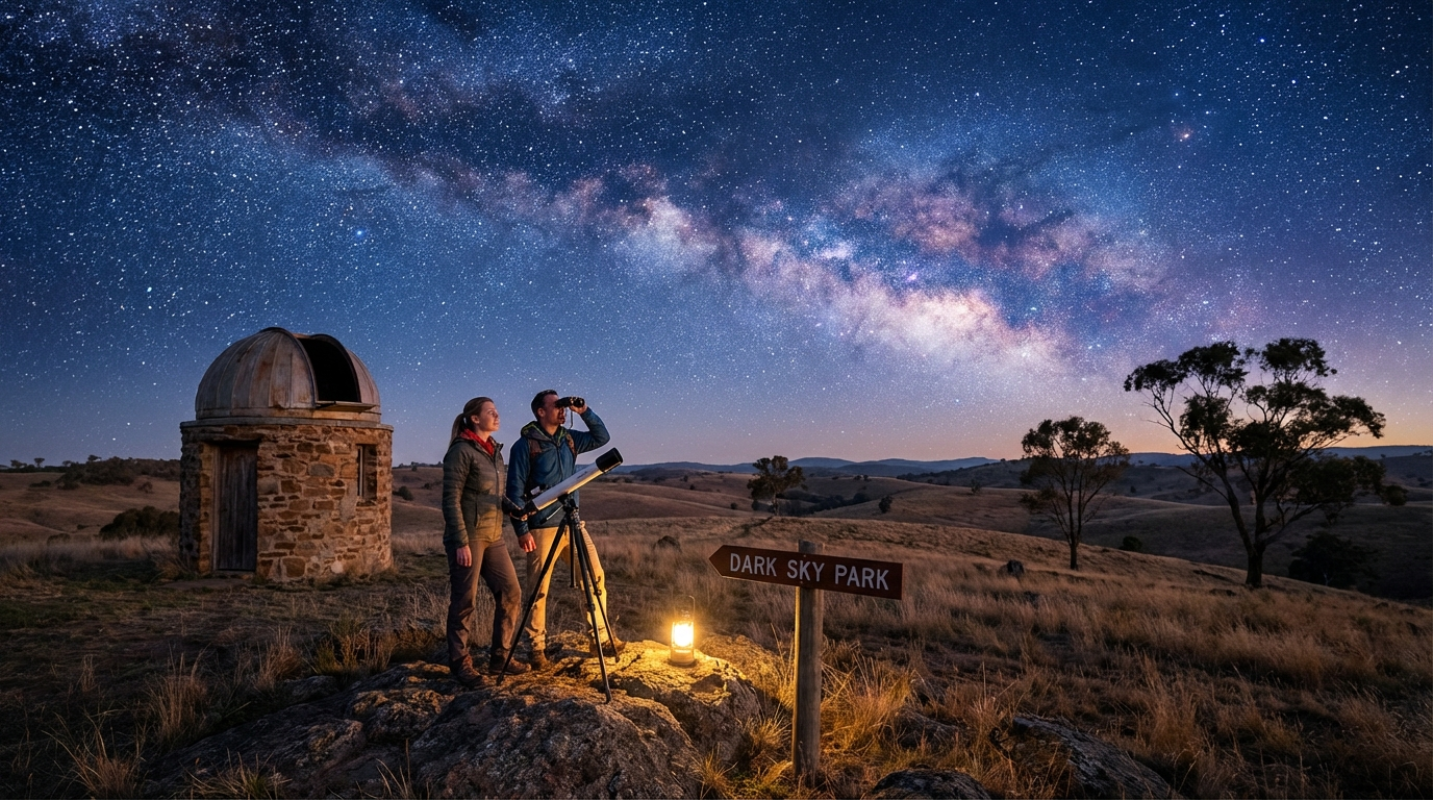
This region is also leading the charge in astro-tourism, capitalizing on its unpolluted night skies. AlUla, Saudi Arabia, was certified as the Middle East's first International Dark Sky Park, offering specialized "Stargazing Suites" with retractable roofs. It’s a powerful reminder that the greatest luxury is often the darkness itself.³
North Africa and the Canary Islands
For a taste of exotic adventure combined with cultural depth, North Africa, specifically Morocco, is unbeatable during the winter months. Marrakech serves as the active gateway, but the real prize is the journey into the Sahara.
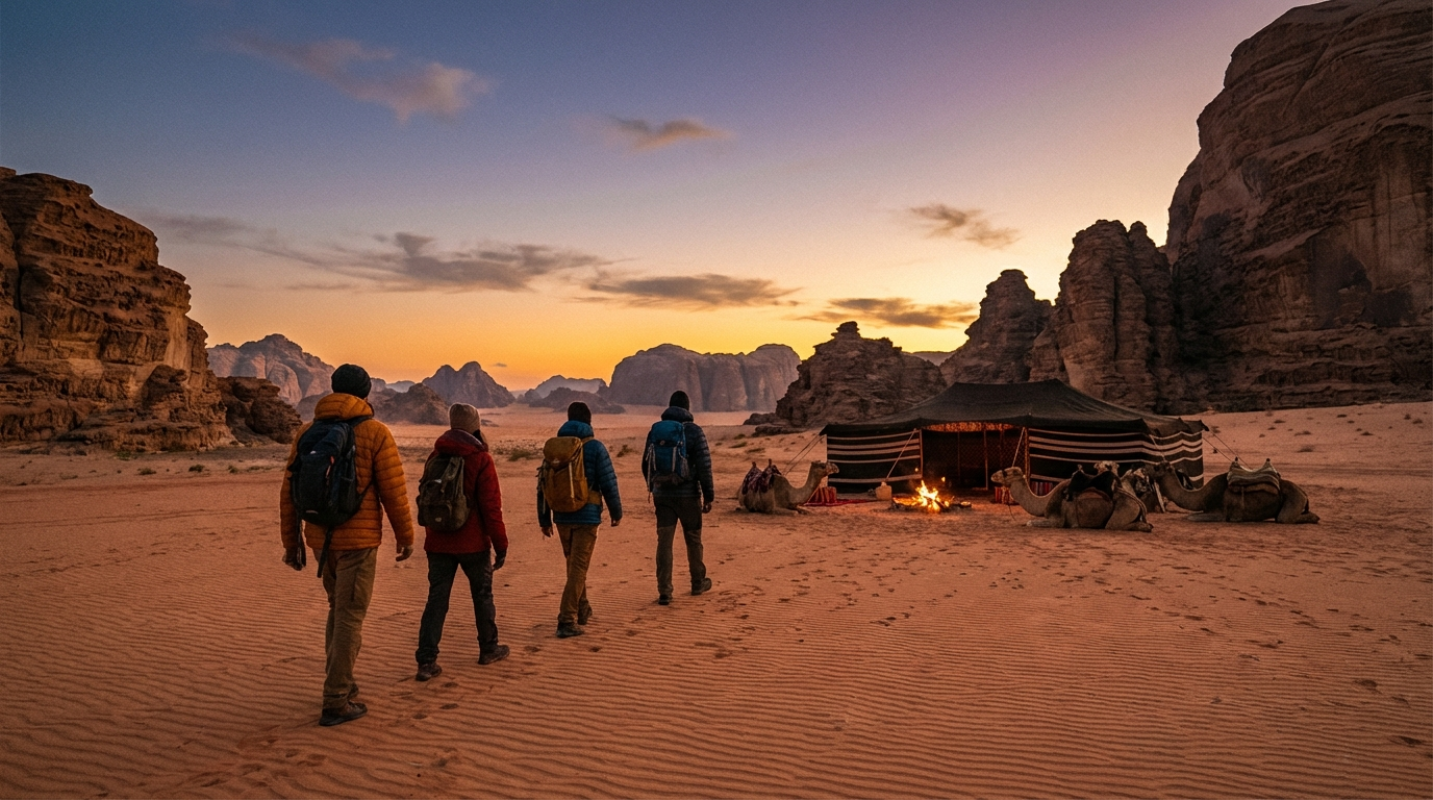
Destinations like Merzouga offer pleasant daytime temperatures between 18–20°C (64–68°F), making camel treks and exploration comfortable. Be warned, though: the desert nights are truly cold, dropping to near freezing, which means you’ll need to pack those layers. This is the perfect climate for active travelers looking to engage with local cultures, whether through High Atlas Mountain hikes or visiting remote Berber oases.
If you’re based in Europe and want a more straightforward, resort-based sun fix, look to the Canary Islands. These Spanish islands, located off the northwest coast of Africa, offer a distinct volcanic desert space. Islands like Lanzarote and Fuerteventura provide reliable sunshine and warm temperatures year-round, making them a highly accessible alternative. You get the dramatic desert scenery, but with the familiarity and infrastructure of a European holiday destination. It’s an ideal contrast to the deeper cultural immersion required in Morocco.
Sustainable Travel and Emerging Desert Destinations
The modern traveler doesn't just want luxury; they want conscious luxury. They want to know their trip isn't damaging the fragile ecosystems they traveled so far to see. This focus on "regenerative tourism" matters to the future of desert travel.
The Arabian Gulf is setting the bar high. The Red Sea Global project, which began welcoming guests in 2023, is explicitly regenerative. It emphasizes not just zero-carbon infrastructure but also aims to become the world's largest Dark Sky Reserve by enforcing strict lighting mandates and carefully capping visitor numbers. This level of environmental commitment is becoming the expectation, not the exception.
But what about truly emerging destinations?
Head south of the equator, and you hit the Atacama Desert in Chile. December and January are actually the Southern Hemisphere summer, meaning temperatures are quite warm, ranging from 24–28°C (75–82°F) during the day.⁷ The Atacama is famous worldwide for being one of the best locations for astro-tourism due to its altitude and dryness. It offers a different kind of desert experience - less about dune bashing and more about geological wonders, high-altitude lagoons, and scientific discovery.
In places like the Kalahari Desert in Namibia, the focus shifts to community-based tourism. Initiatives like the Tsumkwe Country Lodge allow visitors to experience life alongside the San people, learning about their 40,000-year history and survival skills. This trend aligns perfectly with the current demand for cultural immersion and supporting local economies directly.
Top Recommendations for a Warm Winter Escape
We’ve established that the desert is diverse: you can choose rugged adventure in Morocco, high-tech glamour in Dubai, or geological exploration in the Atacama. The key now is choosing the right experience for you and planning ahead.
Destination Selection
- Arabian Peninsula: Best for relaxation and guaranteed sun with ideal highs of 22–26°C.
- American Southwest (e.g., Sedona): Perfect for active adventure, hiking, and photography during mild winter days.
- Chile or Saudi Arabia: Prime locations for stargazing in certified Dark Sky Parks or high-altitude plateaus.
Essential Planning & Packing
- Microclimate Awareness: Daytime temperatures are inviting, but nighttime lows can drop by 20°C or more.
- Layering Strategy: Use light, breathable fabrics for sun protection during the day.
- Nighttime Gear: Pack heavy jackets, scarves, and gloves for campfires or stargazing sessions.
The Desert Advantage
- Offers clarity and warmth as an alternative to gloomy winter climates.
- Provides a humbling experience through the vast scale of nature.
- Encourages trading snow boots for hiking sandals to explore the world’s most exciting arid regions.
Sources:
1. Desert Tourism Market Valuation Expected to Hit USD 67.34
2. Moab Temperatures by Month Average
3. Astro-Tourism in the Desert: The Luxury of Darkness in 2026
4. The Atacama Desert Weather and Best Season
The information provided on MyUSAI regarding travel destinations, including but not limited to routes, prices, cultural descriptions, and historical data, is for general informational and educational purposes only.