 (Image source: Gemini)
 When you picture world-class outdoor adventure, your mind probably jumps straight to the Rocky Mountains, the Pacific Northwest, or maybe the arid canyons of the Southwest. You’re likely not picturing Michigan, Wisconsin, or Minnesota. But that outdated perception of the Midwest as merely "flyover country" is precisely why the region is the best-kept secret in American recreation right now.
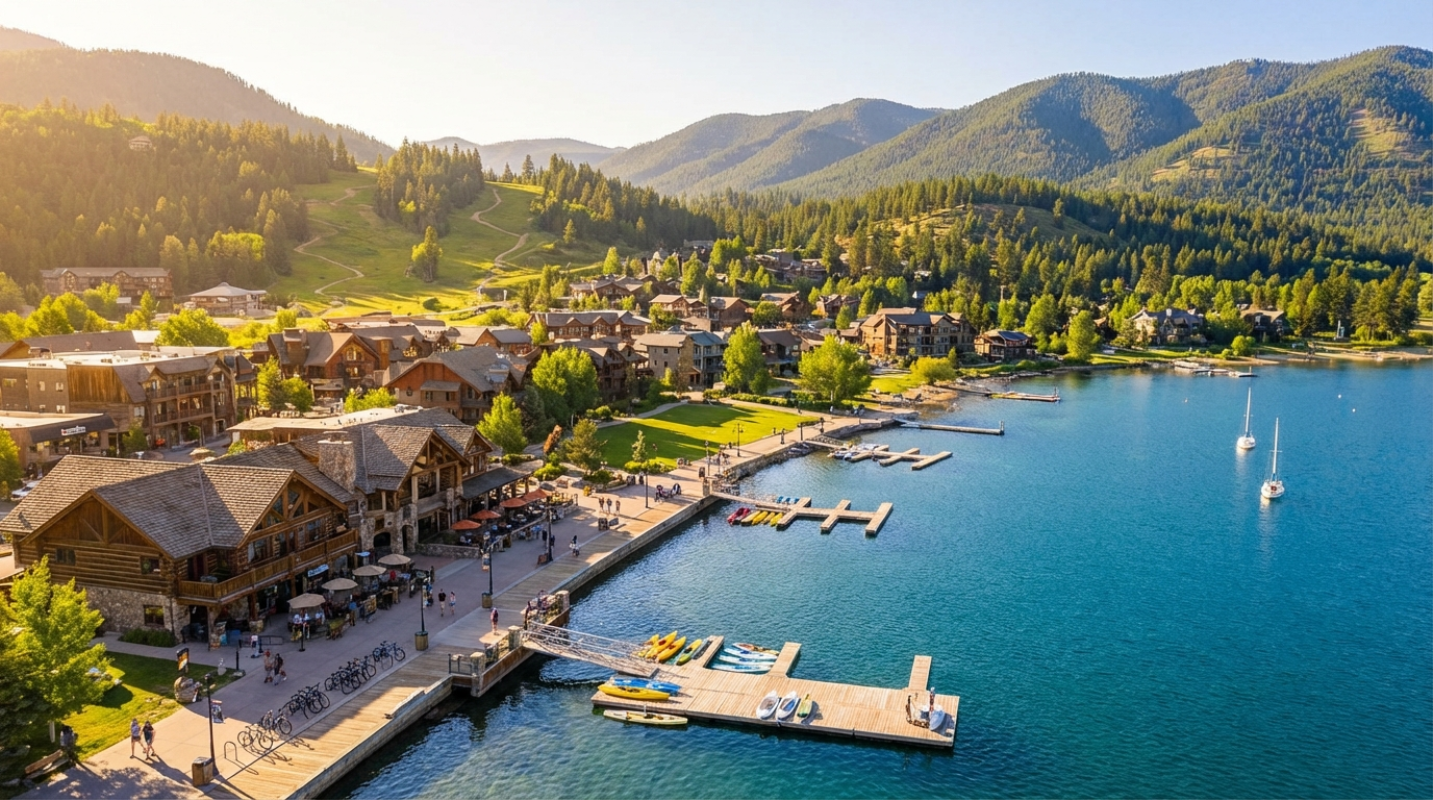
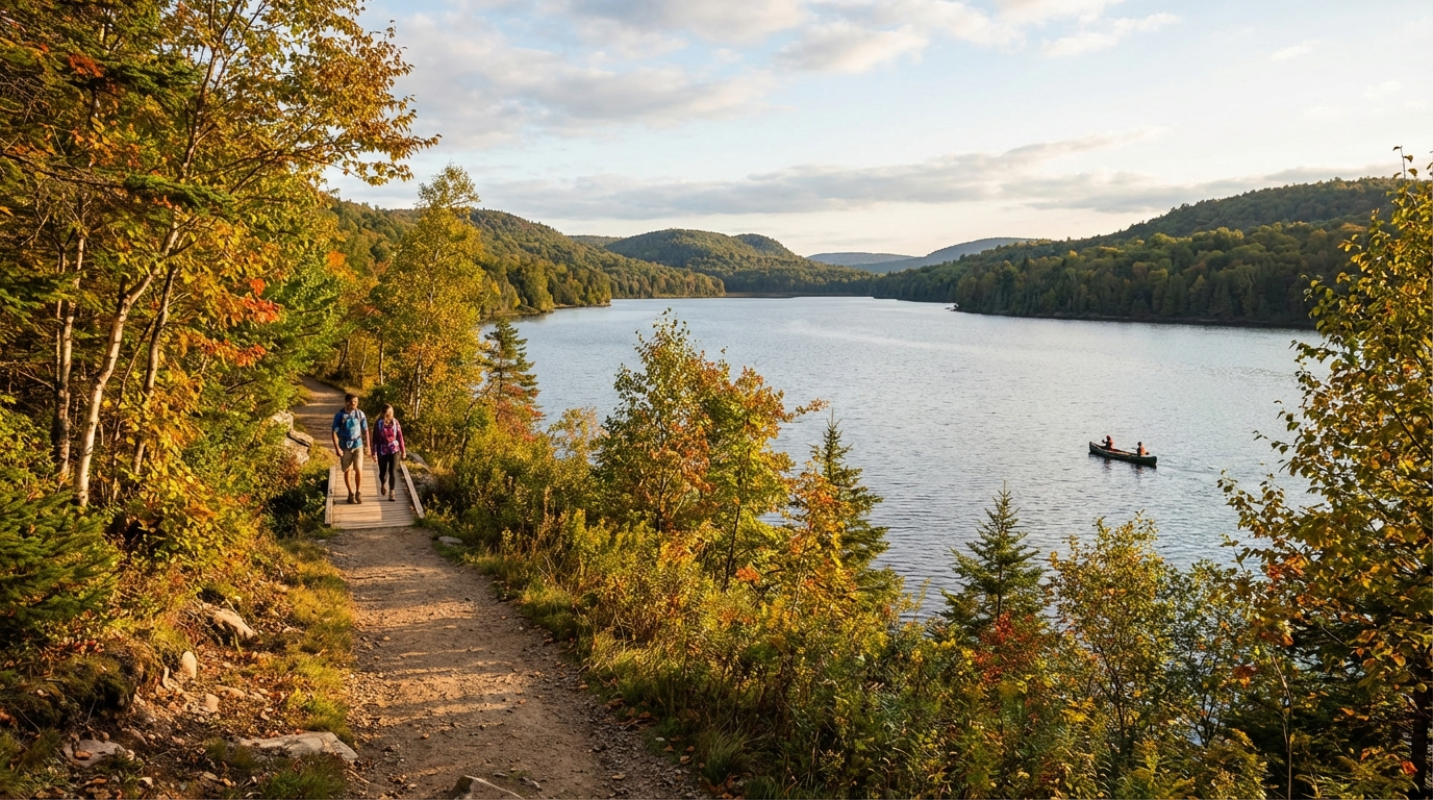
The truth is, the Midwest is defined by water. It’s home to the planet’s largest freshwater system, thousands of inland lakes, and a sprawling, connected network of river valleys and deep forests. Importantly, the outdoor experience here is incredibly accessible, often located within a short drive of major metropolitan hubs, and significantly less crowded than the national parks out West.
The focus isn’t just on the lakes themselves, but on how seamlessly the region integrates its water resources with its trail systems. We’re talking about world-class kayaking paired with epic gravel cycling routes, all centered around a growing movement toward modern, sustainable nature stays. If you’re looking for high-quality, accessible adventure, the Midwest is where you need to be.
Iconic Shorelines and Epic Cycling
You can’t talk about Midwest water without starting with the Great Lakes. These aren't just big lakes; they are inland seas, offering dramatic coastlines, towering dunes, and a scale that demands respect.
Destinations like Michigan’s Sleeping Bear Dunes or Wisconsin’s Apostle Islands have long drawn crowds for their natural beauty. But the real game-changer is the ambitious effort to connect these iconic spots with continuous, non-motorized trail systems.
The Emerging Great Lakes Waterfront Trail
Imagine cycling or walking the entire U.S. shoreline of the Great Lakes. That’s the goal of the U.S. Great Lakes Waterfront Trail initiative, a massive undertaking designed to create a continuous greenway route. This project is making serious headway, receiving technical assistance grants and mapping efforts to connect trails across 84 counties.
The immediate payoff for travelers is seeing segments of this vision come to life. Indiana’s Marquette Greenway, like, is a key piece of the puzzle, already 76% complete with 60 miles mapped and ready for use.² This means you can plan multi-day bike-packing trips that flow naturally from city parks to pristine coastal views, all without fighting vehicle traffic.
These Great Lakes spots aren’t just for summer, either. Although kayaking and sailing dominate the warmer months, the winter transforms the space. Like, when the conditions are just right, the Apostle Islands offer stunning ice caves, making the region a true year-round destination for intrepid hikers and photographers.
Inland Gems Discovering the Driftless Area's Hidden Waters
Head south and west from the Great Lakes, and you enter a geological anomaly that feels entirely separate from the rest of the region: the Driftless Area. This 24,000-square-mile pocket, spanning parts of Wisconsin, Minnesota, and Iowa, was bypassed by the last continental glacier. What you get are stunning, deeply carved river valleys, towering limestone bluffs, and crystal-clear, cold-water trout streams.
If you’re tired of crowded, dusty hiking trails, the Driftless is your answer.
Climbing, Paddling, and Uncrowded Trails
The lack of glacial flattening created dramatic topography, making this area a haven for climbers and paddlers. Devil’s Lake State Park in Wisconsin, like, is internationally recognized, having approximately 1,500 traditional routes on its ancient quartzite cliffs.⁵
For the trail runner or backpacker, Wisconsin’s focus on the Ice Age National Scenic Trail is also paying off. Recently designated as a national park unit, new sections are being completed for 2025 and 2026, improving the 1,200-mile experience and offering hikers the chance to explore the state’s unique glacial history.¹
But the ultimate Driftless experience involves the water. The Wisconsin River runs free for 92 miles down to the Mississippi, offering one of the Midwest’s best river camping adventures.⁵ You can put in at various access points, paddle until dusk, and set up camp on a sandy island - a perfect blend of trail and water immersion. Even the state parks in the region, like Iowa’s Pikes Peak State Park, offer spectacular bluff views that make you feel like you’re hiking the Appalachians, not the Midwest.
Lake Life Elevated Modernizing the Cabin Experience
The ideal Midwest vacation used to mean a dusty, inherited cabin with knotty pine walls and maybe a leaky aluminum boat. That image is rapidly changing. Today’s lake life is focused on design, sustainability, and seamless access to adventure.
The cabin experience has evolved into "rustic luxury," driven by architects who understand that modern travelers want soaring windows and immediate trail access, not just nostalgia.
Designed for Nature
Across the region, new boutique stays are popping up that redefine the getaway. Take the rise of Scandinavian-designed rentals like the Nordlys cabins in northwest Wisconsin or the striking Anaway Place dwellings in central the Driftless Area. These spaces, featuring glassy walls and sleek, minimalist aesthetics, make sure that the view of the surrounding woods and water is the main attraction.
- Anaway Place - Located in Richland Center, WI, these dwellings, including the striking black Woodland House, prioritize design and immediate access to the Driftless terrain.
- Birch Le - Found on Michigan's Leelanau Peninsula, this cabin features soaring windows and sustainable features, placing you near both Great Lakes shoreline and inland trails.
- Hay Creek Cabins Retreat - Near Wisconsin Dells, this offers rustic luxury guest houses hidden in a nature preserve with numerous private trails.
This modern approach extends to the most remote destinations, too. In Minnesota’s vast Boundary Waters Canoe Area Wilderness, which offers thousands of miles of interconnected paddling and portaging routes, new sustainable camping initiatives are being implemented for the 2025 season.¹ This commitment make sures that even as demand grows, the pristine quality of the water and trails remains protected.
The benefit of these new accommodations is simple: your trail starts at your doorstep. You no longer have to drive 30 minutes to find a trailhead; you simply step out of your architecturally stunning rental and begin exploring.
Planning Your Midwest Expedition
Ready to trade the crowds of Yosemite for the quiet solitude of the Midwest? Planning your trip requires a slightly different approach than planning a mountain adventure, primarily because the region’s accessibility means you can be flexible.
Timing and Gear
The best time to visit the Midwest’s lake and trail systems is during the shoulder seasons - late spring (May-early June) and, especially, early autumn (September-October). The fall colors here are spectacular, the humidity is gone, and the crowds have thinned. You’ll also minimize encounters with the region’s most infamous resident: the mosquito.
Speaking of which, don’t skimp on gear. Although the trails are generally well-maintained, strong bug spray is mandatory during peak summer months. If you’re doing any serious river paddling or exploring the Boundary Waters, a high-quality water filtration system is non-negotiable.
The Investment in Connection
Accessibility is the key selling point, and local governments are continually investing in making the trails even better. Look at the Iowa Great Lakes Connection Trail project, which is working to complete a paved, 220-mile route from the Okoboji area down toward Des Moines. Construction is scheduled to continue through 2025, with nearly $1.8 million in grants secured for the first few phases.⁴ This kind of regional dedication means the trails you plan to visit today will only be more expansive and connected tomorrow.
The Midwest is no longer a stopover; it’s a destination. It offers world-class outdoor recreation that is quieter, cleaner, and often more design-forward than its coastal counterparts. It’s time to pack your bags, lace up your boots, and discover the lakes and trails that have been hiding in plain sight.
Sources:
1. Best Places to Visit in the Midwest in 2025
2. Great Lakes Moment: Creating a U.S. Great Lakes Waterfront Trail
3. Adventure Sports in Wisconsin's Driftless Area
4. Projects
5. Modern Cabin Vacation Rentals in the Midwest
The information provided on MyUSAI regarding travel destinations, including but not limited to routes, prices, cultural descriptions, and historical data, is for general informational and educational purposes only.