 (Image source: Gemini)
 Forget the sleepy postcard image of a lake town. The modern lakeside community lets you pull on your hiking boots, strap a kayak to your roof rack, and hit the water or the trails before 8 AM. If you’re looking to escape the crush of the city, these successful towns have figured out how to integrate their priceless natural assets with cutting-edge infrastructure. They aren't relying solely on summer tourists anymore. Instead, they’ve built year-round recreational economies that support full-time residents, remote workers, and adventure-seekers across all four seasons. This isn't accidental. It requires proactive planning, serious capital investment, and a deep focus on environmental stewardship.
So, how do a handful of communities transform a beautiful lake into a growing economic engine? The answer lies in engineering a complete outdoor recreation ecosystem. We’re going to look at the models that work, examining how they move beyond simple aesthetics to become true hubs for modern adventurers, regardless of geography or recreational niche.
The Foundation Needed Infrastructure Supporting Year-Round Activity
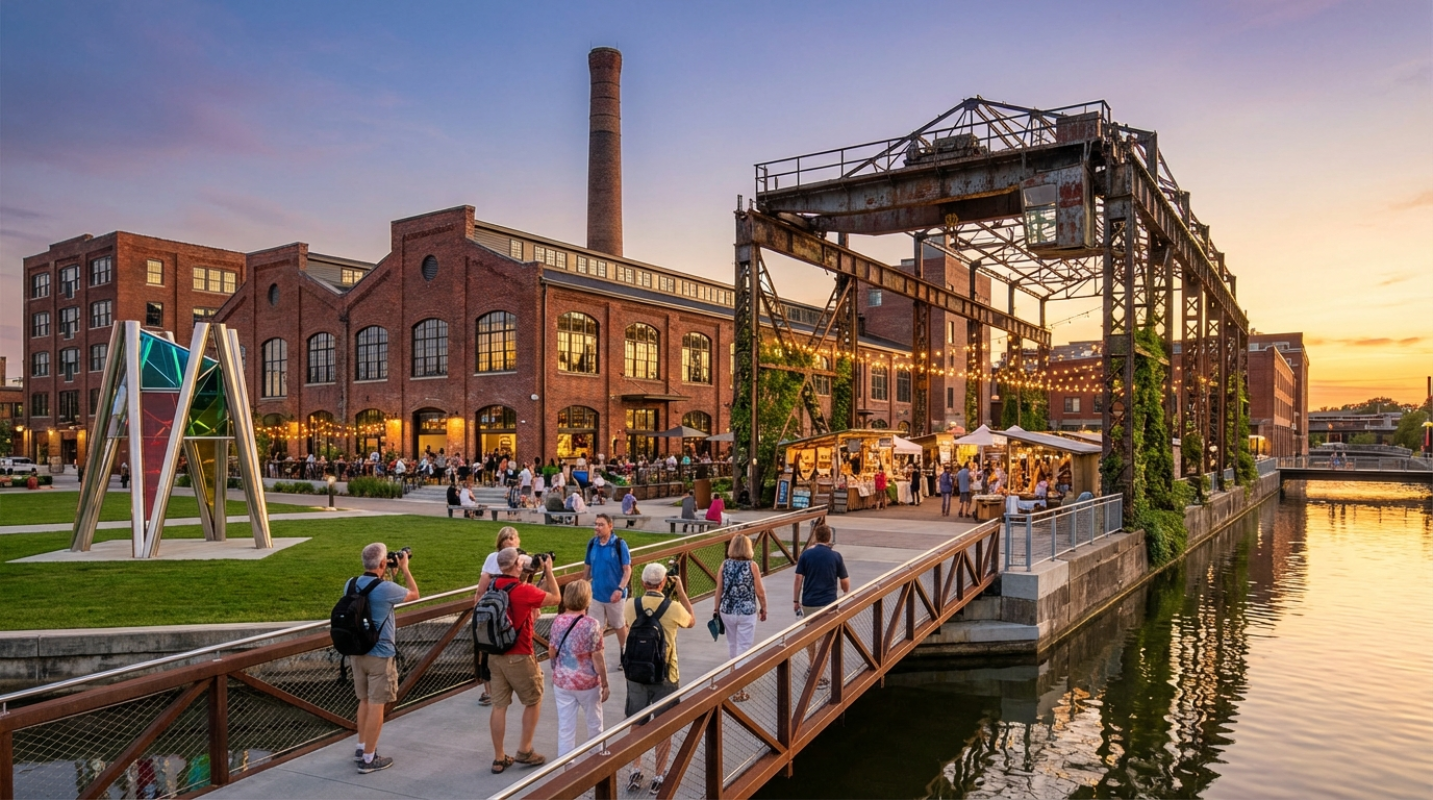
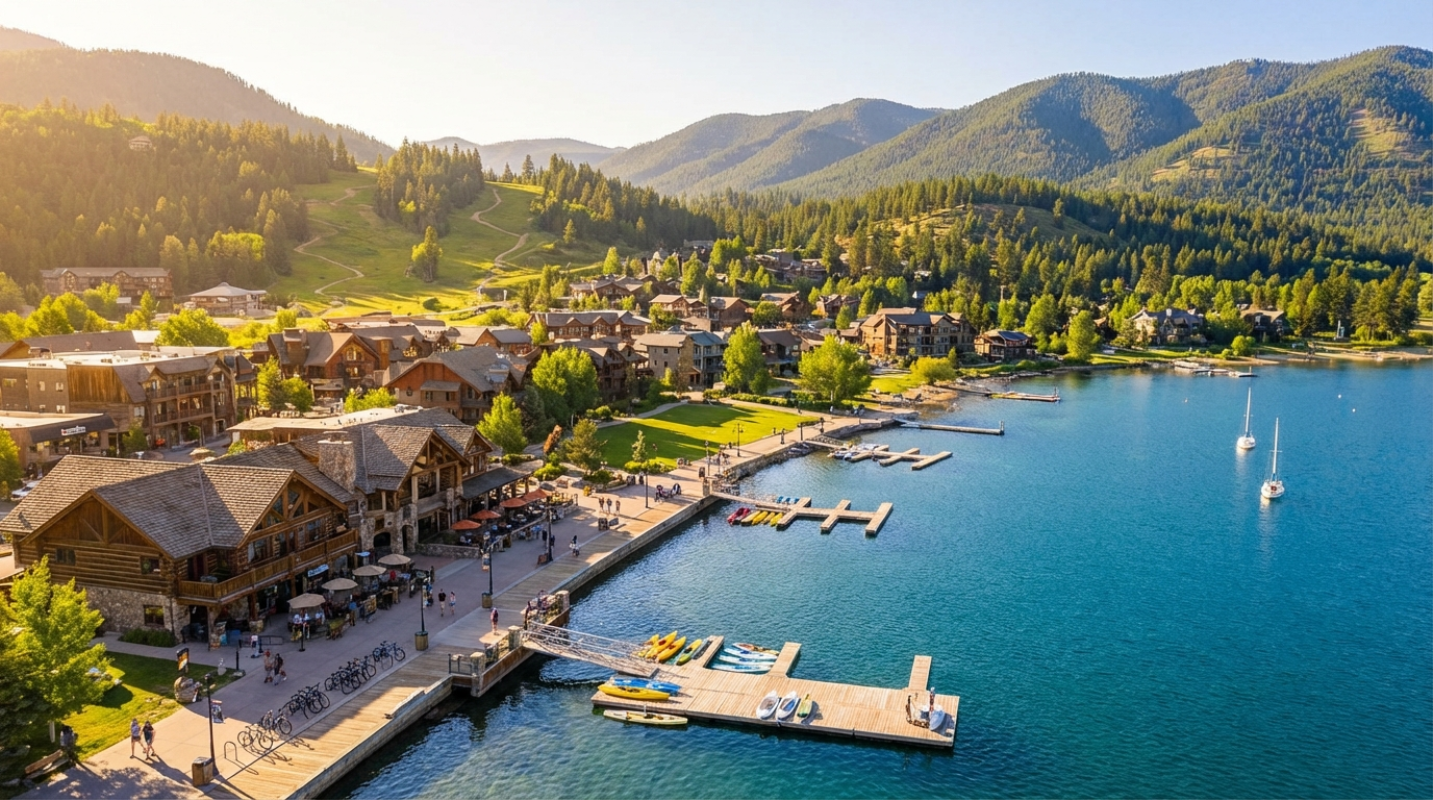
When we talk about infrastructure in a lakeside town, most people immediately picture docks and marinas. But the reality is far more complex if you want to attract and retain a modern recreation economy. The foundation of a successful outdoor town is built on specialized gear rental facilities, expertly maintained trail networks, and accessible public access points that don't require you to own a million-dollar lakefront home.
Municipalities in these areas have become smart planners. They recognize that recreation isn't just a bonus; it’s the primary economic driver. This means zoning for mixed-use development near water access points, making sure that the local bike shop or paddleboard outfitter can easily operate downtown. Plus, they are prioritizing resilient infrastructure that can handle the impacts of climate change, such as flooding or wildfire risk².
A important modern necessity is accommodating new technology. As electric vehicles (EVs) become standard, providing EV charging infrastructure near trailheads and public boat launches is needed for drawing in visitors from major metropolitan areas¹. Think about South Lake Tahoe, California/Nevada, where the teamwork between mountain and lake recreation has significantly increased the average home value. That level of success only happens when the town invests heavily in facilities that make it easy for you to play, whether you’re swimming in July or skiing in January.
Diverse Recreation Ecosystems - Water Sports, Trails, and Winter Appeal
A truly successful lakeside town must master the art of "Activity Stacking." It can’t just rely on the three months of summer when the water is warm. It needs diverse offerings that guarantee visitor flow throughout the year.
The summer core, of course, revolves around the water. This includes everything from quiet paddling and trophy fishing to more active motorized sports like wakeboarding. Local businesses thrive by supporting these activities, offering guided tours and equipment rentals. But the real ingenuity comes in the shoulder seasons.
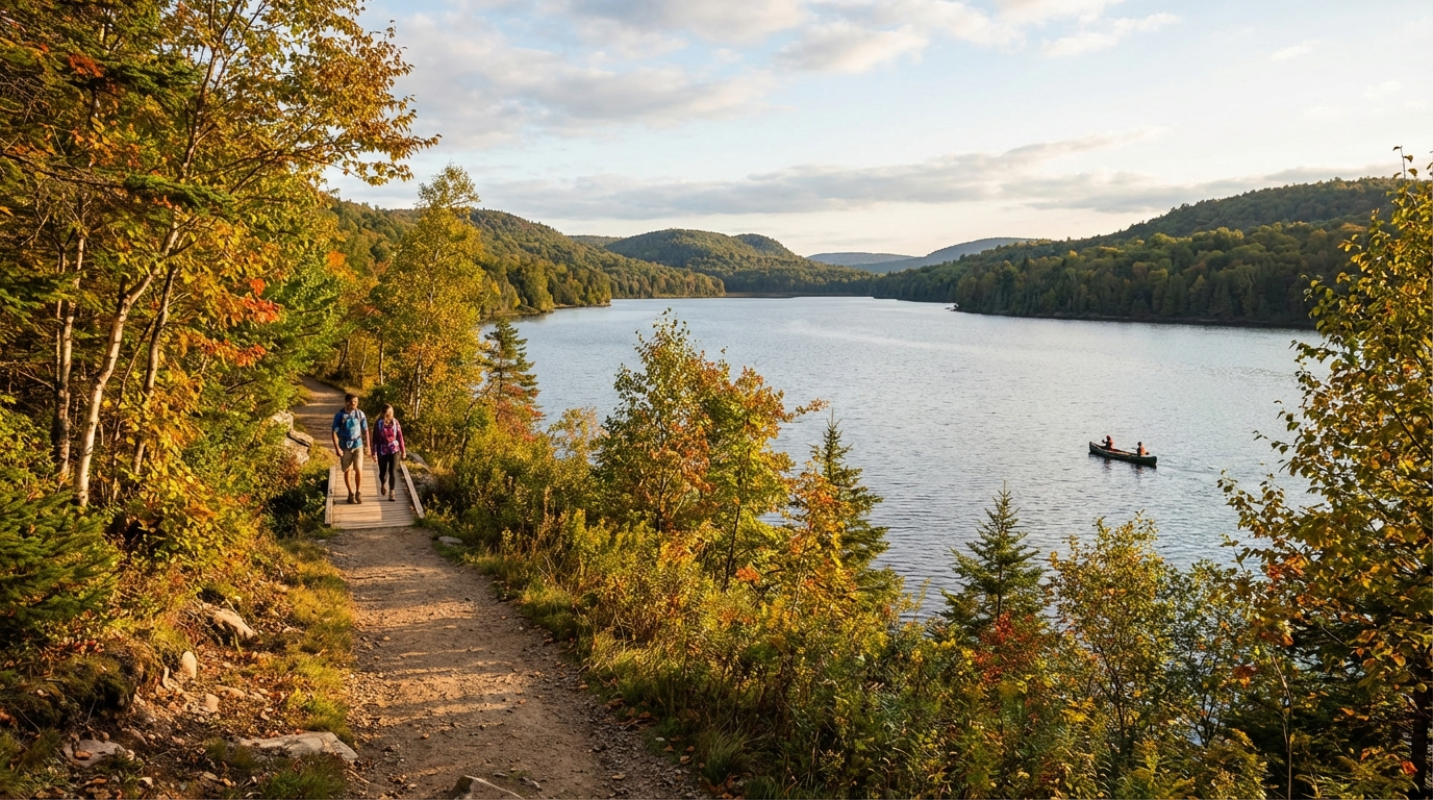
Successful towns make sure their trail networks branch directly from the lake into surrounding forests and mountains. When the water turns chilly, the mountain bike trails heat up. This is important for maintaining employment and tourism revenue in the fall. Take the example of Gilford, New Hampshire, on Lake Winnipesaukee. It transitions seamlessly from a summer boating haven to a peak leaf-peeping destination, and then, importantly, shifts its focus entirely inland to Gunstock Mountain Resort for winter skiing.
The winter appeal is perhaps the most challenging, yet most important, component. Although downhill snow sports generate billions in annual economic activity nationwide, many U.S. ski areas have lost substantial revenue due to shorter seasons and increased snowmaking costs³. This climate vulnerability forces towns to diversify. Communities like Green Lake, Wisconsin, emphasize activities that thrive when the lake freezes, offering snowmobiling, fat-tire biking, and cross-country skiing, making sure that the "small-town resort feel" persists even under a blanket of snow.
Recreation as the Primary Economic Driver
The economic impact of these recreation ecosystems is substantial, moving far beyond souvenir sales. In places like Colorado, outdoor recreation accounted for 3.2% of the state's Gross Domestic Product (GDP) recently. The numbers are staggering: water-based activities like boating and fishing generated $689 million in economic activity, while snow-related recreation added $1.56 billion³. This isn’t pocket change; it’s the lifeblood of the community.
This economic revitalization is measured through tourism revenue and local job creation within the service and outdoor gear sectors. Plus, the quality of life fueled by high-caliber recreation has become a massive draw for the modern remote worker. If you can choose where you live, and your job is flexible, why wouldn't you choose a place where you can easily paddle before logging onto Zoom? High-quality recreation supports the influx of telecommuters seeking that important lifestyle balance.
But rapid growth presents a constant challenge: sustainability. Balancing economic growth with the environmental preservation of the lake is paramount. If the water quality declines, the entire economy collapses. Communities must invest heavily in conservation efforts, invasive species control, and ensuring public access doesn't overwhelm the fragile ecosystem. It’s a delicate balancing act that requires Destination Stewardship, involving local communities in maintaining the cultural and environmental integrity of the area⁴.
Leading Lakeside Communities for the Future
- Newport, Vermont - A prime example of proactive planning, Newport is currently implementing a "four-seasons" master plan. By revitalizing its waterfront and recreation trails with infrastructure designed to withstand frequent flooding, the city is transforming into a year-round destination that supports a robust outdoor recreational economy.
- Banff and Lake Louise, Alberta - These iconic lakeside areas are leading the way in "winter product" development. By investing millions into non-weather-dependent events—such as the Flying Canoë Volant and major music festivals—they generate stable, year-round employment and significant economic impact, even when the snow forecast is uncertain.
- Duluth, Minnesota - Located on the shores of Lake Superior, Duluth has become a hub for the "Initiative for Resilient Great Lakes Coasts." The city is actively restoring its shoreline and recreation areas, such as Park Point, using nature-based solutions to combat erosion while maintaining its status as a top-tier destination for water-based careers.
- Lahti, Finland - As a pioneer in "Smart Tourism," Lahti uses a dedicated digital Route Map app to guide visitors through sustainable hiking, kayaking, and cycling trails. This digital-first approach helps the community preserve its environmental heritage while providing a local-expert experience for every visitor.
- Traverse City, Michigan - Consistently ranked as a top lake town, Traverse City excels at blending its freshwater assets with a diverse economy. Its commitment to maintaining high-quality marinas and scenic coastlines along Grand Traverse Bay makes it a magnet for both leisure boaters and professional maritime industries.
- Gilford, New Hampshire - Situated on Lake Winnipesaukee, Gilford offers a "dream forever home" environment with a strong focus on four-season activity. From summer wakeboarding to peak leaf-peeping in the fall and proximity to major ski resorts, it exemplifies the dynamic, active lifestyle that keeps a local economy buoyant across every season.
Sources:
2. Future-Proofing the Outdoor Recreation Economy
3. Colorado Department of Natural Resources Performance Plan FY24-25
4. Tourism business plan aims to boost overnight winter visitation in Banff Lake Louise
5. Best Lake Towns to Live Year-Round
The information provided on MyUSAI regarding travel destinations, including but not limited to routes, prices, cultural descriptions, and historical data, is for general informational and educational purposes only.