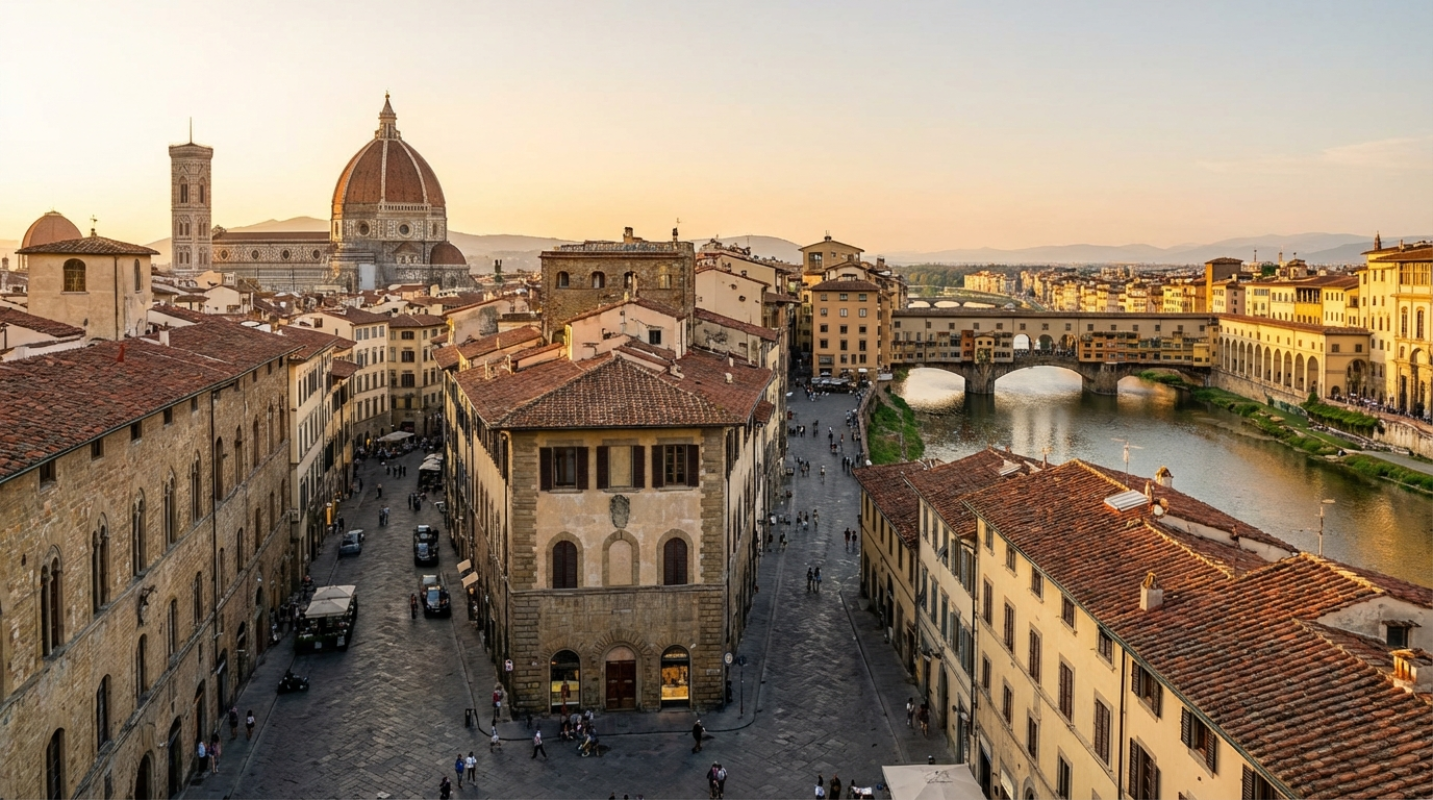
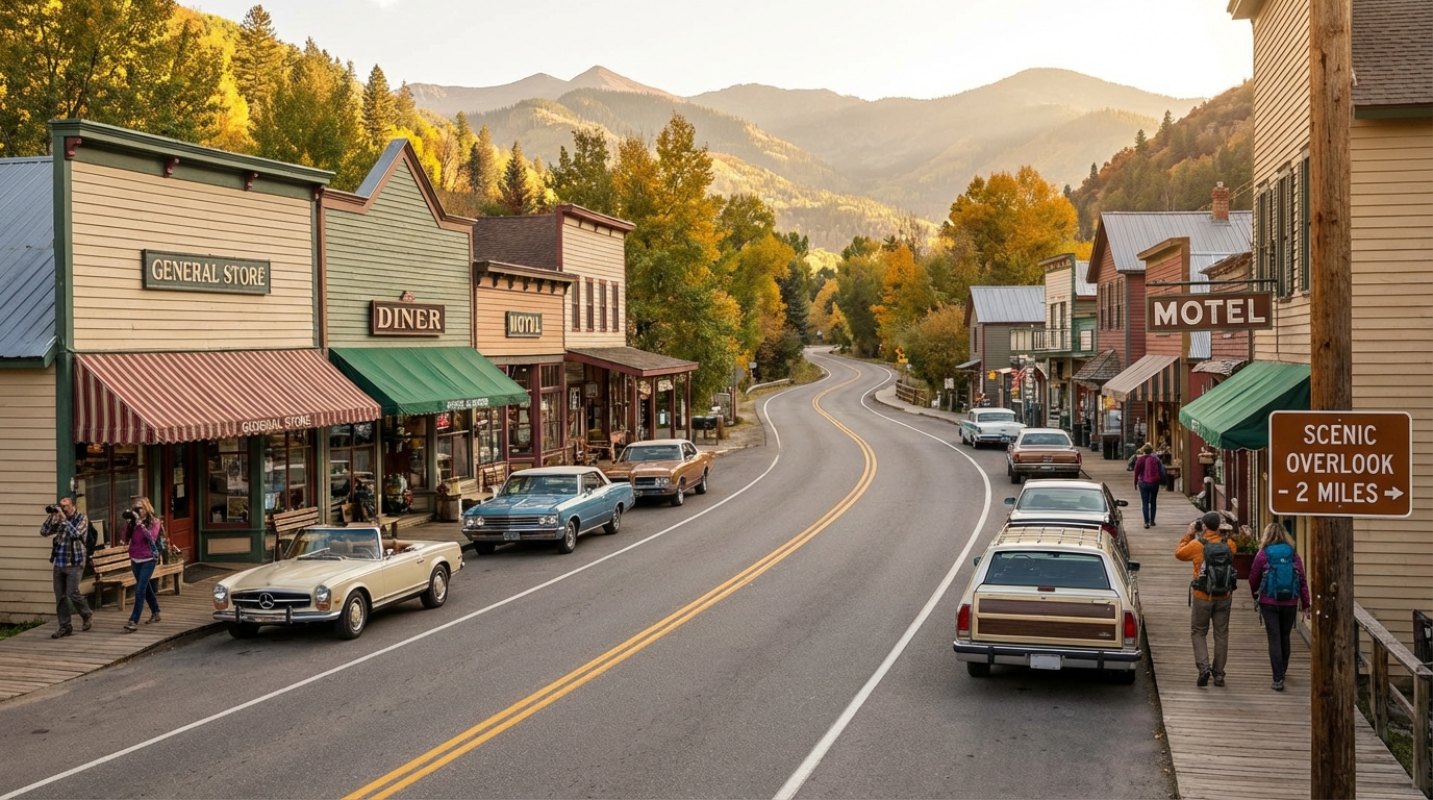
 (Image source: Gemini)
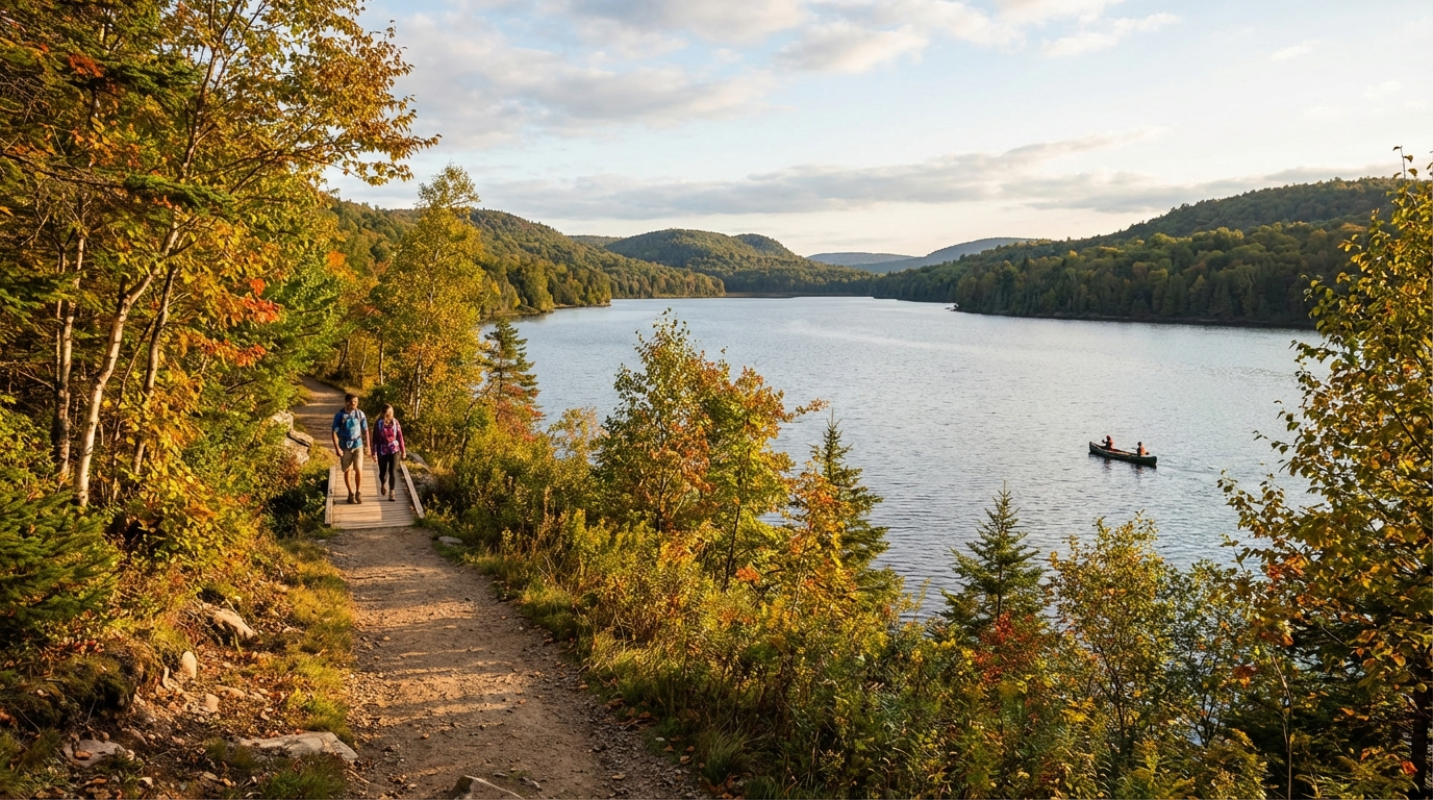
 The American road trip is a cultural pilgrimage. It’s the feeling of freedom you get when the GPS is off and the only map that matters is the one in your head. For decades, we’ve cherished the idea of the open road, but in the current travel climate, that desire for unhurried exploration has intensified. We’re moving away from the frantic pace of trying to see five cities in three days and embracing "slow travel," focusing on the journey just as much as the destination.
This shift has put a spotlight on America’s designated scenic routes: the National Scenic Byways and All-American Roads. These aren’t merely shortcuts; they are federally curated experiences, selected for their archaeological, cultural, historic, natural, recreational, or scenic qualities. They are the arteries of domestic tourism, and they feed a whole ecosystem of small towns built, sometimes literally, around the traveler who stops for the view.
The data confirms this trend. Although global travel is recovering, domestic leisure travel is leading the charge. In 2024, travel spending in the U.S. directly generated $1.3 trillion in economic output, supporting over 15 million jobs. Americans are actively rediscovering the unique attractions and natural beauty of their own country, and 69% of consumers were planning a road trip for summer 2025. That’s a massive audience of drivers looking for something more compelling than the next chain hotel off the interstate.
How Byways Fuel Local Economies
When a family pulls off a scenic byway, they aren't just passing through; they are injecting immediate, key revenue into a local economy that often desperately needs it. This is the symbiotic relationship between the road and the town: the road brings the traffic, and the town provides the reason to stop.
The economic impact is staggering when viewed regionally. Consider the Volcanic Legacy Scenic Byway spanning California and Oregon; it generates $163.6 million in total business sales in its six-county region. Likewise, the Paul Bunyan Scenic Byway in Minnesota contributed $21.2 million in sales and funded 331 jobs. These are not figures based on massive corporate resorts; these are dollars spent at the locally owned diner, the independent gas station, and the family-run art gallery.
Federal support recognizes this necessity. After a period of limited funding, the National Scenic Byways Program was reorganized, with the Federal Highway Administration announcing $21.8 million in grants for 33 projects across 29 states in 2023, and a total of $27.5 million was made available for FY 2023 and 2024 projects. This money helps towns improve signage, build pull-offs, and maintain the very infrastructure that keeps the travelers coming.
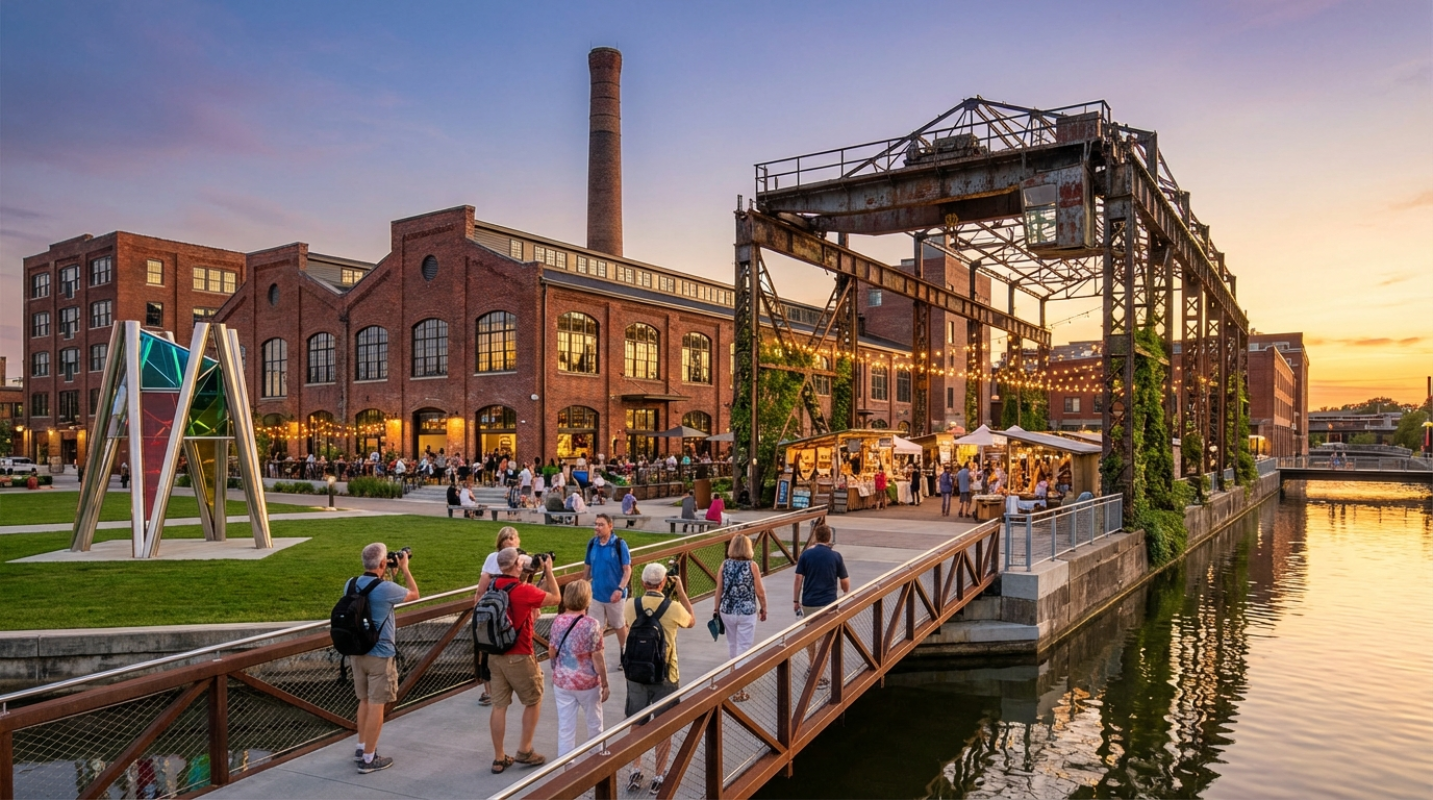
But success isn't automatic. Towns that thrive have successfully pivoted their identity toward the road-tripper. They use approaches like the Main Street Four Point Approach, a preservation-based tool that encourages investing in downtown reorganization. Emporia, Kansas, provides a great example, focusing on façade improvements and reducing vacancies to make the downtown a destination, not just a pit stop.
The challenge, of course, is balancing preservation with commercialization. You have to maintain the historic character that drew the designation in the first place, while still making enough money to keep the lights on. It’s a delicate dance between maintaining authenticity and providing modern comfort.
Signature Experiences in Road-Trip Towns
What compels a traveler to bypass a major highway for a winding, two-lane road? It’s the promise of a signature experience. Scenic byway towns understand that the true value lies in providing something unique, something you can’t download or stream.
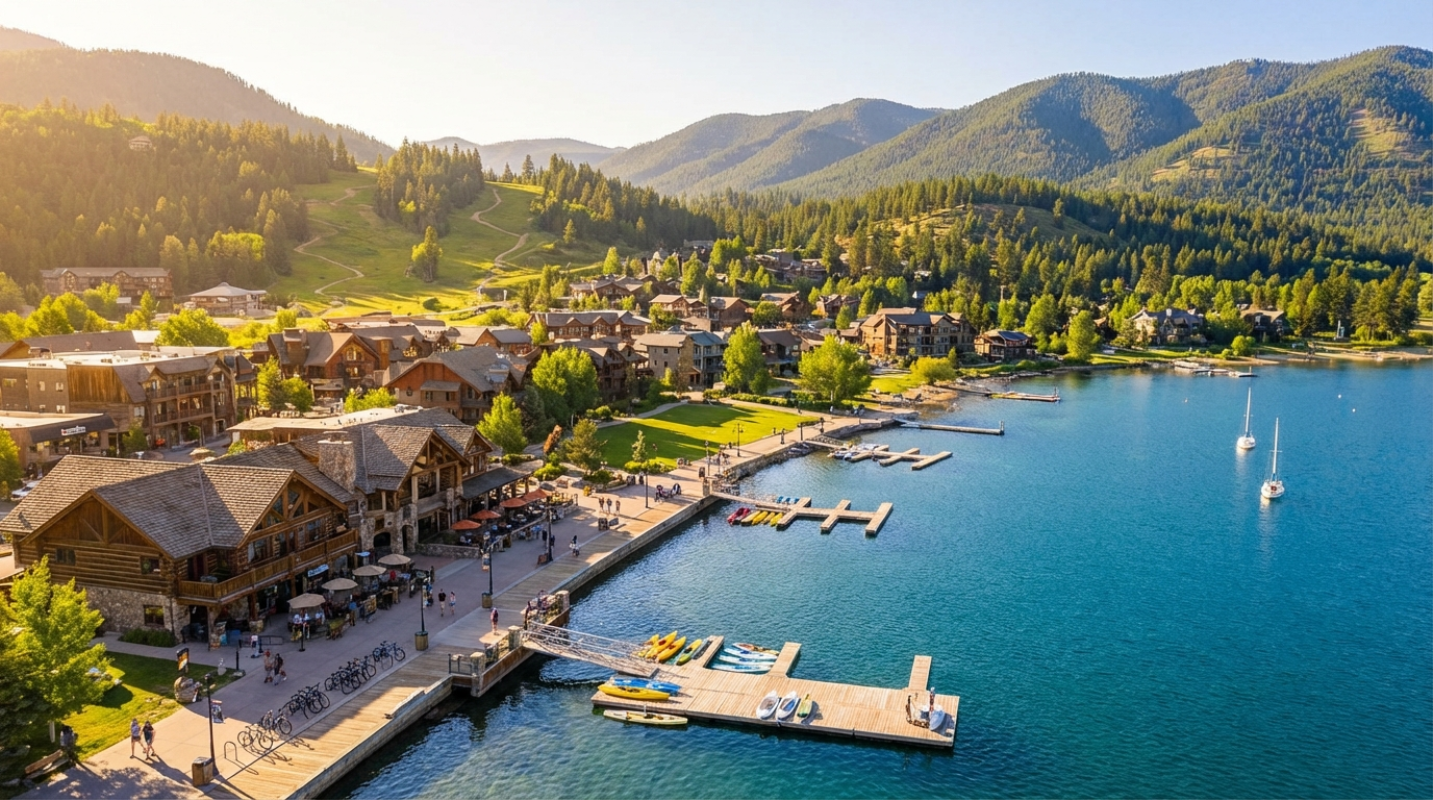
These towns often coalesce around distinct themes. You might find a town focused entirely on geological wonders near Utah’s Scenic Byway 12, or an artistic community in the hills of New Mexico, or a music heritage hub along the Natchez Trace Parkway. The common thread is localization; these experiences are built on local storytelling and culinary history. Think cooking classes focused on regional ingredients, farm stays that connect visitors directly to the source, or wine tasting tours that only feature grapes grown within a twenty-mile radius.
The role of infrastructure here matters. Road-trippers are increasingly seeking unique lodging that matches their adventurous spirit. They’re skipping the generic chains and searching for boutique motels that honor the mid-century road culture, restored historic guesthouses, or even camping sites that offer comfort while keeping them immersed in the space. This type of sustainable accommodation keeps tourism revenue within the local community, which is important for long-term survival.
Technology also plays a key role, but only when used correctly. The best byway towns use digital guides and apps not to replace the experience, but to improve it. They offer digital maps that highlight local, hidden gems, or audio tours that explain the geological history passing by your window. It’s the digital equivalent of having a knowledgeable local riding shotgun.
Top Recommendations for Your Next Byway Stop
If you’re ready to trade the freeway for the scenic route, these towns offer unparalleled experiences built specifically for the road-trip tourist
- Music Heritage, Find small venues and historic markers dedicated to regional sounds, often hosting year-round events to draw consistent foot traffic.
- Artistic Communities, Look for towns with high densities of independent galleries, working studios, and public art walks. These places encourage visitors to linger downtown.
- Geological Wonders, Destinations near national parks or unique formations that offer specialized guided tours focusing on local ecology and history.
- Culinary Trails, Towns that have curated food experiences, linking local farms, specialty diners, and unique markets into a cohesive, drivable trail.
Sustainability and Authenticity
The modern traveler is more conscious than ever. They’re asking tough questions about where their money goes and what impact their journey has. This means that scenic byway towns must address contemporary expectations, namely the demand for sustainable and eco-friendly tourism options.
The focus must shift from getting the most from visitor numbers to getting the most from the quality of the visitor experience and minimizing environmental impact. For communities, this means promoting shoulder seasons with niche events, thereby managing the visitor flow and reducing congestion during peak summer months.
More important than sustainability is authenticity. No one drives 500 miles on a winding road just to find a corporate tourist trap. Travelers want to hear authentic local voices. They want to buy a piece of art made by a resident, not a mass-produced souvenir. They want to eat at the greasy spoon diner where the cook knows everyone by name.
To truly appreciate these places, you have to slow down. That’s the entire point of the byway. Stop when something catches your eye. Talk to the cashier. Ask the hotel owner for dinner recommendations. Engage locally. By doing so, you’re respecting the unique character of a destination that has fought hard to preserve its identity against the homogenizing forces of the modern world.
Changing Byways for the Next Generation of Drivers
The scenic byway system faces challenges, particularly related to maintenance. Many of these roads were built decades ago for smaller vehicles, meaning they are narrow, lack shoulders, and are often steeply graded. Attracting larger recreational vehicles to these two-lane corridors increases congestion and safety concerns. In fact, transportation-related assets in National Park Service sites, which include many scenic roads, had an estimated $6.2 billion maintenance backlog as of 2020.
But the future is also bright and innovative. New byway routes are emerging, focused on specific themes, such as routes dedicated to renewable energy sites or specialized culinary trails that highlight farm-to-table movements.
Perhaps the most significant change facing these routes is the rise of the electric vehicle (EV). The silent, emissions-free nature of EV travel perfectly matches the slow, immersive experience of a scenic drive. But that requires infrastructure. Byway towns and their management organizations are now grappling with the planning required to integrate charging stations seamlessly into their corridors, making sure that EV drivers can complete their journeys without range anxiety, while still preserving the rustic character of the route.
The information provided on MyUSAI regarding travel destinations, including but not limited to routes, prices, cultural descriptions, and historical data, is for general informational and educational purposes only.