 (Image source: Gemini)
 Walk through the sally port of an old fort today and you aren’t just looking at stone and mortar. You’re stepping into an operational memory machine. That’s the lasting allure of military architecture: it offers a tangible link to moments of national crisis and deep change. It tells us exactly where the line was drawn.
These aren’t just dusty ruins, either. The best examples are living history sites, often managed by the National Park Service, or sometimes, still partially functional military bases. They stand as strong anchors for the cities that grew up around them. We’re going to explore the key towns where military heritage isn’t just a tourist attraction, but is central to the community identity itself. If you want to understand how America defended itself, you have to start where the walls still stand.
The Bastions of the East
When we think of America’s oldest military heritage, we often picture massive stone structures designed to withstand cannon fire, structures built long before the United States even existed. These forts are preservation challenges of the highest order, dealing with centuries of weather and warfare.
Spanish Stone and Coastal Resilience
Take St. Augustine, Florida. It’s the oldest continuously occupied European-established settlement in the continental U.S., and its centerpiece is the formidable Castillo de San Marcos. Built between 1672 and 1695 by the Spanish, the Castillo is unique because it’s made of coquina, a local shell-stone that absorbs, rather than shatters, cannonballs.
This fort isn’t just popular, it’s absolutely packed. A busy Saturday can see the site host 3,500 visitors.¹ What’s fascinating about its current management is the focus on universal access. In a reflection of modern needs, the fort earned the Certified Autism Center™ designation in January 2025, proving that even a 350-year-old fortress can adapt to contemporary visitor needs.
But the Castillo faces a relentless enemy that no cannon could defeat: the sea. The constant saltwater spray and increasing storm surges require massive capital investment. A multimillion-dollar project is currently underway, funded by a recent disaster supplement bill, specifically to raise and rehabilitate failing seawalls. That’s what preservation looks like in 2026: a constant, expensive fight against the elements.
The Choke Point of the North
Further north, you find Fort Ticonderoga in New York. This site, reconstructed and maintained privately, was the key to the continent during the French and Indian War and the American Revolution. Controlling Ticonderoga meant controlling the route between Canada and the Hudson River Valley.
Its importance isn't just strategic geography; it’s about the tangible history you experience. You can stand where Ethan Allen and the Green Mountain Boys captured the fort in 1775, an important early victory for the colonists. The preservation work here often focuses on historical accuracy in reconstruction, using traditional masonry techniques to maintain the integrity of the 18th-century structure, keeping that history alive and accessible.
Forts of the Great Plains
The shift from the massive coastal stone defenses to the forts of the American West marks a total change in military function. These weren't built to stop navies; they were built to maintain supply lines, protect settlers, and manage or enforce treaties with Native American nations. They were temporary military outposts in a vast, harsh environment.
The Daily Grind of the Cavalry
Think about places like Fort Larned in Kansas. This post, now a National Historic Site, was operational during the height of the Indian Wars in the mid-19th century. Unlike the grand, permanent structures of the East, Larned focuses on the daily grind. The buildings are primarily timber and stone, often reconstructed to show the barracks, the commissary, and the officers’ quarters.
When you visit, the educational programming emphasizes the actual experience of the soldiers: the dragoons, the infantry, and the cavalry. You get a real sense of the isolation, the heat, and the constant tension that defined life on the frontier. These sites do an incredible job of using living history programs to show how important these relatively small posts were in shaping the American West. They are important educational tools, making sure the full, complex history of the era, including interactions with the Cheyenne and Arapaho, is shared.
Forts Protecting Strategic Waterways and Ports
The 19th century brought the golden age of American coastal defense, known as the Third System. These were massive, multi-tiered brick and granite fortifications designed to house heavy artillery that could sink any wooden warship crossing the harbor line. Many of these forts sit in towns that have since become major metropolitan hubs, making their preservation even more important for urban identity.
The Birthplace of the Anthem
In Baltimore, Fort McHenry National Monument is perhaps the most famous example of a coastal guardian, simply because of the events of 1814. It’s where Francis Scott Key watched the defense that inspired "The Star-Spangled Banner."
Fort McHenry isn’t just a tourist site; it’s a powerful economic engine for Baltimore. It generates significant economic activity, drawing visitors who spend money in local shops and restaurants.¹ When the Francis Scott Key Bridge collapsed in 2024, the subsequent efforts by the Army Corps of Engineers to fully reopen the Fort McHenry Channel showed the site's ongoing strategic and economic importance to the city. Its history remains entirely relevant to its present function.
The Fort That Started a War
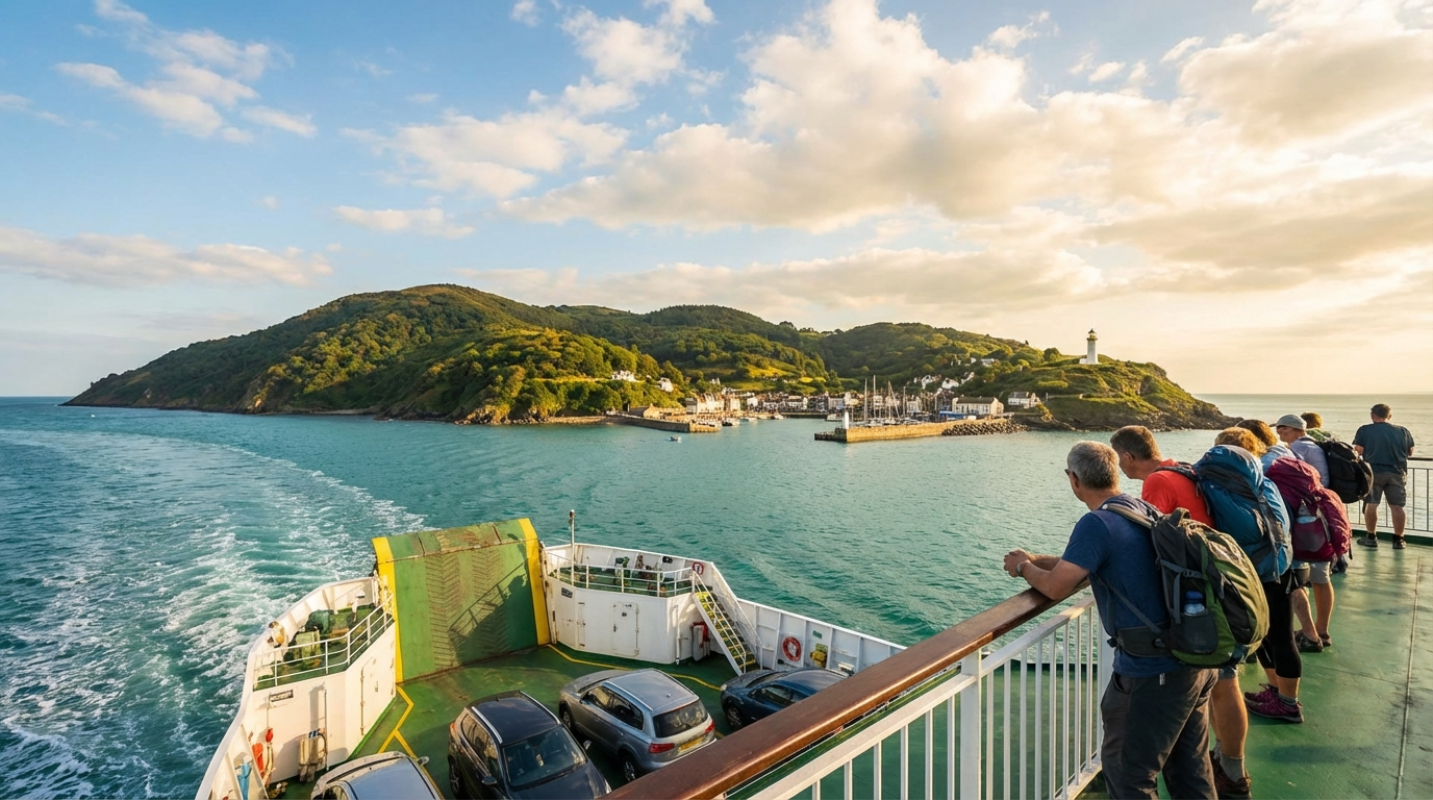
Then there’s Fort Sumter in Charleston, South Carolina. Built on an artificial island in the harbor, it’s the place where the first shots of the Civil War were fired. Visiting Sumter is a lesson in logistics because, today, it’s only accessible via a concession-operated ferry. You have to plan ahead and buy tickets in advance.
The National Park Service is currently developing a Visitor Use Management Plan for this area. Why? Because coastal erosion and sea level rise are actively threatening the structure. Fort Sumter, like many coastal fortifications, faces severe deterioration from salt spray, tide flooding, and stronger storm events, requiring constant maintenance and specialized planning to make sure its survival.³ When you see the waves lapping higher on the brick walls, you realize the past is literally being washed away by the future.
The Military Town Ecosystem: Living Heritage Beyond the Walls
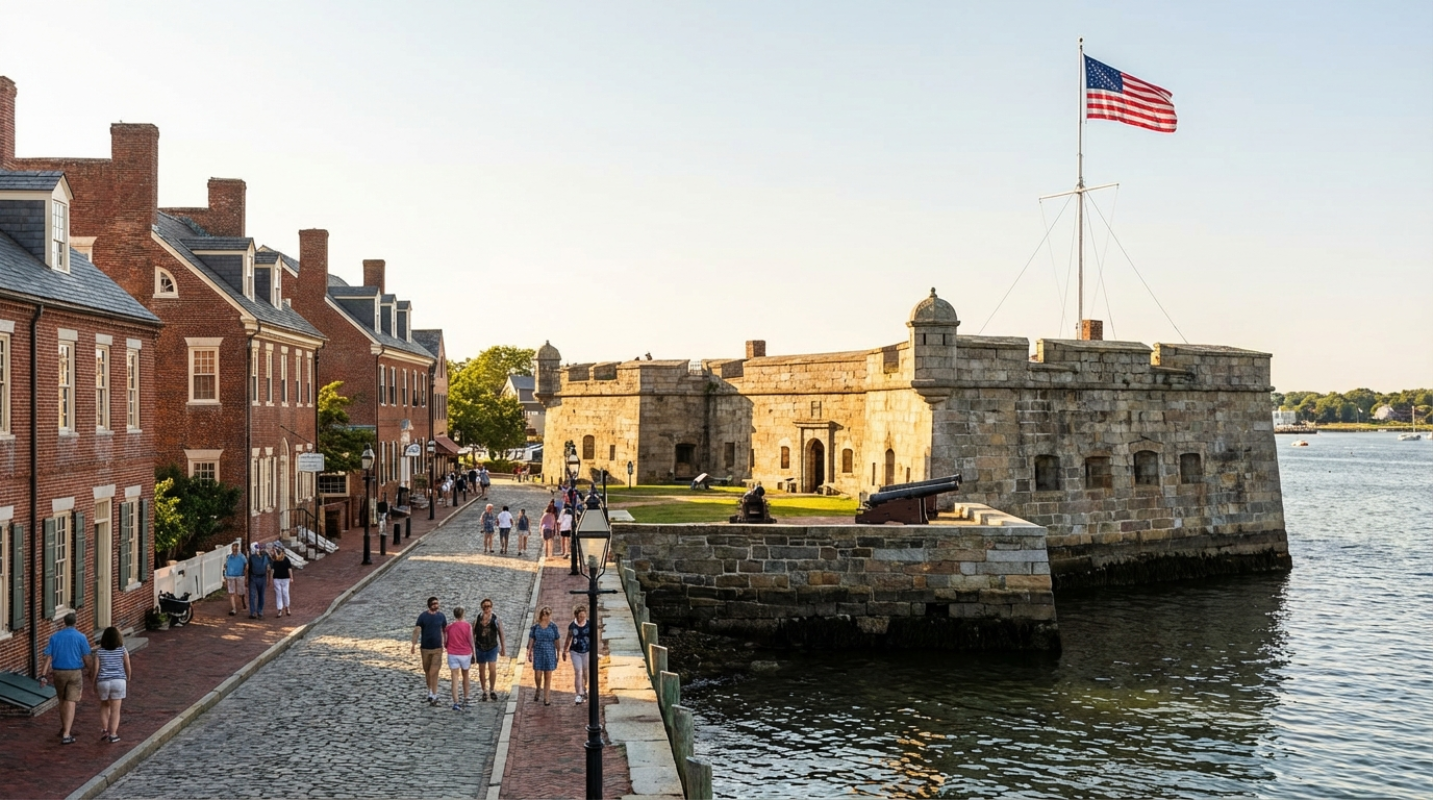
Preserved forts are fantastic, but what makes a historic military town truly special is the way the heritage permeates the community. It’s the integration of the post or academy with civilian life. Think about Annapolis, Maryland, home to the U.S. Naval Academy, or Carlisle, Pennsylvania, home to the U.S. Army War College. The history isn't contained by walls; it’s in the architecture, the local businesses, and the culture.
The most successful example of integrating military heritage into a modern urban fabric might be The Presidio in San Francisco. Established in 1776, this former military post is now a sprawling 1,491-acre public park. It welcomes over 5 million visitors annually, brilliantly blending its military history with natural beauty and cultural attractions. It’s the ultimate successful military base conversion.
This heritage tourism isn't a niche market anymore. It’s a massive economic driver. The U.S. heritage tourism market was estimated at USD 128.66 billion in 2024, and it’s projected to keep growing significantly. Who is driving this? Surprisingly, it’s the older generation. The 51 to 70 age group accounted for over half the market share in 2024, driven by retirement freedom and disposable income.² They want authentic cultural engagement and immersive activities, not just static displays.
If you’re planning a trip to one of these historic towns, you want to know which sites offer the best experience. Here are a few recommendations based on visitor engagement and preservation quality.
Top Recommendations for Immersive Heritage
- Fort Ticonderoga: Excellent for immersive activities and historical reenactments, especially focused on 18th-century warfare.
- Castillo de San Marcos: Best for viewing exceptional masonry defense techniques and understanding early Spanish colonial life.
- Fort McHenry: Ideal for patriotic significance and understanding the logistics of coastal defense during the War of 1812.
- The Presidio: Perfect if you want to see a successful conversion of a massive military base into a modern public park, blending history with outdoor recreation.
Defending the Future of the Past
The biggest threats today are environmental and financial. For the coastal forts, the constant moisture from saltwater intrusion rapidly weakens the brick and mortar. When maintenance is deferred, water moves deeper, accelerating brick loss and leading to incredibly expensive structural repairs later on. If preservation funding is limited, often patching replaces full, important repointing, which only delays the inevitable major overhaul.
Even non-coastal sites face modern contamination challenges. Many former military bases must deal with contamination from PFAS chemicals, which were used for decades in firefighting foams. Cleaning up contaminated groundwater and soil is an extensive and costly part of the conversion process before a site can be fully opened to the public.
These towns and their forts are more than just places to take a selfie. They are physical documents of national identity and conflict. They show us how previous generations dealt with threats, how they built, and how they lived. Visiting them, supporting them, and understanding the real challenges they face in the 2026 climate is the best way we can make sure they continue standing guard over our collective past for centuries to come.
The information provided on MyUSAI regarding travel destinations, including but not limited to routes, prices, cultural descriptions, and historical data, is for general informational and educational purposes only.