 (Image source: Gemini)
 That relentless summer heat, the heavy humidity that blankets cities and suburbs, the sheer exhaustion of just existing in July and August - sound familiar? Most of us spend the warmer months dreaming of an escape, a place where the air is crisp, the nights are cool, and the activity options don’t involve lying stationary next to an air conditioner.
If that’s your goal, then the mountains are your answer.
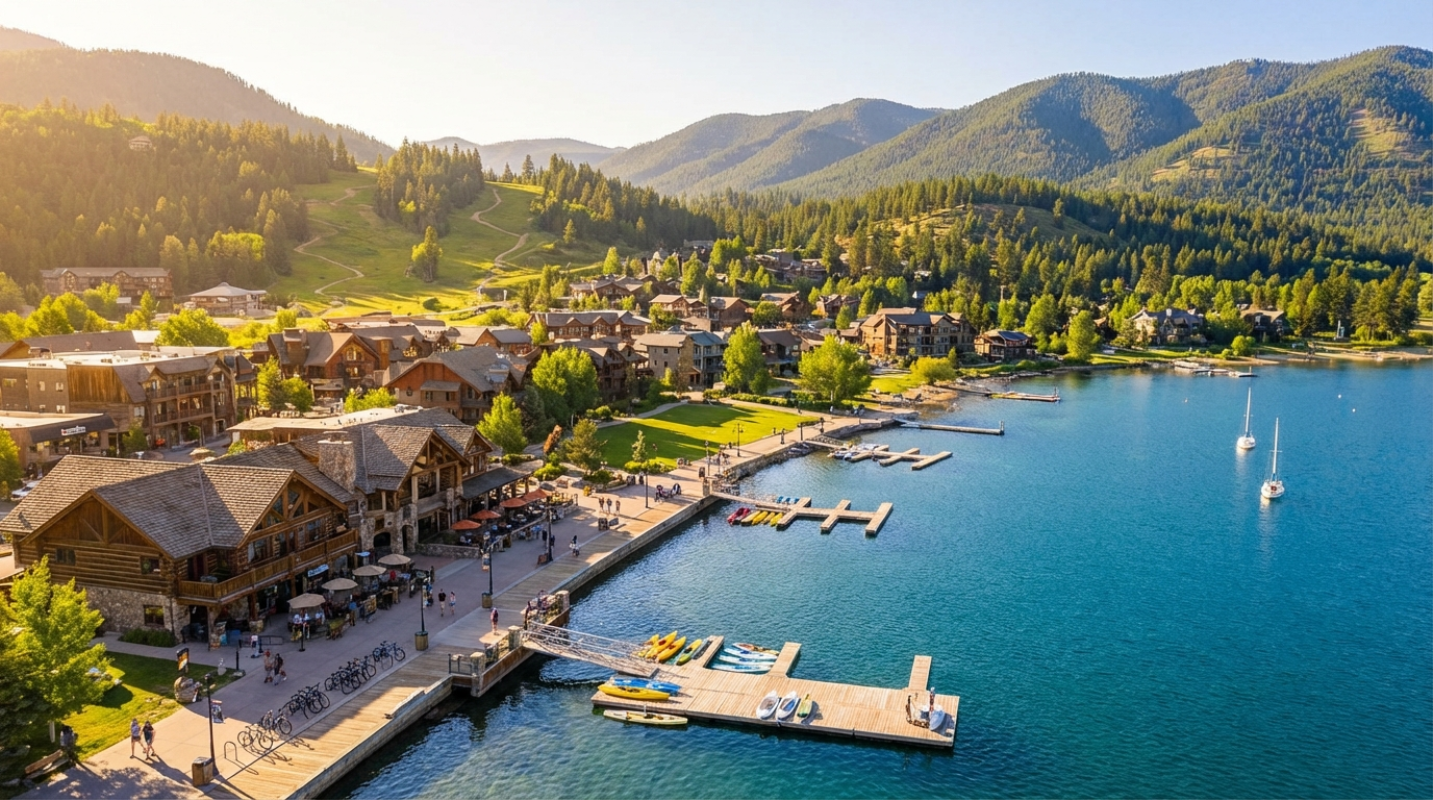
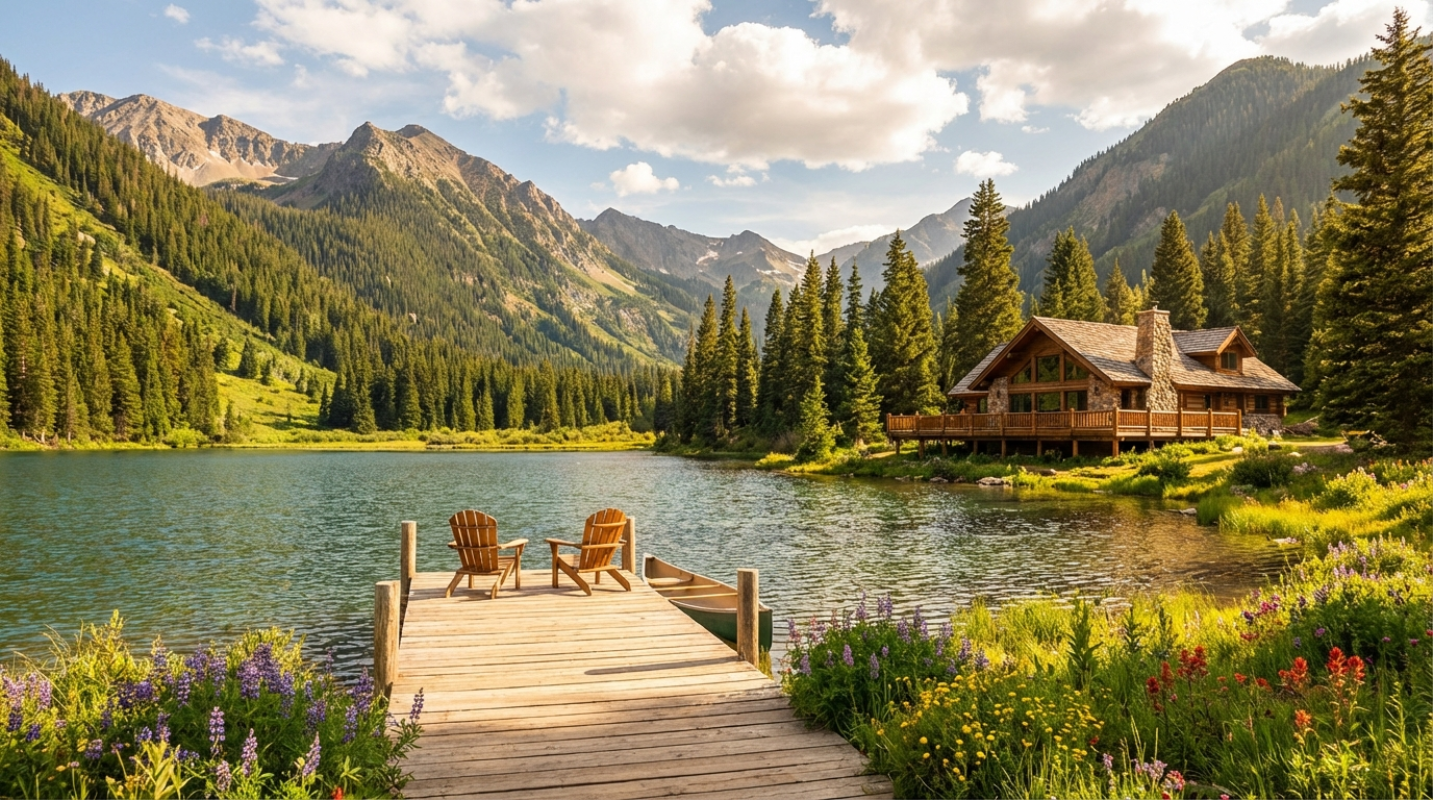
Mountain destinations offer a unique thermal sanctuary, providing elevation-based relief coupled with unparalleled access to adventure and deep relaxation. For the 2025 travel season, the world’s great ranges aren’t just offering cooler temperatures; they’re providing highly curated experiences, blending world-class hiking and biking with emerging trends in sustainable travel and luxury wellness.
This article takes you high above the heat, mapping out the best mountain retreats across the globe, from the iconic peaks of the North American Rockies to the cultural richness of the European Alps and the emerging appeal of Southern Hemisphere gems. We’ll show you exactly how to trade that sweltering pavement for alpine meadows, glacial lakes, and trails that will genuinely take your breath away.
The North American Rockies Iconic Peaks
When you think of a summer mountain escape, chances are you picture the North American Rockies. This massive spine of peaks, stretching from Canada down through the American West, defines high-altitude adventure. But planning a trip here today requires more approach than ever before.
Banff and Jasper - Canada’s Glacial Giants
The Canadian Rockies, particularly Banff and Jasper National Parks, are the gold standard for dramatic scenery. Think turquoise lakes, towering granite walls, and wildlife viewing straight out of a documentary. For summer 2025, though, the secret is out, and managing the crowds is needed.
Banff has seen its visitor numbers stabilize slightly, but traffic remains a major concern, particularly around hotspots like Lake Louise.¹ To truly experience the park’s beauty without sitting in a queue, you must plan ahead. Parks Canada is actively managing visitor flow, considering tactics like parking reservation systems and even seasonal bans on personal vehicles for the most popular areas. This means securing reservations for Parks Canada shuttles or the Roam public transit system isn’t optional; it’s important for access.
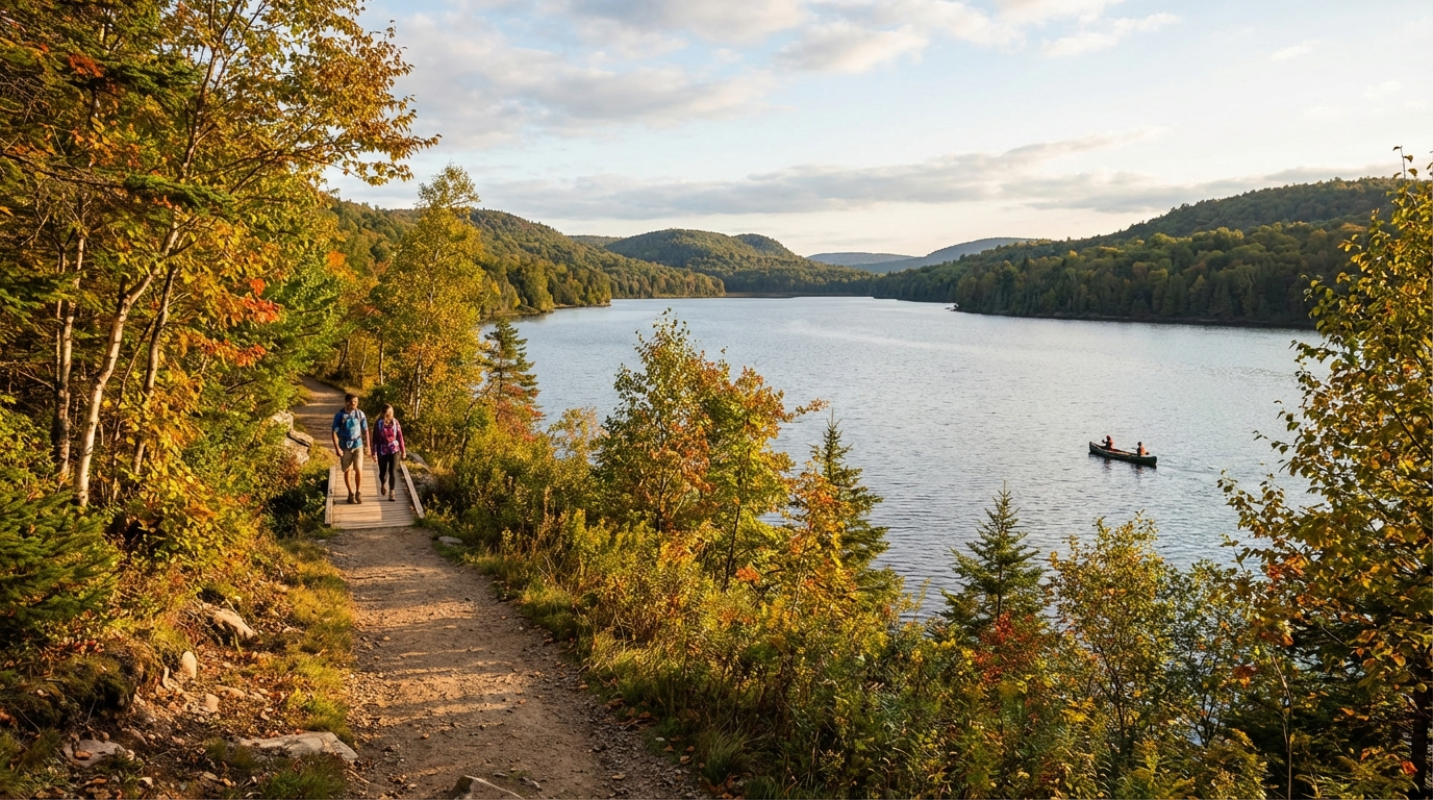
The reward for this planning is unmatched. Trail conditions in mid-summer are usually excellent, perfect for tackling the Plain of Six Glaciers or the Iceline Trail. Just remember that even in July, average daytime highs hover comfortably between 10° and 18° Celsius, and temperatures can easily dip below freezing at night. Pack layers.
Colorado and Wyoming High-Altitude Hubs
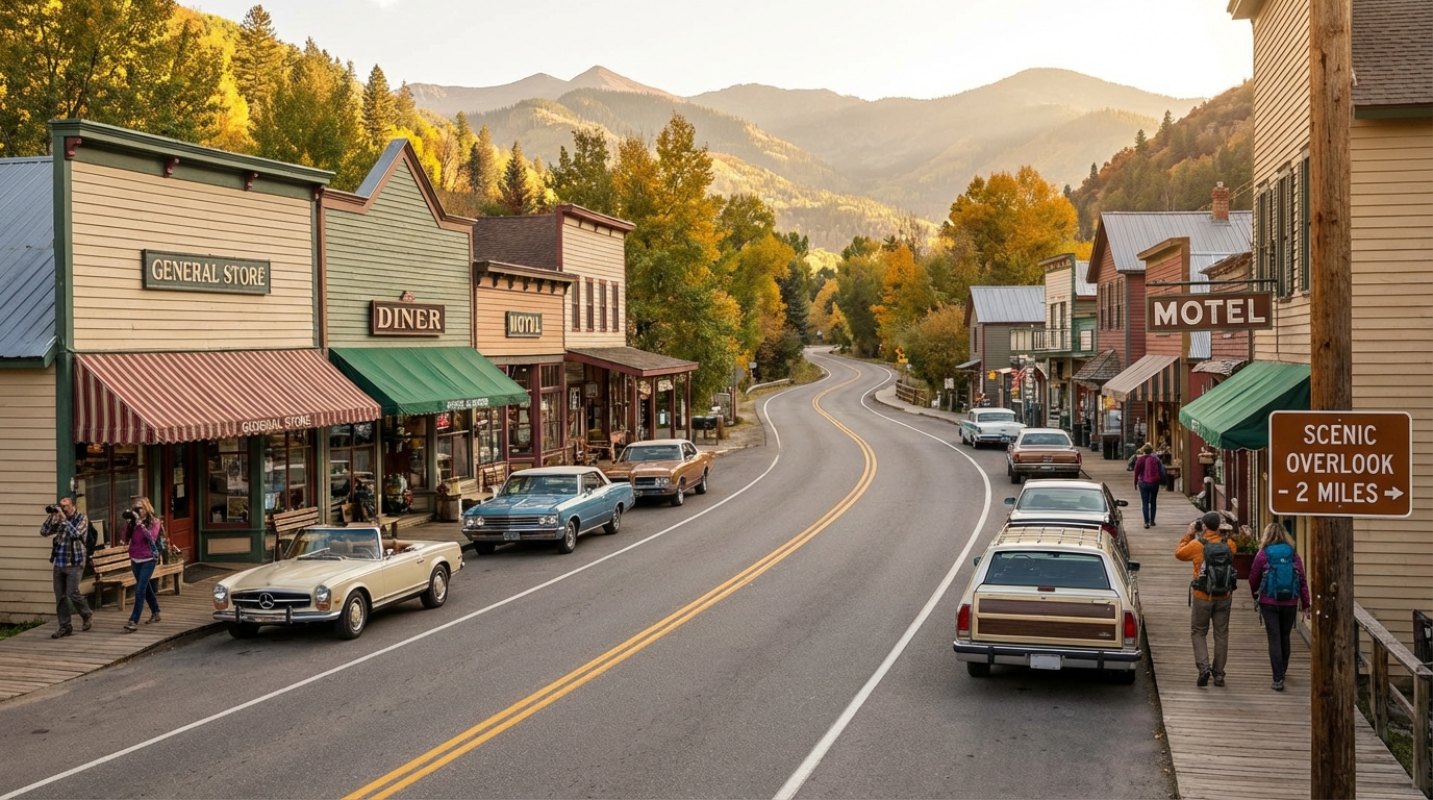
Further south, the American Rockies pivot from vast national park wilderness to active, high-altitude mountain towns. Places like Telluride, Colorado, and Jackson Hole, Wyoming, have successfully transitioned from winter ski resorts to summer activity hubs, offering a different kind of mountain experience: active, accessible, and culturally rich.
In these towns, the summer calendar is packed with outdoor festivals, music series, and food events. The focus shifts heavily to mountain biking. Colorado, in particular, is a mountain biking mecca, offering everything from lift-served downhill runs to challenging cross-country singletrack.
What’s driving this growth? Sustainability. North America is the largest global market for sustainable tourism, and mountain regions are leading the charge. Travelers are actively seeking eco-lodges and resorts that prioritize renewable energy and zero-waste management, aligning their vacations with a desire for authentic, low-impact experiences.² This trend is especially strong in the Rocky Mountain states, where preservation of the environment and indigenous culture is paramount.
European Alpine Escapes Culture Meets Elevation
If the Rockies are about raw, untamed nature, the European Alps are about seamless integration of culture, history, and elevated living. Here, the experience is often defined by accessibility, luxury wellness, and centuries-old traditions.
The Swiss Alps Luxury and Scenic Journeys
A summer trip to the Swiss Alps is often less about grueling climbs and more about appreciating the view from a perfectly manicured vantage point. Destinations like Zermatt and the Jungfrau region (Grindelwald) are famous for their engineering marvels. Forget driving; you experience these mountains via scenic train journeys, cogwheel railways, and efficient cable cars.
Mid-summer reveals spaces bursting with high-alpine wildflowers, making even simple walks feel spectacular. The Swiss Alps are also masters of luxury wellness. Travelers increasingly prioritize complete health, and the Alpine region is perfectly positioned to deliver. Although destinations like Clinique La Prairie in Montreux focus on longevity science, many smaller retreats offer nature-integrated experiences, emphasizing clean air, thermal springs, and alpine herbal treatments.
The Dolomites Italy’s Vertical Playground
Crossing into Italy’s Dolomites, you encounter a different spirit entirely. The pale, jagged peaks, a UNESCO World Heritage site, offer a unique blend of Italian culinary passion and Austrian efficiency. This region is famous for the Via Ferrata, or "iron paths," protected climbing routes built with fixed steel cables, ladders, and bridges.
These routes, many of which originated during World War I, offer a thrilling way to access high-alpine terrain that would otherwise require technical rock climbing. The main season for these treks runs from mid-June to late September, aligning with the opening of the traditional mountain huts, or Rifugios (needed for multi-day trips).²
Be warned: early summer can still present challenges. In June, higher-altitude routes may still be closed due to snow, particularly on north-facing descents. If you’re planning a multi-day hut-to-hut trek, book early, and check route conditions meticulously.
Ultimately, the choice between the two regions comes down to preference: Do you prefer the active, often rugged, and vast scale of the North American wilderness, or the sophisticated, culturally immersive, and highly accessible paths of the European Alps? Both promise a spectacular escape from the heat.
Beyond the Usual Emerging and Southern Hemisphere Gems
Although the Rockies and the Alps dominate the summer travel conversation, 2025 is the perfect time to look further afield, either for unique counter-seasonal adventures or for destinations that offer rugged beauty without the intense crowds.
Counter-Seasonal Travel in the Andes
For travelers who prefer to chase winter or want a genuinely unique trekking experience when the Northern Hemisphere is sweltering, the Andes in South America offer a compelling alternative. Although July and August are prime winter months, destinations in the Chilean or Argentinian Andes, such as Patagonia, offer spectacular skiing and snowboarding.
If trekking is your goal, planning a trip for late Southern Hemisphere spring (November/December) allows you to avoid peak Northern summer heat while experiencing Patagonian trails like the "W" circuit in pristine condition, well before the major crowds arrive.
The Scottish Highlands
For those seeking dramatic, rugged scenery closer to Europe, the Scottish Highlands are emerging as a favorite. Known for their misty lochs, ancient castles, and challenging Munro bagging (climbing peaks over 3,000 feet), the Highlands offer a wild, less manicured mountain experience. The weather is unpredictable, but the reward is a sense of genuine solitude often missing from the more heavily trafficked Alpine trails.
Travelers here are gravitating toward unique summer lodging options. Eco-lodges are the fastest-growing accommodation type in the sustainable travel market, and the Highlands offer many opportunities to stay in historic chalets or renovated crofts that emphasize local sourcing and low environmental impact.
Top Recommendations for High-Altitude Wellness
- Lanserhof Lans (Tyrol, Austria), Known for pioneering medical wellness and highly individualized detox and gut-health programs.³
- QC Terme (Monte Bianco, Italy), Offers thermal baths and an incredible outdoor panoramic pool with direct views of Mont Blanc, perfect for nature-integrated relaxation.
- Annecy, France, Ranked highly for alpine wellness, combining lake and mountain activities with excellent spa facilities and Green Michelin star restaurants.³
Needed Gear and Smart Planning for the Summer Season
A mountain escape is only ideal if you’re prepared. Unlike a beach vacation, where the worst surprise is usually a sunburn, the mountains demand respect and readiness for rapidly changing conditions.
Climate Preparedness
The most important factor in mountain planning is temperature variance. You might start a hike in T-shirt weather at 10 AM, only to be hit by a sudden, intense afternoon thunderstorm and temperatures plummeting by 15 degrees. Always carry a waterproof shell jacket, even if the forecast looks clear.
- Layering is Key. Focus on moisture-wicking synthetics and wool. Avoid cotton entirely.
- Altitude Awareness: If traveling to areas above 8,000 feet (like many Colorado towns or high-alpine trails), plan a day or two for acclimatization. Stay hydrated and avoid strenuous activity immediately upon arrival.
Activity Deep Dive
Mountain destinations cater to all fitness levels, so don’t feel pressured into multi-day backpacking if a scenic drive is more your speed.
1. For the Casual Explorer, Focus on scenic drives (like the Icefields Parkway in Canada), short nature walks around lakes, and taking advantage of gondolas and cable cars for high-altitude views without the sweat.
2. For the Moderate Adventurer, Day hiking is perfect. Look for trails 5–10 miles long with moderate elevation gain. Many areas offer guided Via Ferrata excursions that provide a taste of climbing without needing prior technical experience.
3. For the Committed Trekker, Secure the necessary permits early for multi-day treks, especially in highly regulated areas like Banff, where certain access points may face closures to protect wildlife habitats (such as grizzly bear protection in Paradise Valley).
Connectivity and Safety
Although many people seek a digital detox in the mountains, safety should always trump disconnection. Remote areas, even in popular parks, often lack reliable cell service.
- Offline Maps: Download maps (like Google Maps or Gaia GPS) and trail information before leaving town.
- Safety Protocols: Always tell someone your planned route and expected return time. Carry a satellite communication device (like a Garmin inReach) if you plan on extended time away from established trails. This isn't paranoia; it's smart mountain travel.
Securing Your Perfect High-Altitude Retreat
Summer mountain destinations offer the kind of restorative power that simply doesn’t exist in the humid, concrete jungle. The cool air, the silence, and the sheer scale of the space reset your perspective.
We’ve covered everything from the reservation-dependent, high-traffic peaks of the Canadian Rockies to the serene, culturally rich villages of the Dolomites. The common thread among all these ideal summer escapes is the growing demand. With sustainability and nature immersion now the number one drivers for 70% of tourists, these pristine mountain environments are attracting more travelers than ever before.²
If you dream of swapping your sticky summer commute for a glacial breeze, don’t wait. The best chalets, the important shuttle reservations, and the limited permits for popular trails are often booked six months or more in advance. Your perfect high-altitude retreat is waiting, but you need to secure your spot now before the heat hits again.
Sources:
1. Despite trend upward, Banff saw nearly 60,000 fewer visitors in 2024
2. Sustainable Tourism Market Size, Share & Trends Analysis Report
3. Top 10 Alpine Wellness Destinations
The information provided on MyUSAI regarding travel destinations, including but not limited to routes, prices, cultural descriptions, and historical data, is for general informational and educational purposes only.