 (Image source: Gemini)
 If your annual memories of the national parks involve standing in a snaking line of RVs outside the entrance gate, or fighting for a sliver of pavement at the Yosemite Valley parking lot, you’re not alone. For decades, we’ve been conditioned to believe that these monumental spaces are strictly summer playgrounds. The result? Total saturation between Memorial Day and Labor Day, leading to frayed nerves, diminished wildlife sightings, and an experience that feels less like communion with nature and more like a crowded amusement park.
But here’s the secret the savviest travelers already know: nearly every major national park is open 365 days a year.
It’s true. With the rare exception of places like Isle Royale, which closes entirely due to extreme winter isolation on Lake Superior, the National Park Service (NPS) maintains continuous access. The challenge isn’t finding an open park; it’s shifting your calendar and learning how to handle the quiet seasons. When you ditch the peak summer crush, you unlock a different, often deeper, version of these protected lands.
Why Year-Round Access?
Think about the sheer volume of people flocking to the parks during July and August. This seasonal overcrowding doesn’t just ruin your photo opportunities; it places immense strain on the infrastructure, the wildlife, and the park rangers trying to maintain stewardship.
The move toward year-round access addresses this problem head-on. By encouraging visitation during the "shoulder seasons" - fall, winter, and spring - the NPS can better distribute the 331.8 million annual visits across the calendar, easing the summer burden and providing a steadier economic stream for the gateway communities that rely on tourism.
For you, the traveler, this means a chance to capture the quiet, contemplative experience the parks were intended to provide. You get the solitude you crave, the lodging is often cheaper, and the light is simply better. It’s a win-win: better park health and a dramatically improved visitor experience.
Unique Experiences in Off-Season Parks
Some parks don’t just tolerate winter; they thrive in it.
Consider the thermal wonders of Yellowstone National Park. Although most interior roads are closed to private vehicles, this is when the geysers truly shine. Imagine the steam rising from Old Faithful and the Midway Geyser Basin, condensing into spectacular clouds against a backdrop of pristine snow. It’s breathtaking.
Winter in Yellowstone is defined by over-snow travel. Starting around mid-December, the roads open up for snowmobiles and specialized snowcoaches, allowing guided access deep into the park. You can sign up for specialized field seminars, such as the famous Lamar Valley Wolf Weeks, where you spend days tracking the iconic packs against the white space.³ Wildlife viewing is often superior, too, as animals descend to lower elevations seeking food.
Then there’s the sheer drama of Yosemite Valley. Although the high-elevation Tioga Pass is snowed in, the Valley floor remains accessible, offering unique winter activities. You can ski and snowboard at the Badger Pass Ski Area, which typically operates from mid-December through March. If you time your trip just right in February, you might witness the legendary Horsetail Fall “Firefall,” when the setting sun hits the cascading water at a perfect angle, making it glow like molten lava. Peak viewing for the Firefall usually occurs between February 16–23.⁴
Of course, winter requires preparation. Logistical considerations matter. Like, Acadia National Park’s famous Park Loop Road, including access to Cadillac Mountain, closes to vehicles from December 1 to April 14. This doesn’t mean the park is closed; it means you need to swap your car keys for snowshoes or cross-country skis. You must research road conditions and services meticulously. Limited food and lodging options mean self-sufficiency is paramount.
The Quiet Seasons
If the thought of sub-zero temperatures and technical gear gives you pause, the shoulder seasons of fall and spring offer the perfect compromise: fewer crowds, full access, and stunning natural phenomena.
Autumn is a visual masterpiece, especially in the eastern parks. In Shenandoah National Park, the Blue Ridge Mountains erupt in fiery reds and golds. Similarly, Acadia’s granite coastline, often choked with tourists in August, becomes a study in contrast as the deep green pines meet the brilliant deciduous foliage.
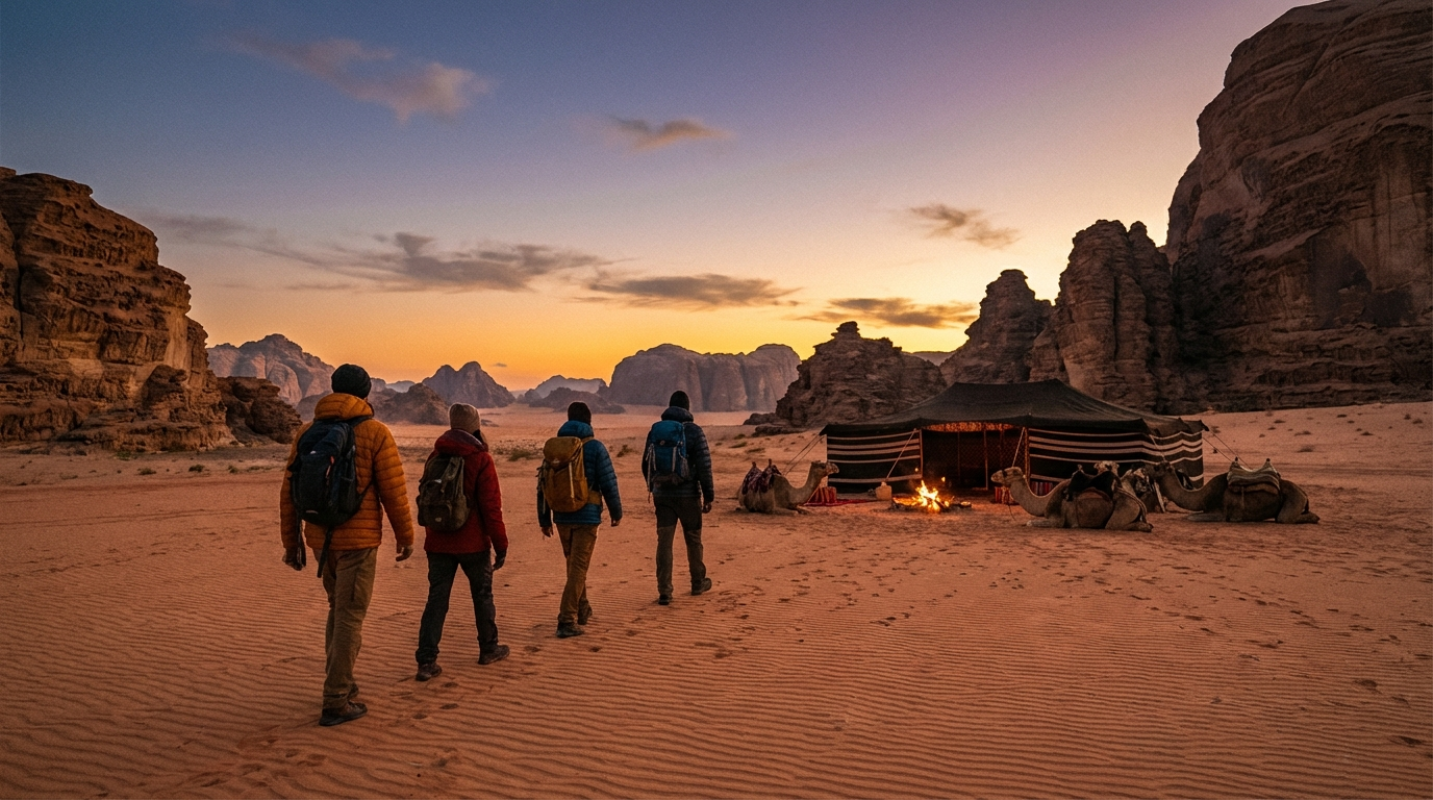
Spring, meanwhile, is the time for rebirth and migration. This is particularly true in the desert parks. Death Valley National Park, which is lethally hot in the summer, is remarkably pleasant in the late winter and early spring. If the timing and rainfall are right, you might catch the spectacular desert superbloom, turning the arid space into a carpet of color. Similarly, the early spring months in the Grand Canyon allow for deep hikes without the sweltering heat that defines the summer months.
The data supports this calendar shift. NPS figures show that off-season visitation in both spring and fall has seen above-average growth compared to peak summer. People are actively seeking these quieter periods, enjoying cheaper lodging and less competition for permits.
How Parks Maintain Access and Safety
Running a national park 365 days a year is a monumental task. It requires park management to implement sophisticated staffing models, making sure needed infrastructure maintenance continues even when the visitor centers are running on reduced hours.
The biggest operational change you need to track is the rise of the reservation system. Although parks remain technically open, access is increasingly managed to protect resources. Like, Zion National Park requires year-round reservations for the iconic Angels Landing trail. In Rocky Mountain National Park, timed-entry reservations are mandatory from late May through mid-October. Even Acadia requires year-round reservations for driving up Cadillac Summit Road.
These systems are the digital equivalent of a velvet rope; they control volume without closing the gates entirely. They are designed to preserve the quality of your experience, not obstruct it.
Plus, the economic stability afforded by year-round tourism is now key. The NPS supports over 340,100 jobs nationally, and visitor spending in local gateway regions now exceeds $29 billion annually.³ This money doesn’t just flow in July; it provides important stability for hotels, restaurants, and outfitters during the traditionally slower months.
It’s important to note that access comes at a cost, especially for international travelers. Starting in 2026, the non-resident Annual Pass will increase significantly to $250, alongside an additional per-person fee for entry into the 11 most visited parks. This revenue is earmarked for needed infrastructure maintenance, emphasizing that keeping these parks operational year-round is expensive work.
Practical Tips for the Savvy Traveler
If you’re ready to trade the summer frenzy for winter solitude or spring bloom, a little planning goes a long way.
First, invest in the America the Beautiful Pass. At $80, this annual pass grants you and your entire vehicle entry into all national parks and federal recreational lands. It’s the best deal in travel, especially if you plan multiple off-season trips.
Second, embrace layering. Whether you’re snowshoeing in Yellowstone or hiking in the Grand Canyon in December, weather changes fast. You need moisture-wicking base layers, insulation, and waterproof shells. Don’t forget that even in winter, sun exposure risks are high, especially when reflecting off snow, so pack sunscreen and sunglasses.
Third, always check the official NPS website for real-time road conditions. This is non-negotiable. A beautiful drive one day might be impassable the next. If you’re traveling in winter, know the rules for over-snow vehicles and chains.
Finally, show some love to the gateway communities. When you visit in the off-season, you’re supporting local businesses that struggle once the summer crowds dissipate. Buy your gear, eat your meals, and book your lodging in the towns just outside the park boundaries.
Top Recommendations for Off-Peak Access
If you’re plotting your first non-summer park trip, these parks offer the easiest entry and the most rewarding experiences outside of peak season
- Death Valley National Park - Best visited between November and March for comfortable temperatures.
- Grand Canyon National Park (South Rim) - Open 365 days a year with full ranger programs and lodging availability.
- Saguaro National Park - Perfect for hiking and photography during the mild winter months.
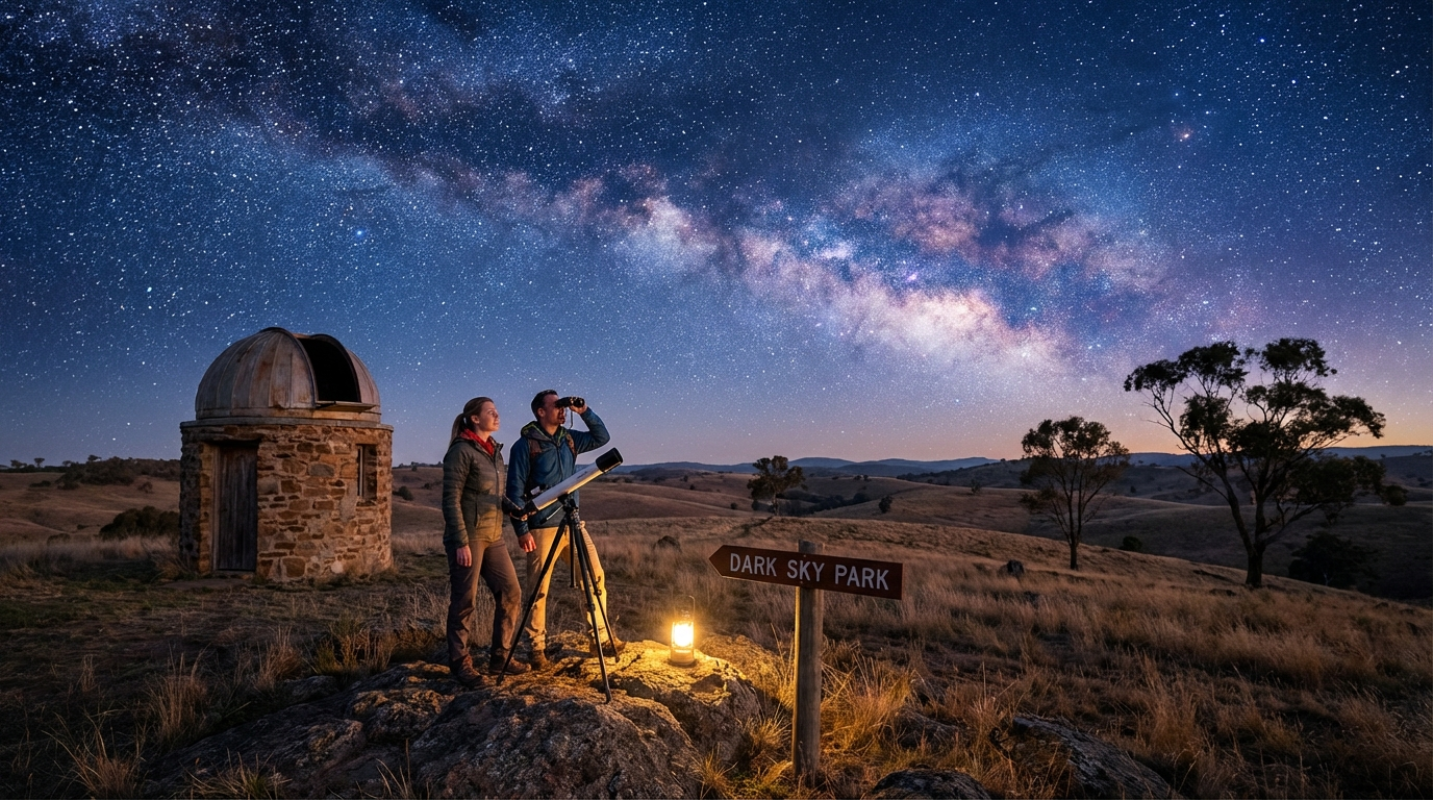
- Big Bend National Park - Offers dark skies and excellent desert hiking when the summer sun is absent.
- Yosemite National Park (Valley Floor) - Accessible year-round, offering snow sports and unique seasonal phenomena like the Firefall.
The national parks are not just a summer vacation destination; they are year-round treasures waiting to be discovered. Stop limiting your access to the two most crowded months of the year. The solitude, the unique beauty of the winter space, and the ease of travel during the shoulder seasons offer a deeply different, and arguably better, way to experience America’s best idea. Go ahead, pack your bags, and reclaim your park experience.
Sources:
1. Economic Impact of National Park Visitation
2. National Park Service Reservation and Access Policies
3. Yellowstone National Park Winter Programs and Access
4. Yosemite National Park Seasonal Events Calendar
The information provided on MyUSAI regarding travel destinations, including but not limited to routes, prices, cultural descriptions, and historical data, is for general informational and educational purposes only.