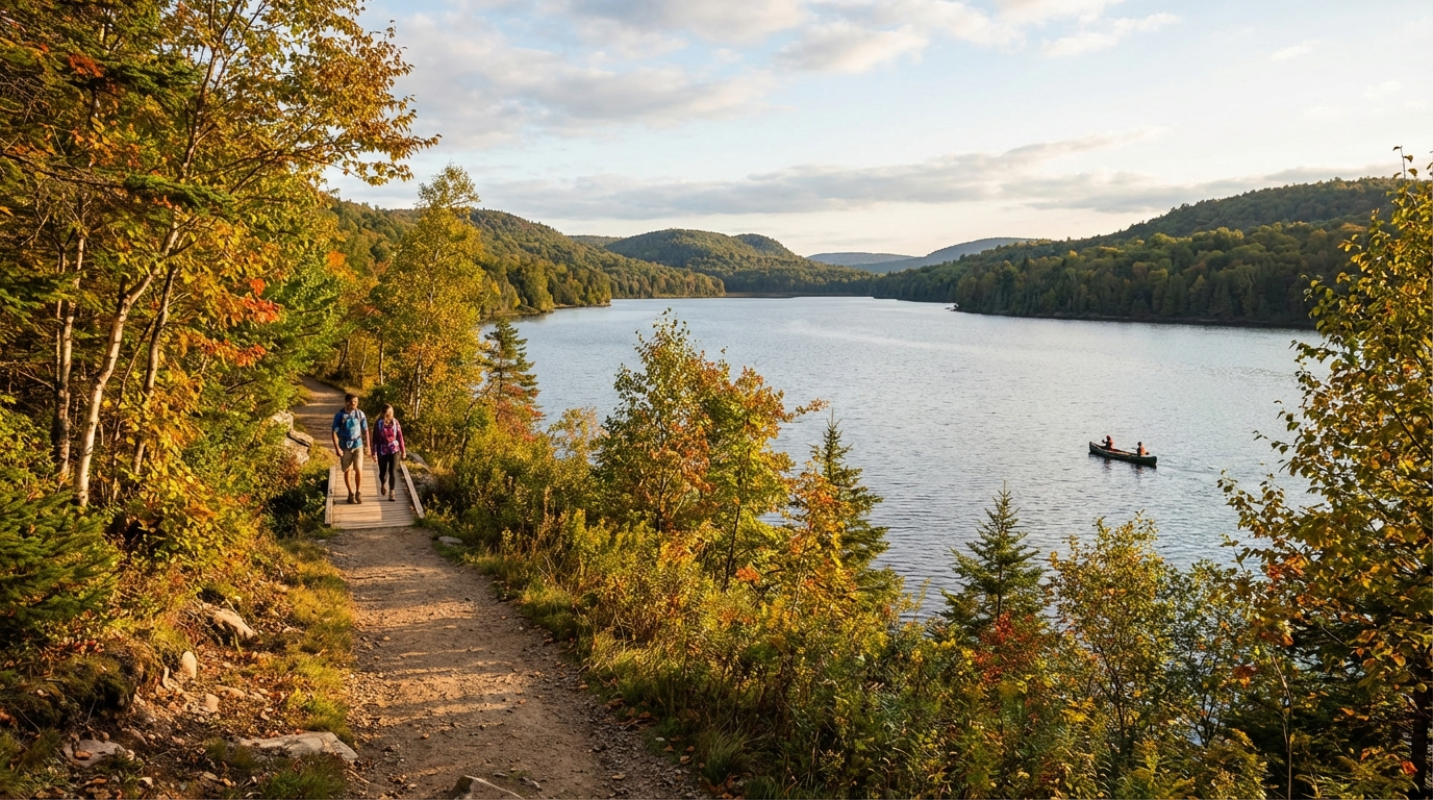
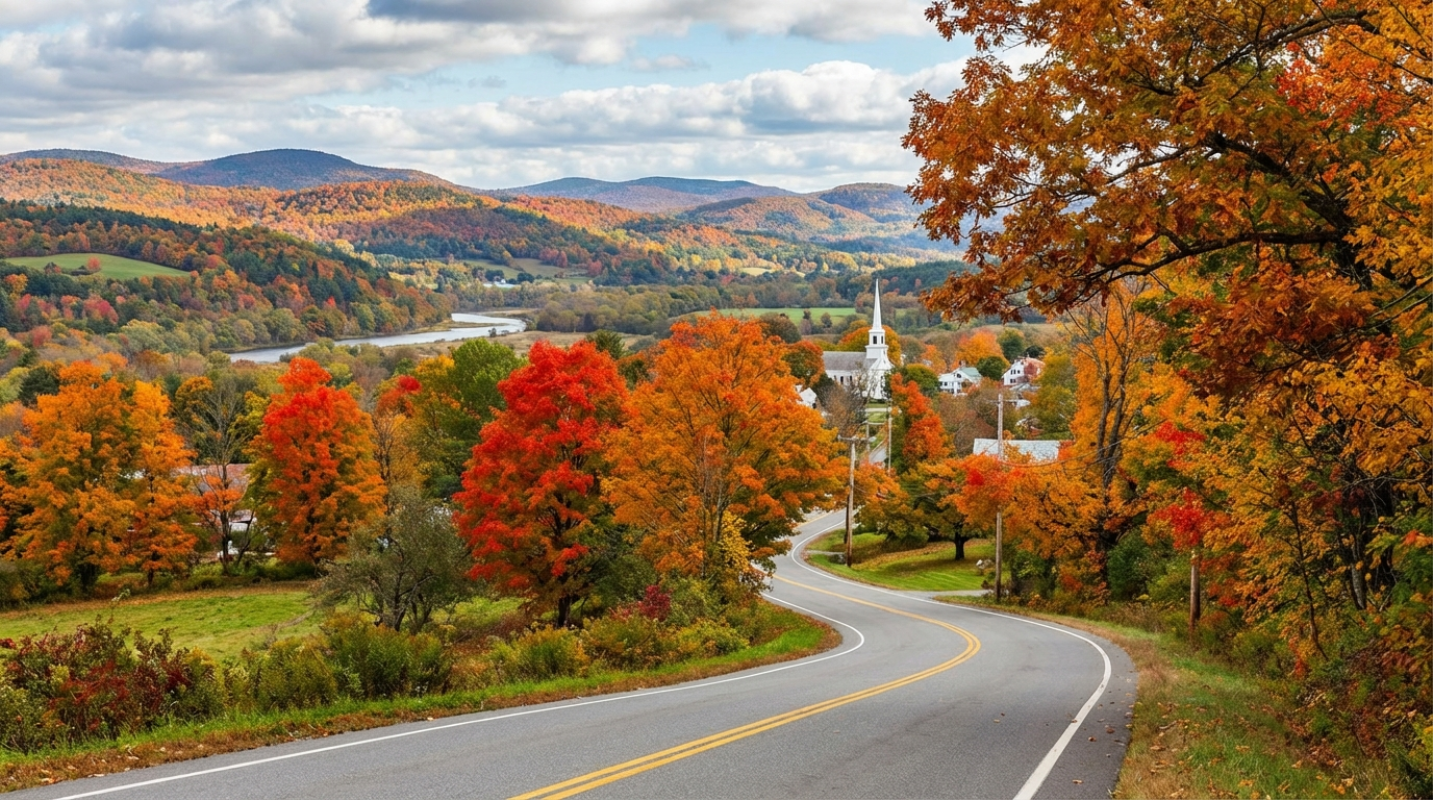
 (Image source: Gemini)
 There’s a collective sigh of appreciation that rolls across the northern hemisphere every year as the light shifts, the air cools, and the forests ignite. Fall foliage is more than just pretty scenery; it’s a temporary, dramatic show that demands attention. It’s the seasonal equivalent of a global fireworks display, and chasing that peak color has become one of the most lasting, yet constantly changing, travel trends.
We’re past the point of simply driving down a local road hoping for the best. Modern leaf-peeping is a sophisticated global pursuit, requiring timing, technology, and a deep appreciation for geography. This isn't just about watching the leaves die; it’s about witnessing the stunning chemical process that reveals the hidden pigments, driven by cool nights, sunny days, and just the right amount of moisture.
This guide takes you beyond the basics, introducing the world-class regions well-known for delivering that jaw-dropping, memory-making color. Whether you prefer the classic maples of North America, the golden forests framing European castles, or the fiery reds illuminating ancient Japanese temples, your needed 2026 travel plan starts here.
North America's Iconic Canopies of New England and Beyond
If you ask anyone to picture peak autumn, chances are they’re imagining New England. This region is the undisputed heavyweight champion of fall color, primarily because of its dense population of sugar maples, birches, and oaks, which produce the most intense reds, oranges, and yellows.
The ultimate experience demands a road trip through Vermont and New Hampshire. You should aim for the White Mountains National Forest. Here, the Kancamagus Highway offers a 34.5-mile scenic byway that cuts through dense maple and birch forests, delivering panoramic views right from your car seat. Meanwhile, in Vermont, the drive from Stowe to Woodstock takes you past covered bridges and hillsides that look lifted straight from a postcard. For those planning ahead, the Old Farmer's Almanac predicted October 8, 2025, as the best viewing date for the heart of the region, so mark your calendar accordingly¹.
But North America’s autumnal glory isn’t limited to the Northeast. Head west, and the experience transforms entirely. The Rocky Mountains, especially in Colorado, offer a completely different palette: brilliant aspen gold. These trees change uniformly, creating vast, shimmering mountainsides that feel less fiery and more luminous.
The Pacific Northwest, often overlooked for fall color, provides unique displays of vine maples and larch, particularly around Oregon and Washington. Here, the colors are often deeper burgundy and russet, contrasting sharply with the deep green of the evergreens.
How you view the color matters, too. Although scenic drives like Maine’s Park Loop Road at Acadia National Park are fantastic, consider specialized rail tours. They offer access to remote gorges and valleys that are inaccessible by car, providing uninterrupted, slow-moving views perfect for photography.
Europe's Old World Charm Meets Fiery Hues
When you think of European travel, history and architecture usually come first. But imagine those medieval castles and dramatic Alpine peaks framed by forests of deep gold and ochre. That’s the European fall experience. It’s less about the sheer intensity of the maples and more about the stunning juxtaposition of old-world charm and seasonal change.
Our primary focus has to be Bavaria, Germany. The Bavarian Alps become truly spectacular in late September through mid-October. The golden hues of deciduous trees pop dramatically against the grey stone of fortresses like Neuschwanstein Castle and Linderhof Palace. The German Alpine Road (Deutsche Alpenstraße) is the ideal route, leading you past glacial lakes like Königssee and through charming villages. A drive here offers mountain passes and medieval towns, making it perfect for a multi-day road trip.
Although Bavaria is famous, don't ignore Europe’s quieter displays. The Scottish Highlands, while dominated by evergreens, feature spectacular bursts of copper and gold from the beech and birch trees, adding a rugged beauty to the glens. For something truly dramatic, look to the Italian Dolomites. The larch trees turn a brilliant, shocking yellow against the pale grey rock faces, delivering a high-altitude spectacle that is easily accessible via hiking trails and cable cars.
If you’re planning European leaf-peeping, remember that logistics differ. You’ll be navigating narrow village roads and potentially dealing with early October snow in the high Alps. Book accommodations, especially near the popular castles, well in advance, as many travelers combine foliage viewing with Oktoberfest or other regional festivals.
Asia's Subtle Splendor
The Asian approach to fall foliage, particularly in Japan, is deeply cultural. It’s called Momiji-gari or "maple hunting," and it's treated with the same reverence as spring cherry blossom viewing. Although North America is loud and bold, Asia offers subtle splendor, often using the colors to frame spiritual and architectural masterpieces.
Kyoto is the epicenter of this tradition. The red maple leaves are strategically planted around temple gardens and shrines, creating breathtaking contrasts between ancient wood and fiery red. But planning here requires precision. Due to increasingly warmer temperatures, the peak in major cities like Kyoto is shifting later than traditional expectations. Experts are predicting the ideal viewing window for Kyoto will be around December 5–15, 2025, peaking around December 12th - significantly later than usual². This means you need to adjust your travel plans accordingly, pushing your trip into early December to catch the best reds.
For those who prefer an earlier display, Hokkaido in the north or the high-altitude regions near Nikko offer colors starting in late September. Don’t miss the experience of the Hakone Tozan Railway, a unique mountain railway that winds through valleys of red and yellow, offering unparalleled views near the Deyama Iron Bridge.
South Korea offers fantastic alternatives. Seoraksan National Park in the northeast is famous for its granite peaks laced with streams and forests that turn brilliant red and yellow. The timing is similar to Japan, but the experience is more rugged and hiking-focused. The key difference between North American and Asian foliage is the intensity and duration; Asian maples often hold their color longer, and the viewing is often centered around specific, highly manicured spots rather than endless stretches of highway.
Trip Timing, Technology, and Sustainability
A successful foliage trip hinges on two things: timing and preparation. You need to hit that fleeting 'peak color' window, which, as we’ve seen, is getting harder to predict due to climate variability.
Forecasting Accuracy
Meteorology plays an increasingly important role. You shouldn't rely on generic regional advice. Instead, use specialized online foliage trackers that monitor elevation and localized weather patterns. Remember the formula for perfect color: cold nights (below 45°F), sunny days, and adequate, but not excessive, rainfall. If a region has experienced drought or unusually warm autumns, expect a delay in peak color and potentially muted hues.
Needed Gear and Photography
Capturing the colors requires more than just a smartphone. Bring a polarizing filter for your camera. This simple attachment cuts glare, deepens the blues of the sky, and allows the reds and oranges of the leaves to truly pop. Also, pack layers. Foliage viewing often involves chilly mornings and warm afternoons.
Responsible Tourism
As these destinations become more popular, it’s key to practice sustainable travel. The single largest way you impact the environment on your trip is through transportation, which accounts for at least 70% of your travel carbon emissions³. If possible, choose rail travel over flying long distances, or choose destinations closer to home.
When you’re out enjoying the leaves, adhere strictly to "Leave No Trace" principles. This means staying on designated trails, packing out everything you pack in (including organic waste like apple cores), and leaving the natural environment untouched. Don’t take leaves, rocks, or anything else you find.
- Sustainable Lodging: Be aware of resource consumption. Turning off lights, opting out of daily towel changes, and bringing reusable water bottles significantly reduce your environmental footprint at your accommodation.
- Support Local: Choose local, certified sustainable accommodations and independent businesses. This ensures your travel dollars directly benefit the host community, making the tourism exchange mutually beneficial.
Top Recommendations for the 2026 Season
Here are a few specific routes and experiences you should prioritize when booking your fall getaway. These are routes that offer high-impact viewing paired with accessibility and local culture.
- New England Classic - Drive the Stowe to Woodstock route in Vermont in early October. Stay in a locally owned inn and spend a day hiking Mount Mansfield for panoramic views.
- Bavarian Castle Circuit - Dedicate three days to the Royal Castles Tour near Füssen, combining the golden forests with visits to Neuschwanstein and Linderhof Palace.
- Japanese Cultural Immersion - Focus on Kyoto’s temple gardens, especially Tofuku-ji Temple and Kiyomizu-dera Temple, planning your visit for the second week of December to hit the later peak.
- Rocky Mountain Gold - Take the scenic drive through Aspen, Colorado, in late September. Hike among the massive groves of turning aspens for that unique, shimmering yellow experience.
Chasing the Last Light of Fall
The global diversity of fall color experiences is astounding. You can find fiery maples in North America, dramatic larches in Europe, and meticulously cultivated Momiji in Asia. Each region offers a unique sensory journey, blending the visual spectacle with distinct local traditions, food, and history.
The window for these colors is narrow, often lasting only a week or two at peak. That inherent scarcity is precisely what makes the pursuit so rewarding. It demands planning, respect for nature, and a willingness to travel for beauty. Don't wait until the last minute. The most unforgettable autumn adventures require booking flights, trains, and inns months in advance.
Sources:
1. Fall Foliage Map 2025: When Peak Fall Colors Arrive
2. Kyoto Autumn Leaves 2025 Forecast: When to Visit
3. Eco-Responsible Travel Our Guide for 2024
The information provided on MyUSAI regarding travel destinations, including but not limited to routes, prices, cultural descriptions, and historical data, is for general informational and educational purposes only.