 (Image source: Gemini)
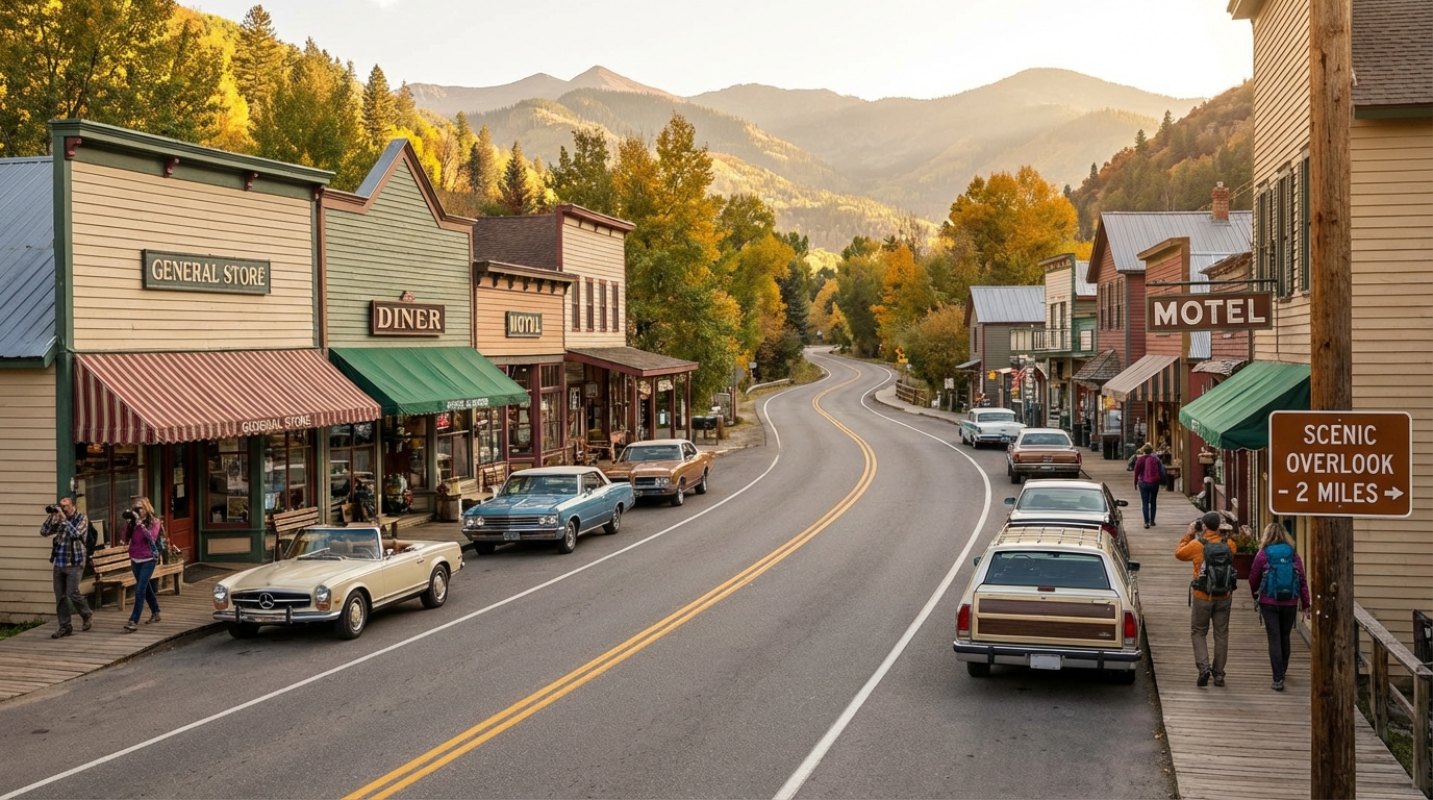
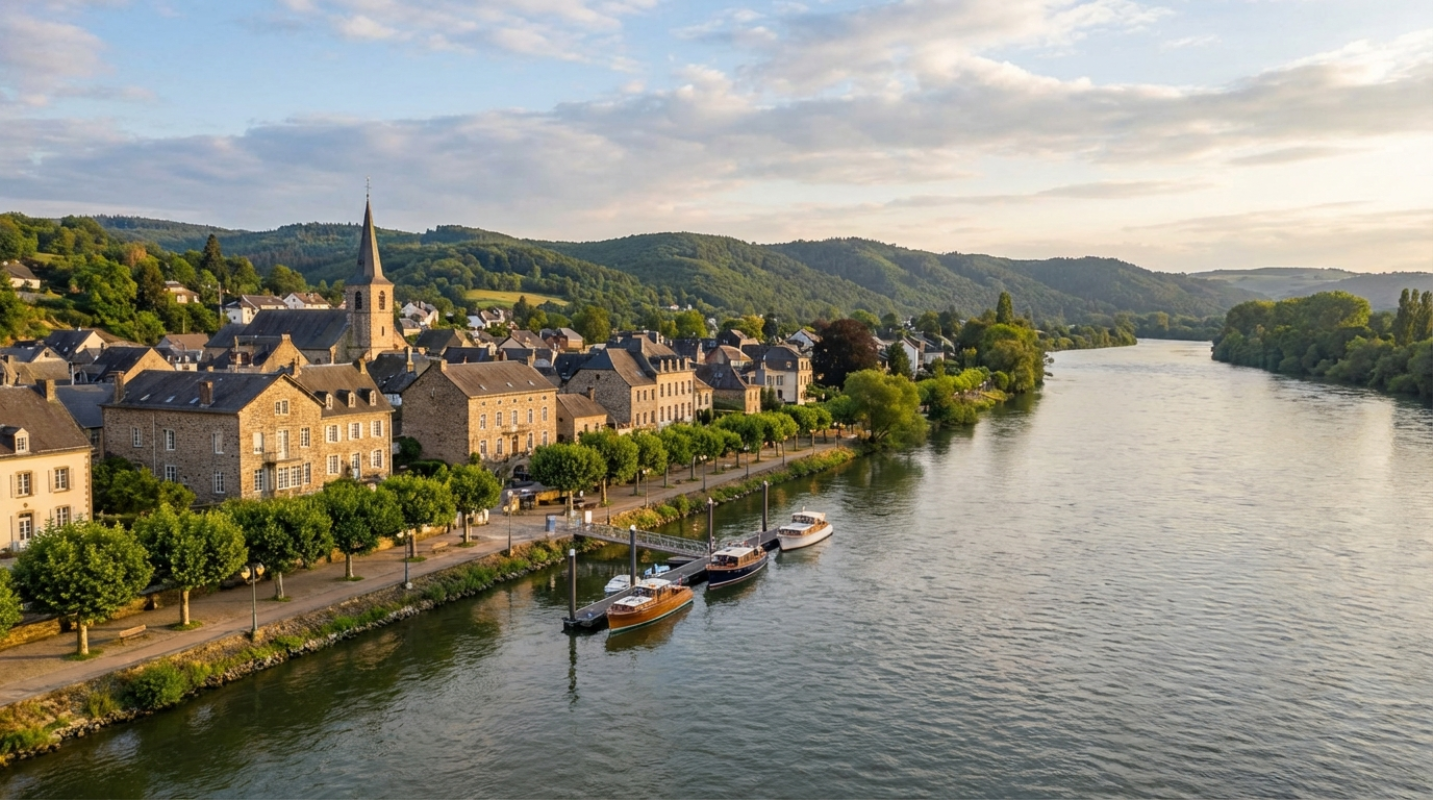
 If you’re tired of the same old coastal escapes and sprawling city breaks, turn your gaze inland. The scenic river town is making a serious comeback, offering a unique blend of history, accessible nature, and surprisingly sophisticated modern amenities. These aren’t just sleepy stops on a map; they are dynamic communities that have mastered the art of blending a storied past with an active present.
Why this resurgence? For many travelers, the appeal lies in the slower pace and the instant access to nature that a major waterway provides. You get the drama of a massive river - be it the mighty Mississippi, the rugged Columbia, or the historic Hudson - without the frantic energy of a metropolis.
Our focus here is on communities built along America’s major waterways. These rivers, once purely arteries of industry and commerce, are now the main attraction, fueling a tourism and cultural boom. We’re talking about accessible, smaller communities that offer big experiences, often providing the quality of life and cultural depth typically reserved for much larger cities.
The Economic and Cultural Renaissance of Riverfronts
For decades, many riverfronts were relegated to industrial use: docks, factories, and railways blocked public access. But the 21st century brought a massive shift. River towns realized their greatest asset wasn’t the ability to ship goods, but the view, the history, and the potential for recreation.
This shift has driven a widespread, complete reorganization effort. It’s not just about planting flowers; it’s about what experts call "multi-benefit projects," designed to simultaneously improve water conservation, improve flood control, and drive placemaking. These towns are confronting the climate emergency head-on, moving urban resilience "from theory to action" through bold retrofitting and transformative upgrades focused on radical sustainability.
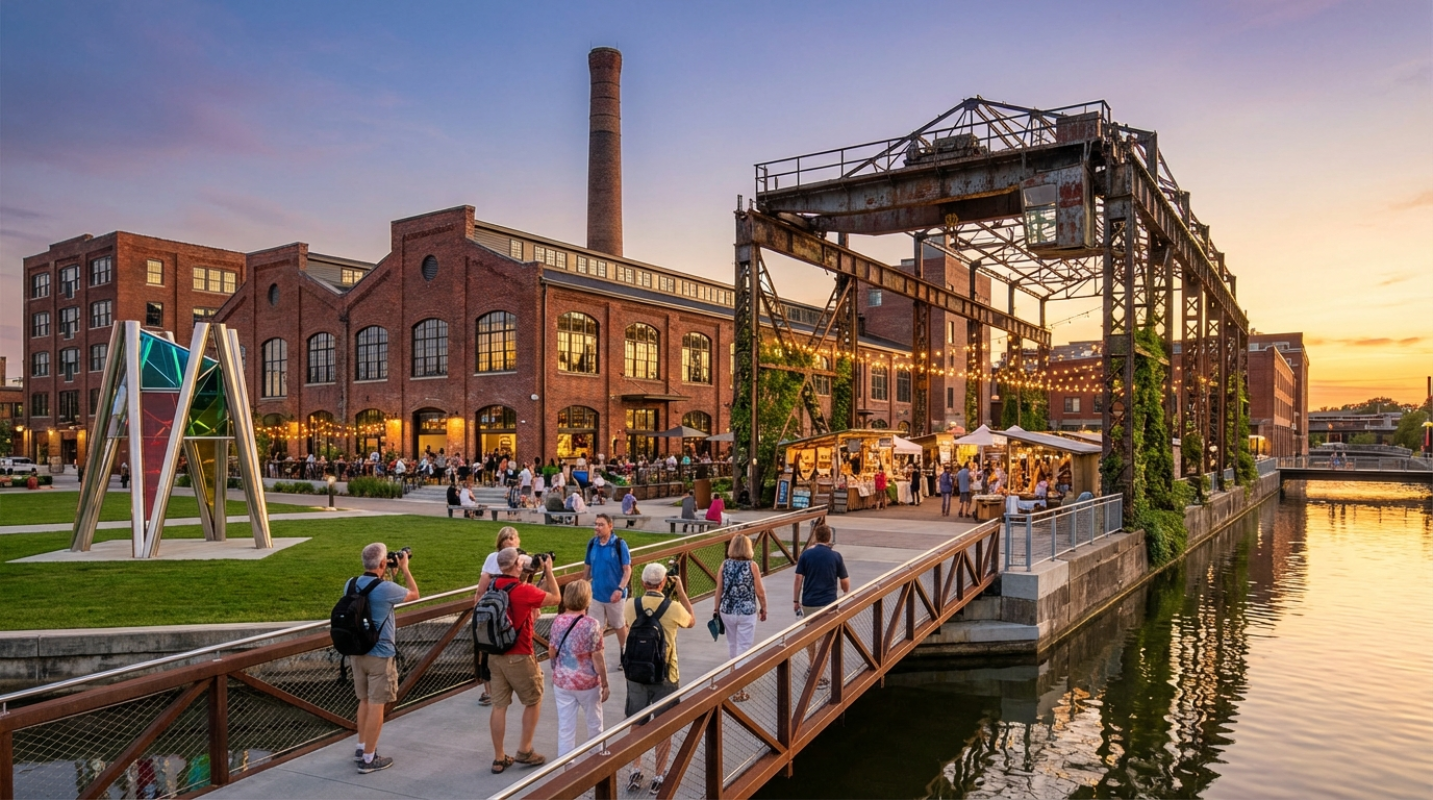
The result? Riverfronts have traded smokestacks for public parks, abandoned warehouses for artisanal food scenes, and gritty docks for boutique lodging. The old industrial infrastructure is transforming into cultural infrastructure. You’ll find world-class museums, local breweries, and independent bookstores growing in historic downtowns that hug the water. Chattanooga, Tennessee, like, has successfully transformed its Tennessee Riverfront into an outdoor recreation mecca, complete with a massive aquarium and a growing hub for tech startups.
Iconic Rivers, Unique Destinations
To truly appreciate the diversity of the scenic river town experience, you have to look at how different waterways have shaped the communities along their banks.
The Mississippi Heritage and Resilience
The Mississippi River is the spine of the nation, and the towns along its banks are steeped in American heritage. But they are also communities facing serious environmental challenges, particularly increasing flood risks. The Mississippi River Valley incurred over $2 billion in losses during the 2019 flooding alone, showing the urgent need for resilience planning.³
Towns like Galena, Illinois, or Natchez, Mississippi, have used their history to become heritage tourism destinations. Galena, known for its historic views and well-preserved 19th-century architecture, is a starting point for Illinois’s Great River Road, a scenic drive noted by National Geographic. When you visit these spots, you’re engaging with stories of steamboats, Civil War history, and the foundation of American commerce. Today, local groups are prioritizing environmental action and cultural connections to the river, often focusing on nature-based solutions to improve river health and community access.
The Columbia Gorge Outdoor Adventure
Moving west to the Pacific Northwest, the Columbia River Gorge offers an entirely different experience: one dominated by dramatic geography and intense outdoor recreation. Towns here, like Hood River, Oregon, are defined by their access to wind sports, hiking, and stunning waterfalls.
The Columbia Gorge is a textbook example of balancing immense visitor appeal with sustainability. The Columbia Gorge Tourism Alliance has developed a 15-Year Vision for Sustainable Tourism, focusing heavily on transportation and seasonality. Their focus on low-impact exploration is serious. Like, the Columbia Gorge Express bus service diverted an estimated 20,700 vehicle trips from Multnomah Falls between 2016 and 2019.¹ This focus means you can enjoy the region’s parasailing, ziplining, and world-class fishing while knowing the community is actively protecting the natural beauty that draws you there in the first place.
The Hudson Valley Arts and Gastronomy
On the East Coast, the Hudson River Valley has become synonymous with arts, history, and culinary excellence. This region, easily accessible from New York City, has successfully marketed its heritage through public-private partnerships.
The Hudson River Valley National Heritage Area (HRVNHA) isn't just about preserving old estates; it’s about creating a living economy around culture. The impact is significant: based on a 2014–2016 average, the HRVNHA generated an economic impact of $585.0 million, supporting thousands of jobs and generating millions in tax revenue.² Towns like Beacon and Cold Spring have transformed, attracting artists and chefs who set up shop in historic buildings. You’ll find farm-to-table restaurants, contemporary art galleries, and plenty of hiking trails that lead to panoramic views of the river. It’s a place where history feels contemporary.
Navigating Modern River Tourism Sustainability and Access
Today’s traveler is more conscious than ever about their impact. When you visit a scenic river town, you’re likely looking for opportunities to explore responsibly. This is why successful river communities are adopting what experts call a "360° approach" to tourism, integrating the visitor experience with local culture, agriculture, and transportation planning.
It’s about making sure your visit benefits the local ecosystem, not just the local economy.
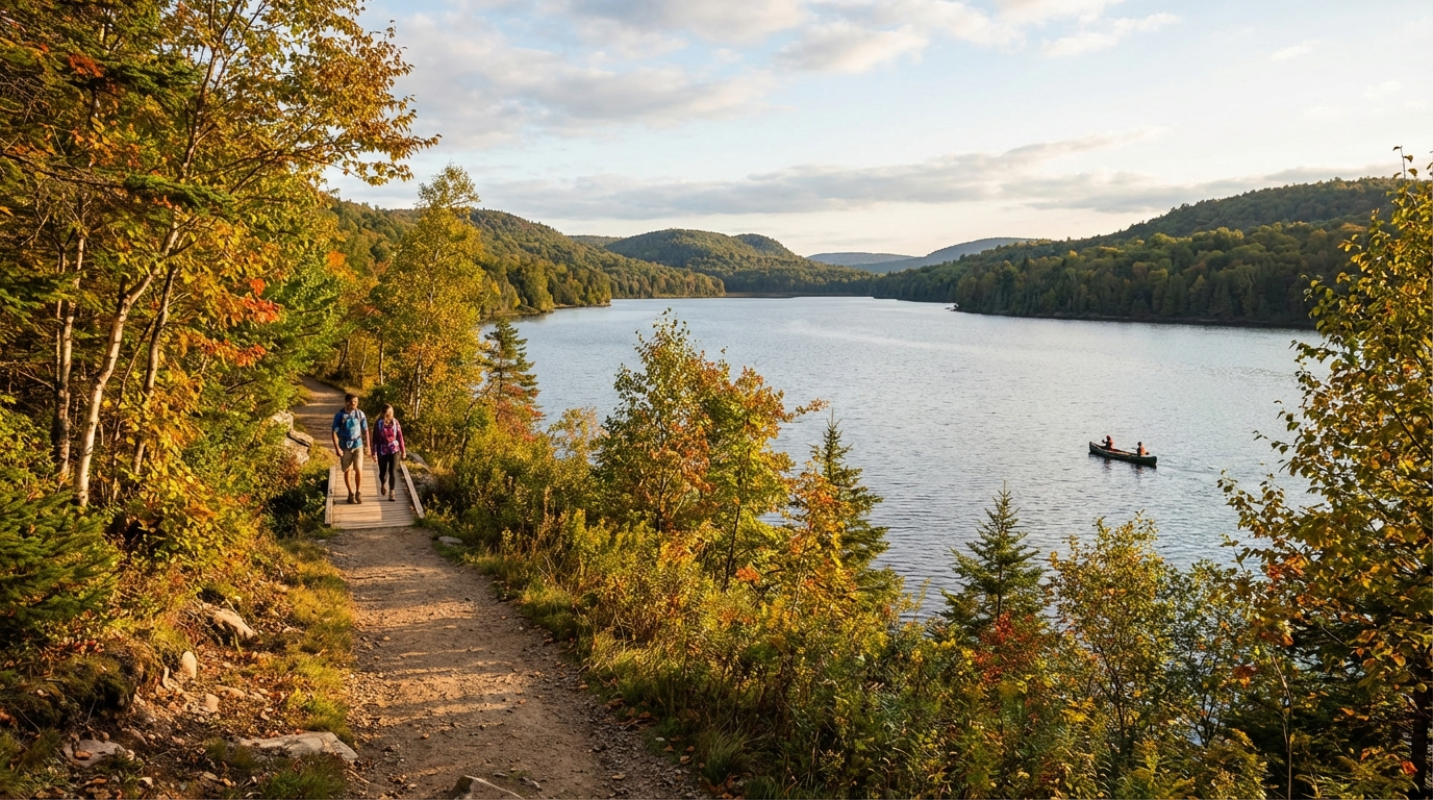
For you, this means readily available infrastructure supporting low-impact exploration. You’ll find modern marinas, easy access points for kayak and paddleboard rentals, and extensive river trail systems perfect for biking or walking. These towns are prioritizing nature-based solutions, like the Hudson River Sustainable Shorelines Project, which focuses on using natural materials for erosion control to improve habitat value.
But balancing preservation with visitor influx is a constant challenge. These communities are working hard to manage congestion, especially during peak season, often by promoting shoulder-season travel and encouraging visitors to explore less-known areas. They want you to come, but they want you to respect the environment that makes the town special.
Top Recommendations for Your Next Visit
If you’re ready to trade the ocean waves for river currents, here are a couple of destination ideas that perfectly blend outdoor adventure with cultural depth
- Chattanooga, Tennessee - Known as the "Scenic City," Chattanooga is a genuine outdoor hub situated on the Tennessee River. It has successfully reinvented itself into a destination perfect for kayaking and fishing, coupled with a booming tech and food scene.
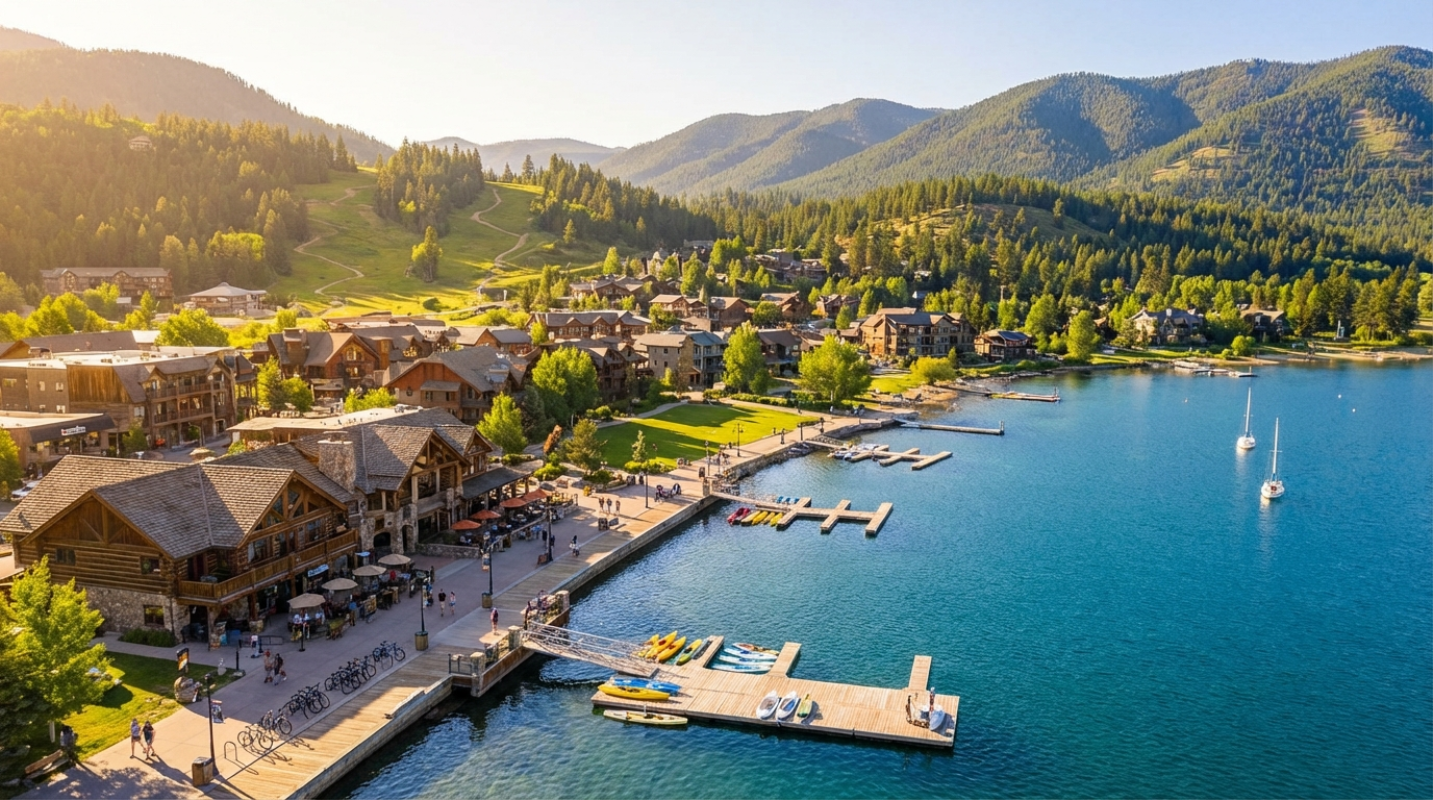
- Coeur d’Alene, Idaho - This beautiful town on the Coeur d’Alene Lake and its surrounding rivers offers everything from parasailing in summer to nearby ski resorts in winter. It’s an ideal base for exploring the wilder side of the Pacific Northwest.
Beyond the Postcard Living and Investing in River Towns
The appeal of these scenic spots extends far beyond a weekend getaway. The recent surge in remote work has accelerated the migration toward smaller markets that offer a high quality of life. For many professionals, a river town offers the perfect equation: lower cost of living than a major metro area, immediate access to nature, and the cultural amenities that were built during the restoration boom.
The housing market in these areas reflects this appeal, as people seek the charm of historic architecture combined with modern, fiber-optic connectivity. You can have your quiet mornings watching the fog lift off the water and still be in a high-stakes video call minutes later.
What truly defines these places, though, are the unique local events that celebrate the river itself. Think of the annual Riverboat Days festivals along the Mississippi, or the dedicated harvest celebrations in the Hudson Valley that link the river to the region’s agricultural heritage. These events aren’t just tourist traps; they are expressions of community pride.
The future trajectory for these scenic river communities is clear: they will continue to thrive by focusing on sustainability and accessibility. They’ve proven that environmental health and economic prosperity aren't mutually exclusive. They offer a powerful model for small-town living in the 21st century, reminding us that sometimes, the best path forward is the one that follows the river.
Sources:
2. Hudson River Sustainable Shorelines Project
3. Along the Mississippi, industrial neighborhoods are forging a new relationship with the river
The information provided on MyUSAI regarding travel destinations, including but not limited to routes, prices, cultural descriptions, and historical data, is for general informational and educational purposes only.