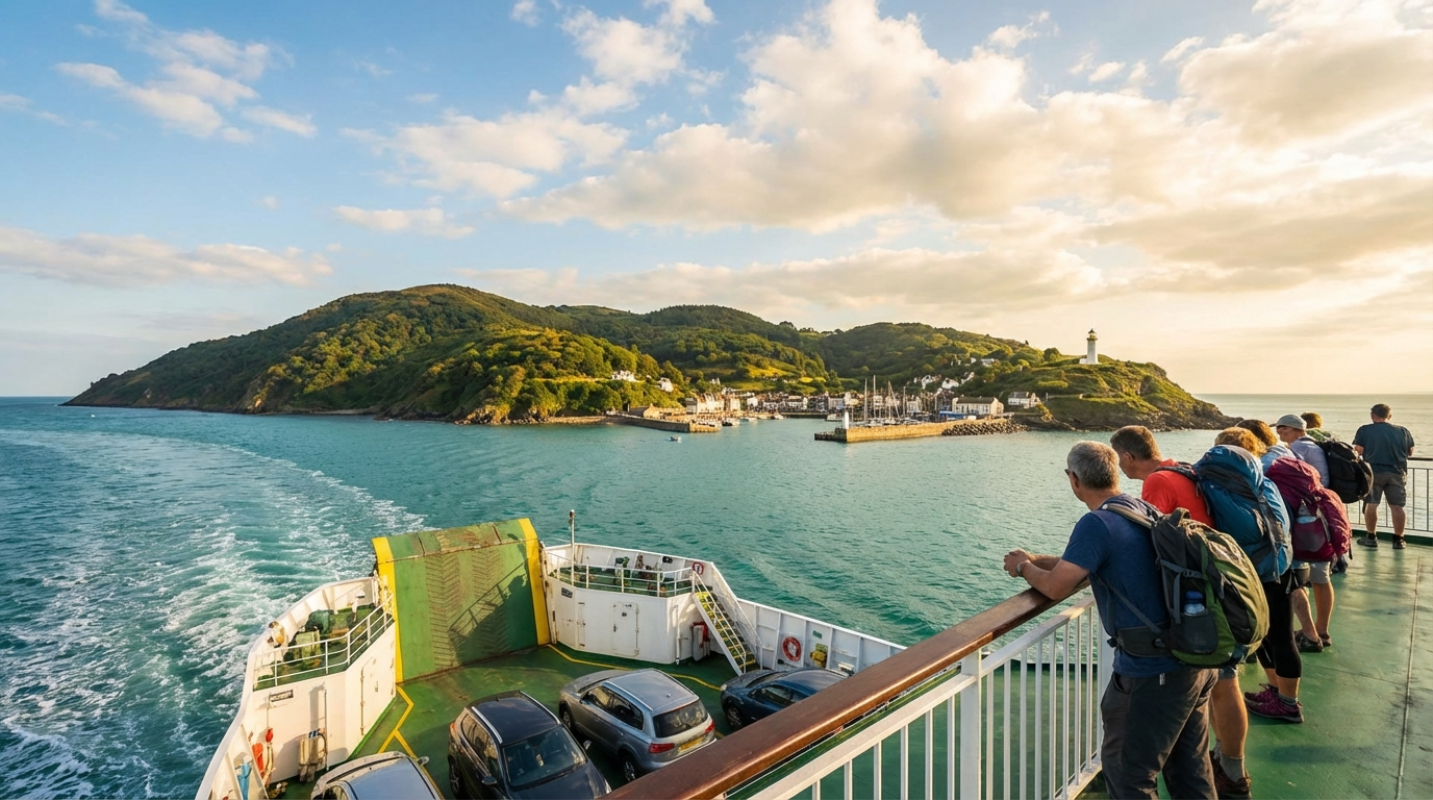
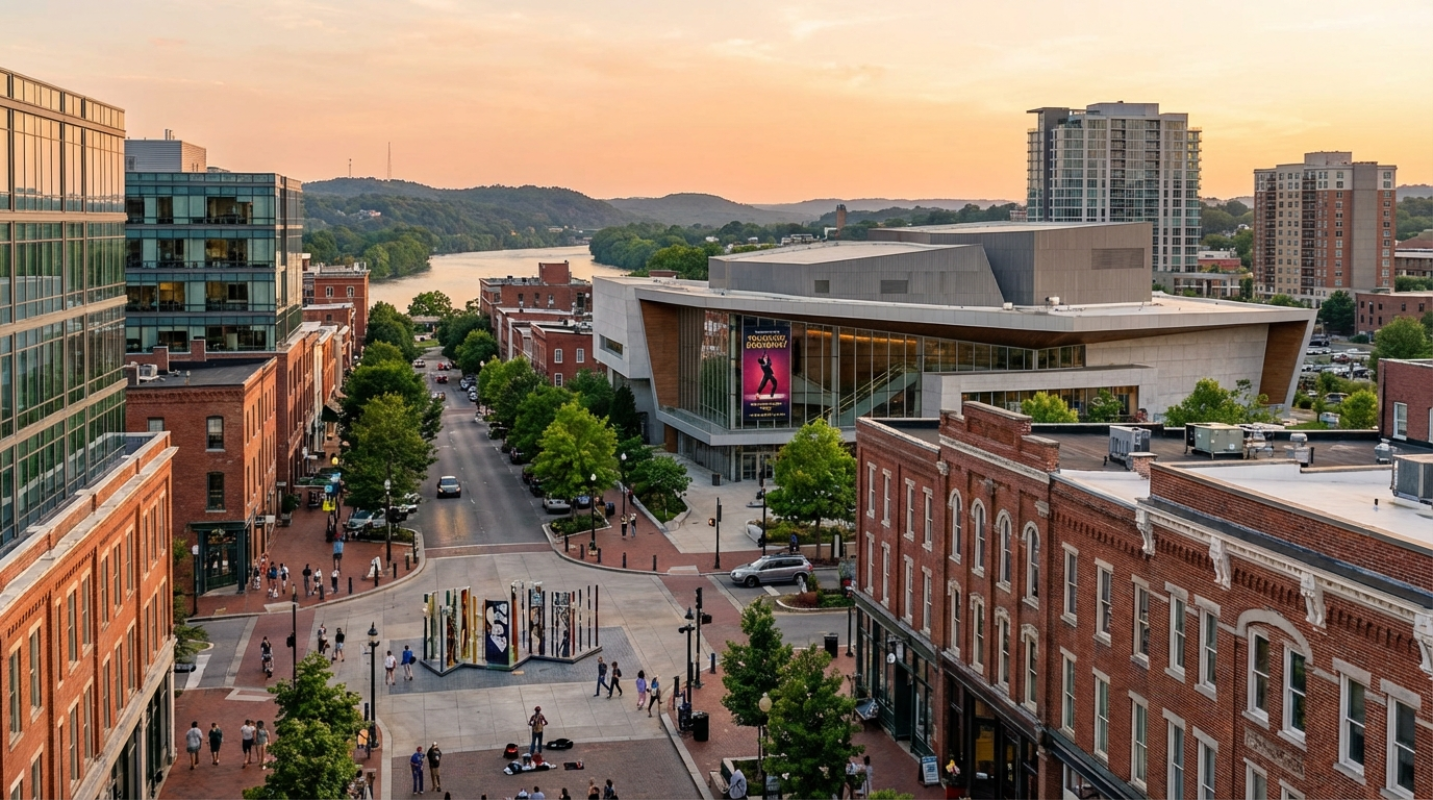
 (Image source: Gemini)
 For decades, the American dream of success was inextricably linked to the towering skylines of Manhattan, the sprawling complexity of Los Angeles, or the relentless innovation of Silicon Valley. These megacities offered the promise of opportunity, culture, and connectivity that seemed unavailable anywhere else.
But let’s be so for real - that dream often came packaged with a crushing reality. It involved rents that consumed half your income, commute times that stole two hours of your day, and a feeling of anonymity that made the city feel less like a community and more like a high-rise storage unit for humans. Sound familiar?
In the current environment, the script has completely flipped. A quiet, yet powerful, migration has been underway. Americans, particularly knowledge workers and young families, are trading the stress and cost of massive metros for a new generation of mid-sized hubs. These are cities with populations often under 750,000, places that have managed to curate big-city amenities - world-class dining, growing arts scenes, and sophisticated infrastructure - without sacrificing affordability or quality of life.
This isn't just about escaping high taxes. It’s about optimization. It’s the confident assertion that you shouldn't have to choose between a fulfilling career and a manageable mortgage. These secondary cities are the new frontier of urban living, proving that true vibrancy doesn't require eight million residents. They are competitive, accessible, and poised for sustained economic growth that major coastal cities, struggling with affordability, simply cannot match.
Culture, Cuisine, and Connectivity
The biggest hurdle for mid-sized cities used to be the fear of cultural barrenness. If you moved out of New York, surely you were giving up opera, contemporary art, and Michelin-star dining, right? Not anymore.
The Culinary Revolution
The food scene in America has democratized. You no longer need a massive market to support culinary innovation. Look at cities like Asheville, North Carolina, or Omaha, Nebraska. These places are consistently producing James Beard Award finalists and developing unique regional cuisine that draws national attention. Chefs are choosing these locations because the overhead is lower, the local produce is excellent, and they can build genuine relationships with their diners. They are creating hyper-local, high-quality dining experiences that feel personal, not transactional.
Think of it this way: New York City has thousands of restaurants, but how many are within easy reach of your apartment, and how often do you actually go? In a city like Madison, Wisconsin, you can access the best dining spots in town within a 15-minute drive, allowing you to engage with the culture frequently, not just on special occasions.
Arts, Entertainment, and Access
When we compare cultural offerings, the key distinction is Volume versus Density and Access. Major metros possess the sheer volume of niche offerings, the 300+ annual festivals, and the 83 major museums of a place like New York. But what good is an unmatched volume if accessing it requires a 45-minute subway ride, $60 in parking, and navigating crushing crowds?
Smaller cities offer a superior per capita cultural experience. Take New Orleans, Louisiana. Although its population is modest, it ranks as one of the most cultured cities in America, having 39 landmarks and 43 art galleries per 100,000 people⁹. That concentration means you, the resident, are far more likely to engage with the culture on a weekly basis.
Experts agree that the primary benefit of mid-sized cities is access. Residents report that they can enjoy 90% of the amenities found in larger cities with "5X easier access" due to less traffic, free parking, and walkable downtown areas⁷. When it’s easy to attend, you attend more often. This accessibility breeds a deeper, more frequent cultural engagement that often feels lost in the density of a major metropolis.
Connectivity and the Knowledge Economy
The rise of high-speed internet, 5G networks, and sophisticated co-working spaces has made geographical location less restrictive for the knowledge worker. You can be a software developer for a San Francisco company while living in Boise, Idaho, or Chattanooga, Tennessee. The infrastructure required to support a modern, remote workforce is now standard in these emerging hubs. This connectivity has been important, allowing these cities to attract high-earning individuals without needing massive corporate headquarters.
Affordability Meets Opportunity
The defining economic story of the mid-2020s is the continued shift of economic momentum away from the most expensive coastal hubs toward more affordable, high-growth mid-sized cities. The data is clear: affordability is now the primary engine of domestic migration and subsequent economic expansion.
The Cost of Living Advantage
In cities like San Francisco or Boston, housing affordability challenges have crippled growth, leading to a net outflow of domestic migration since 2018². Meanwhile, mid-sized cities are attracting movers, leading to higher average job and wage growth from 2022 to 2023. Why? Because lower housing costs free up capital for local spending and make it easier for companies to recruit top talent.
Look at the standout performers. Gilbert, Arizona, a prime example of a burgeoning mid-sized city, was ranked as a top city for economic growth in a recent 2024 study. Gilbert saw a staggering 38% GDP growth and a 10% population increase between 2018 and 2022³. This explosive growth is driven by booming sectors like tech and life sciences, supported by a highly educated workforce. Similarly, St. Petersburg, Florida, benefited from an 81% increase in business applications⁴, fueled by innovation-friendly policies and its attractive location.
These cities aren't just cheaper; they are genuine economic powerhouses writing their own growth stories.
Entrepreneurial Ecosystems
If you’re a startup founder, the decision to launch in a mid-sized city is often purely pragmatic. Lower commercial rents mean lower overhead. Local governments are often quicker to offer tax incentives and support programs to attract new businesses, knowing that a single successful company can transform their local economy.
In a massive city, your startup is one of thousands. In an emerging hub like Raleigh, North Carolina, or Pittsburgh, Pennsylvania, you become a key player, often gaining access to local capital and community support that is simply unattainable amidst the noise of New York or LA. This strong community cohesion fuels local investments and faster scaling for new ventures.
Green Space and Genuine Community
Perhaps the most compelling argument for the mid-sized city is the daily, tangible improvement in quality of life. This isn't about metrics or GDP; it’s about your time and your mental health.
Access to Nature
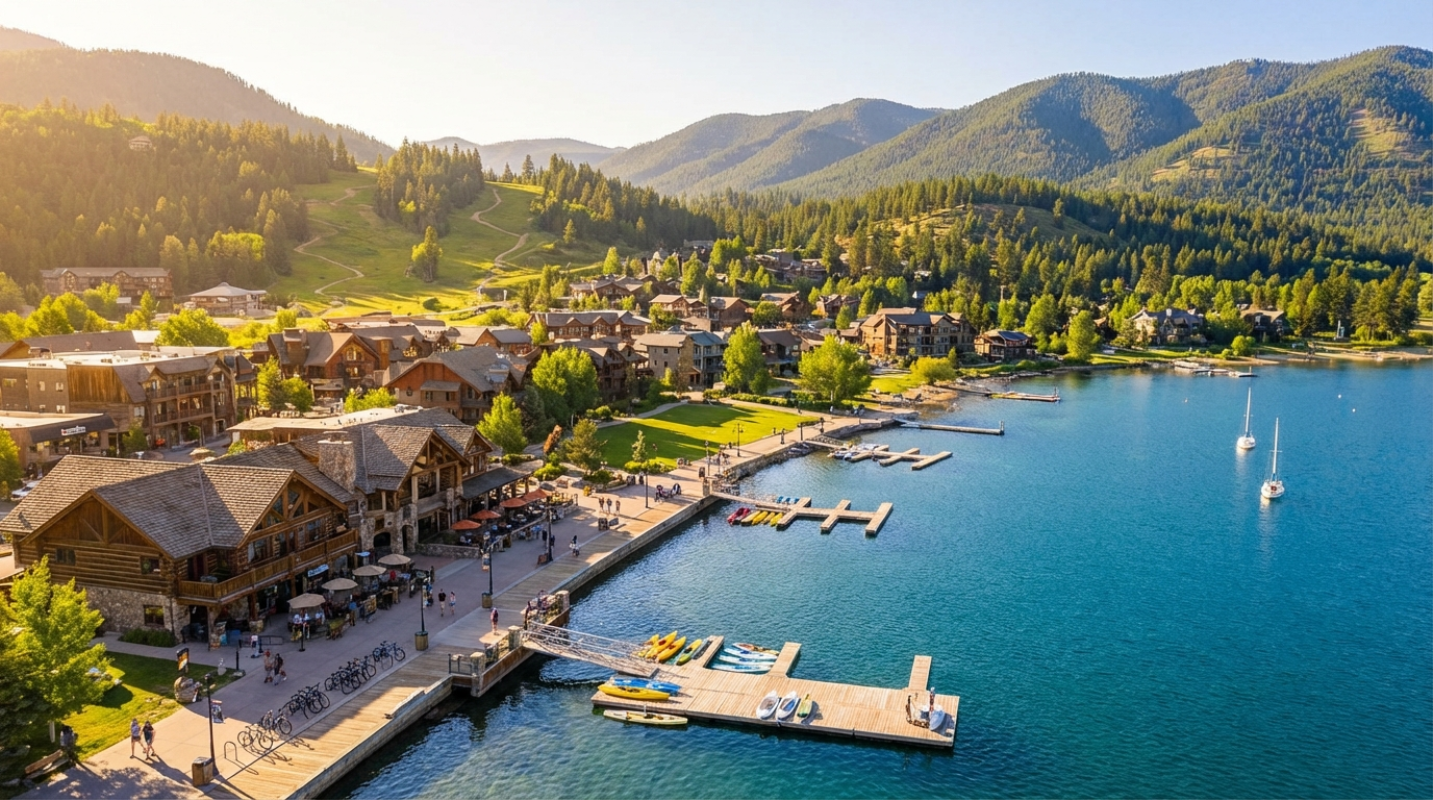
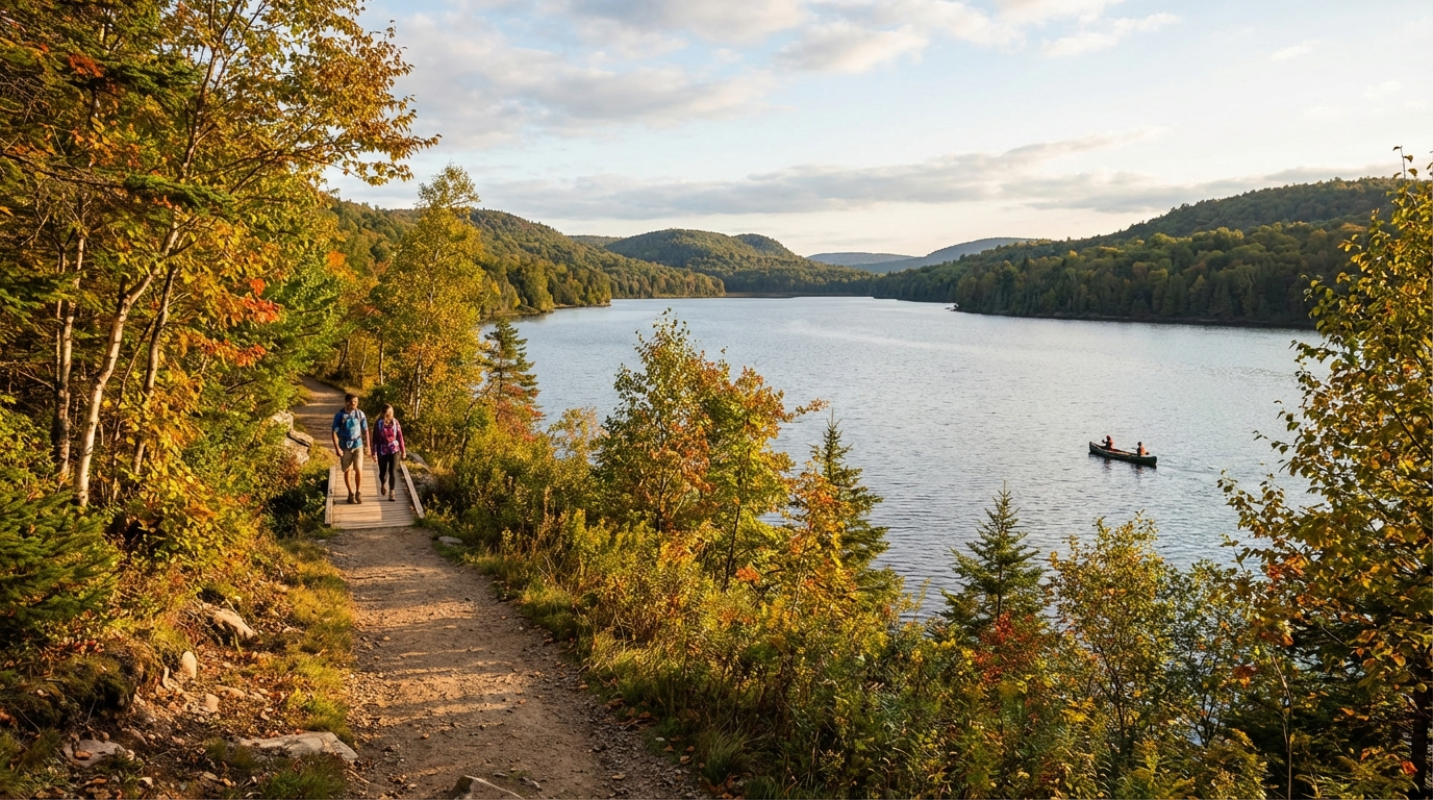
Big cities often require a full-day commitment just to escape the concrete jungle. Mid-sized cities, especially those in the Mountain West or Southeast, offer immediate access to nature. You can finish work at 5 PM and be on a hiking trail or kayaking on a river by 5:30 PM.
Whether it’s the proximity to the Appalachian Mountains near Greenville, South Carolina, or the easy access to the Rockies from Boise, Idaho, this ability to integrate outdoor recreation into daily life is a massive draw. It offers an important counterbalance to professional stress that high-density cities simply cannot provide.
The Gift of Time
The single greatest benefit is the reduction in commuting. Although residents of major metros often spend an hour or more stuck in traffic each way, most mid-sized cities boast significantly shorter commute times. What does saving an hour a day mean for you? It means more time for family, for hobbies, for exercise, or simply for relaxing. That saved time is, effectively, found money and found life.
When everything you need - your office, your favorite restaurant, your child's school, the local art gallery - is within a 20-minute radius, the overall urban stress level plummets. This is the "Access" advantage in its purest form⁷.
Community Cohesion
In smaller, more manageable urban environments, the feeling of belonging is stronger. It’s easier to get involved in local politics, volunteer for a cause, or simply recognize your neighbors. You aren't just one face in the crowd; you are a constituent, a patron, a neighbor. This cohesion leads to a higher degree of civic engagement and a genuine sense that you have a stake in the city’s future. These cities feel like places where you can, and do, make a difference.
Spotlight Cities
The ongoing success of secondary cities proves that the definition of "big city attractions" has fundamentally changed. It’s no longer about total volume; it’s about density, access, and sustainable growth.
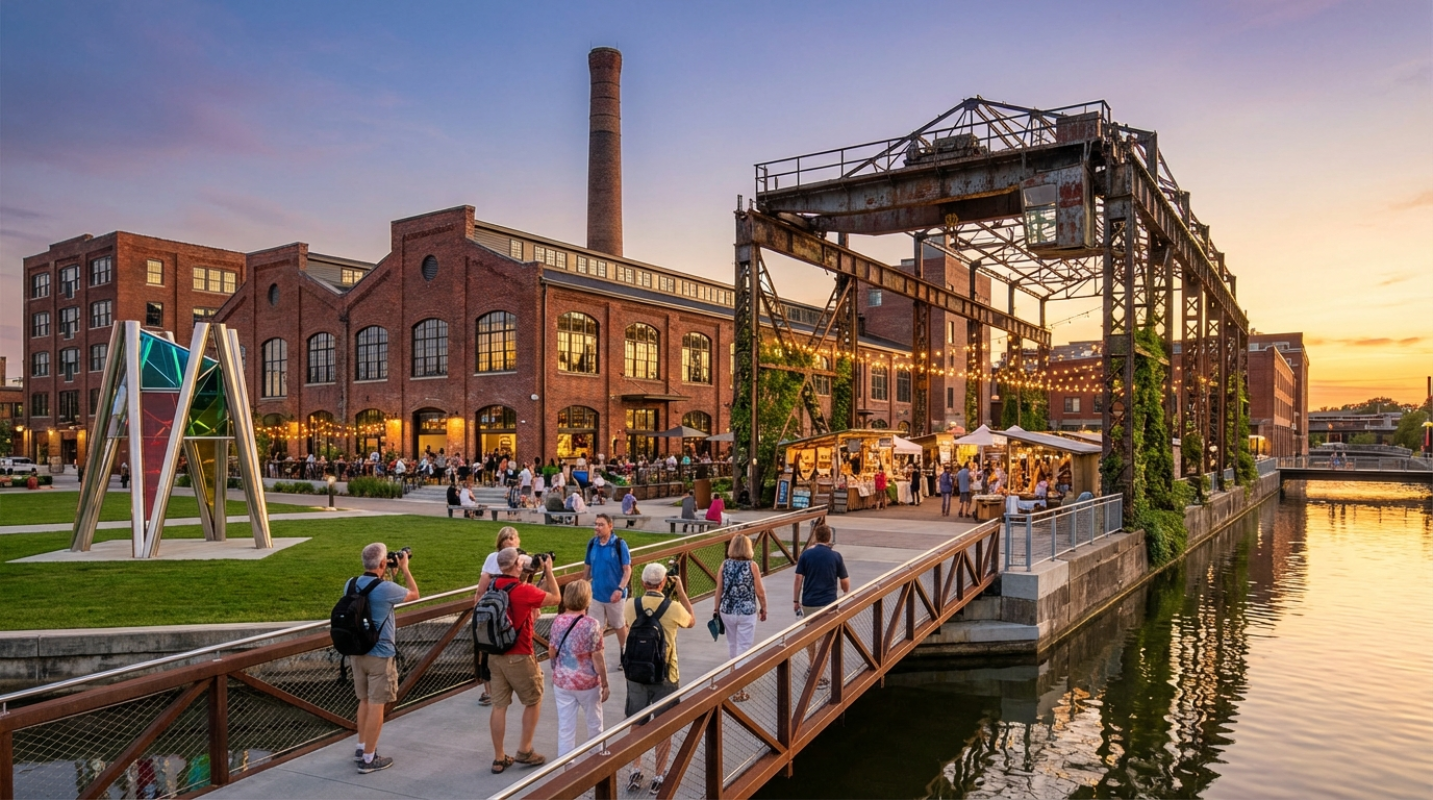
Cities that were once industrial centers, like Pittsburgh, Pennsylvania, have successfully reinvented themselves as hubs for healthcare, robotics, and higher education, offering active cultural scenes without the insane housing costs of the Northeast Corridor. Greenville, South Carolina, has transformed its downtown into a walkable, attractive center for tech and advanced manufacturing, providing a high quality of life with immediate access to natural beauty.
These cities, along with others like Madison, Wisconsin, and Raleigh, North Carolina, demonstrate an important balance: they are large enough to support professional sports teams, major concert venues, and sophisticated arts organizations, yet small enough to maintain affordability and minimize daily stress.
If you are currently evaluating your next professional move or perhaps simply seeking a lifestyle upgrade, the time has come to look past the conventional coastal giants. The great attractions of modern urban life - opportunity, culture, and community - are now available in places that offer something the major metros have long since forgotten: the ability to breathe. Research these mid-sized markets. You might find that the biggest city you need is one that lets you live large without paying the price.
Sources:
- Best Performing Cities: Mapping Economic Growth in the U.S.
- Metro Monitor: Growth and Affordability Trends
- These US Cities Lead in Economic Growth
- Top U.S. Cities for Economic Growth in 2024
- American Growth Project: Top-Performing EMAs
- Top Cities for Economic Growth Analysis
- Small/Mid-Sized Cities vs. Big Cities Discussion
- America's Most Cultured Cities: Newsweek Report
- America’s Most Cultured Cities Research
- Exploring America's Active Urban Culture
The information provided on MyUSAI regarding travel destinations, including but not limited to routes, prices, cultural descriptions, and historical data, is for general informational and educational purposes only.