 (Image source: Gemini)
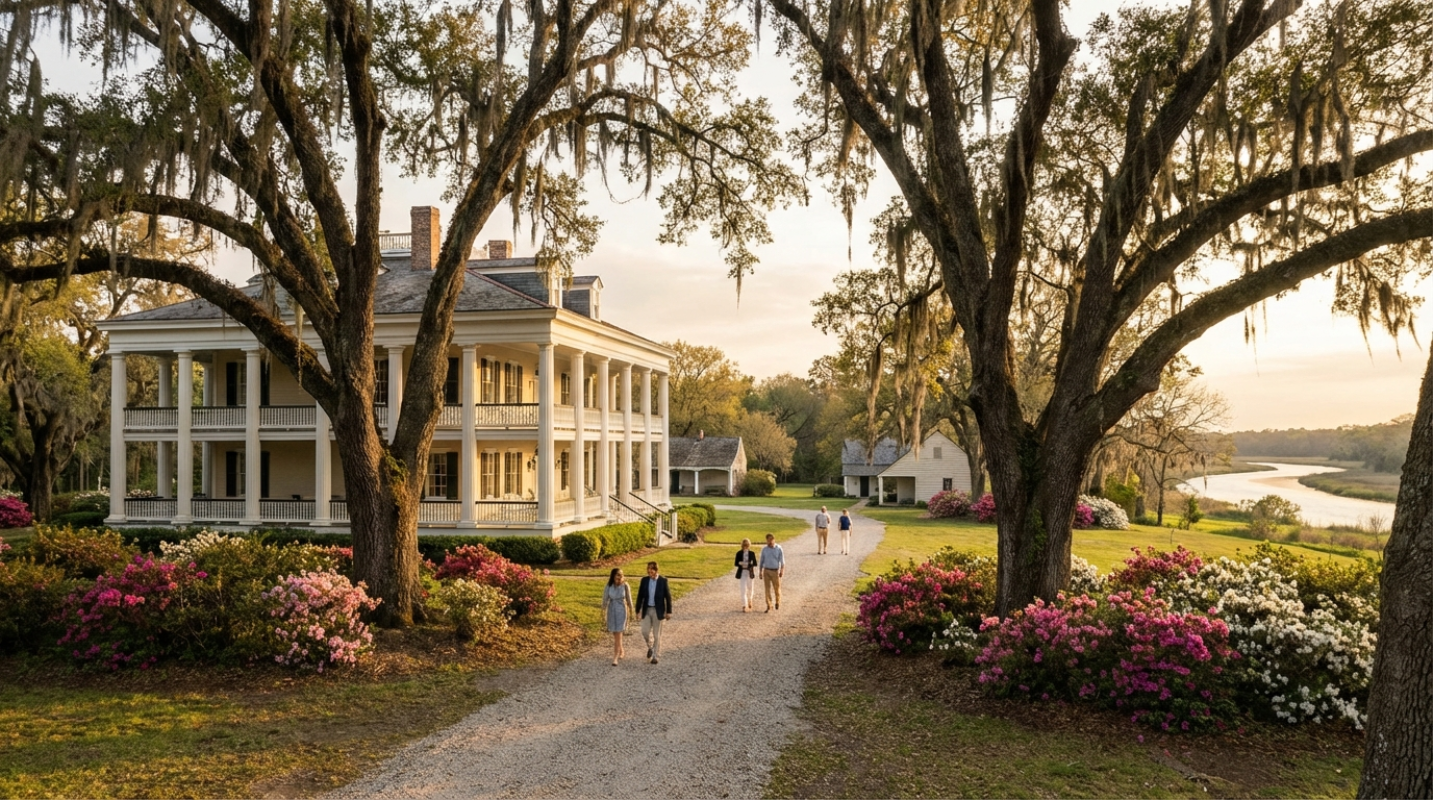
 When you think of the American South, you probably picture those iconic, columned estates, often shrouded in Spanish moss and a certain manufactured romance. We all know that the history embedded in those beautiful spaces is complex, often painful, and intrinsically tied to the brutal institution of forced labor.
For decades, many preserved Southern plantations emphasized the architecture, the heirlooms, and the lives of the planter families. Today, that narrative is shifting dramatically. These sites are transforming into needed living history museums that offer complex perspectives on the antebellum South, the economics of slavery, and the struggles of emancipation.
The thesis is simple: visiting these preserved towns now means engaging with a far more complete history. Preservation efforts are moving away from architectural worship and toward complete historical interpretation, prioritizing the voices of the enslaved and their descendants. This journey isn't just about admiring old buildings; it's about understanding the foundation of American wealth and inequality.
Charleston, South Carolina
Charleston is perhaps the first city that springs to mind when discussing preserved Southern history. It’s a city whose tourism industry, generating billions annually, has long relied on selling that image of coastal grandeur. But the pressure to interpret history ethically has never been higher, and Charleston’s plantation sites are leading the way in updating their tours.
The goal now is what preservationists call the "Dual Imperative": balancing the physical preservation of the architecture with the intellectual interpretation of forced labor. You can’t talk about the Big House without talking about the labor that built it.
Consider McLeod Plantation Historic Site. Although many plantations are still catching up, McLeod is explicitly dedicated to centering the African American experience, providing an unflinching view of the enslaved people’s lives and their legacies immediately following the Civil War.¹ This focus on continuity and community agency matters to understanding the transition from bondage to freedom.
Even sites famous for their aesthetics are changing. Boone Hall Plantation & Gardens, known globally for its breathtaking Avenue of Oaks, has incorporated in-depth Gullah presentations. These tours don't just show the manicured space; they educate visitors about the Gullah-Geechee culture that survived and thrived despite the immense oppression of the rice and indigo economies.
What you see in Charleston is a model of modern stewardship. These sites are moving beyond surface-level history, using archaeological findings and oral histories to humanize the nearly four million people once considered property. They are making sure that the stories of enslaved and free Black communities are the central narrative, not just an addendum to the story of the planter family. If you’re looking for where history is being actively rewritten and reinterpreted for a contemporary audience, Charleston is where you start.
Natchez, Mississippi
Travel west to Natchez, Mississippi, and you encounter a different, more complicated preservation challenge. Natchez is unique for its sheer density of preserved antebellum homes, many of which remain privately owned but open for tours, particularly during the traditional Spring and Fall Pilgrimages. This is the "City of Antebellum Homes," built on the extreme wealth generated by the 19th century’s massive cotton trade.
The challenge here is reconciling Natchez’s exquisite, carefully scrubbed façade of Southern elegance with the inconvenient, brutal truths that built it. Privately owned homes often prioritize family heirlooms and architecture, sometimes marginalizing the discussion of slavery to protect the family’s historical reputation.
But the federal government is stepping in to ensure accountability. Look at Melrose Plantation, now part of the Natchez National Historical Park. The National Park Service (NPS) is actively shifting the narrative away from the planter family (the McMurrans) and toward the enslaved community.
Recently, the NPS ran an exhibit titled "Through the Labor of Others: The McMurrans as Enslavers." This exhibit didn't just mention slavery; it included the known names of nearly 400 enslaved people, forcing visitors to confront the scale of the operation. Plus, the Natchez Visitor Center is undergoing a multi-million dollar renovation to update its exhibits and film, ensuring the new gateway to the city provides a historically accurate context.²
The city must find a harmonious existence between its sightseeing pleasures and its terrible past, including the site of the former slave market known as Forks of the Road. Natchez demonstrates the difficulty when historical preservation meets modern ethical demands, especially where private versus public ownership dictates the interpretive approach. When you visit, you’re witnessing a town actively wrestling with its history in real-time.
Richmond, Virginia
Moving north to Richmond, Virginia, we shift from coastal or rural plantation economies to sites deeply integrated into the urban fabric and the core political context of the Civil War. Richmond was the capital of the Confederacy, meaning its preserved estates can never escape the immediate context of secession, war, and subsequent emancipation.
In Richmond, former tobacco plantations often abut modern suburbs or have been absorbed into the city’s growth, such as Maymont, a former estate that is now a massive park. These locations necessitate an interpretation that instantly integrates the story of the Confederacy and the immediate aftermath of emancipation and Reconstruction.
The story here isn't just about the before; it’s about the after. How did formerly enslaved people handle freedom mere miles from the Confederate White House? How did the land change hands? The involvement of state and national park services in maintaining historical integrity near sites of immense conflict matters. They often use these plantations to launch discussions about the transition period, which is often glossed over in traditional Southern history tours. The close proximity of these sites to battlefields and government buildings makes the political and social transformation feel immediate and tangible.
Top Recommendations for Interpretive Tours
If your goal is to seek out plantations that prioritize a complete, unromanticized view of the past, focusing on labor history and the lives of the enslaved, these towns are where you'll find the most progressive interpretation models.
- Charleston, SC - Focus on McLeod Plantation Historic Site for its explicit focus on African American life and legacy.
- Natchez, MS - Visit Melrose Plantation (NPS) to see how federal resources are forcing a scholarly reevaluation of the past.
- Richmond, VA - Explore sites connected to the immediate aftermath of the Civil War to understand the complex steps of Reconstruction.
Moving Beyond the Big House
The preservation movement is finally acknowledging a fundamental flaw in its past approach: the focus on the "big house" often relegated the slave cabins and work sites to the shadows, an approach scholars term symbolic annihilation.³ If you only see the grand architecture, you miss the human cost.
Today, the future of preservation is about accountability and authenticity. It’s no longer enough to offer a beautiful home tour with a brief, sad mention of slavery. Site directors now have a professional responsibility to maintain relevance and address contemporary social dialogues surrounding race and economic inequality.
Current trends are replacing purely architectural tours with deep dives into oral histories, archaeological findings, and digital archives. These tools allow sites to recover the names, family connections, and specific anecdotes of the enslaved, humanizing them and giving them agency that the historical record often denied.
This shift isn’t just driven by academic pressure; it’s driven by you, the visitor. Research shows that the average tourist is actually interested in a more complete history and wants to hear more about slavery. They are seeking ethical engagement, not just entertainment.
Visiting these preserved towns offers a needed, changing understanding of American history. They show us that preservation isn't about freezing the past; it’s about actively interpreting it, challenging old myths, and making sure that the legacies of all who lived and labored on that land are honored. The South’s history is still being written, and these preserved plantations are where you can read the latest, most honest chapters.
Sources:
1. The 4 Best Charleston Plantations
2. Natchez National Historical Park Places
3. How Southern Tourism Has Rewritten American Slavery History
The information provided on MyUSAI regarding travel destinations, including but not limited to routes, prices, cultural descriptions, and historical data, is for general informational and educational purposes only.