 (Image source: Gemini)
 When you plan a trip to America, your itinerary probably looks familiar: New York, Chicago, Los Angeles, maybe a stop in the obvious historical hubs like Boston or Philadelphia. State capitals, but rarely make the shortlist. They’re often dismissed as bureaucratic gray zones, filled with lobbyists, endless committee meetings, and buildings that look vaguely like they’re waiting for an audit.
But that perception is outdated, and frankly, you’re missing out.
Many state capitals are quietly changing into some of the most exciting, culturally rich, and genuinely affordable travel destinations in the country. They possess a unique blend of history, political gravity, and local pride that larger, more commercialized cities have often paved over. These are the places where the real culture of a state takes root. You’ll find world-class food, immediate access to nature, and deep historical narratives, all without the crowds or inflated prices of the tourist mega-cities.
It's time to stop seeing the state capital as merely the place where laws are made and start seeing it as the heart of regional identity. Let’s uncover America’s most overlooked gems.
Art, Music, and Modern Vibrancy
Forget the idea that culture only thrives on the coasts. Many state capitals are driving contemporary art movements and building independent music scenes that rival much larger metropolitan areas. These cities often benefit from having major universities or design institutions, which inject fresh energy and a demand for non-corporate entertainment.
Take Providence, Rhode Island. It’s compact, incredibly walkable, and possesses a sophisticated cultural depth that often surprises first-time visitors. This is due, in part, to the presence of the Rhode Island School of Design (RISD). The city is architecturally charming, featuring stunning historical districts. And you can spend hours exploring the vast collections at the RISD Museum, which conveniently offers free admission on Sundays.
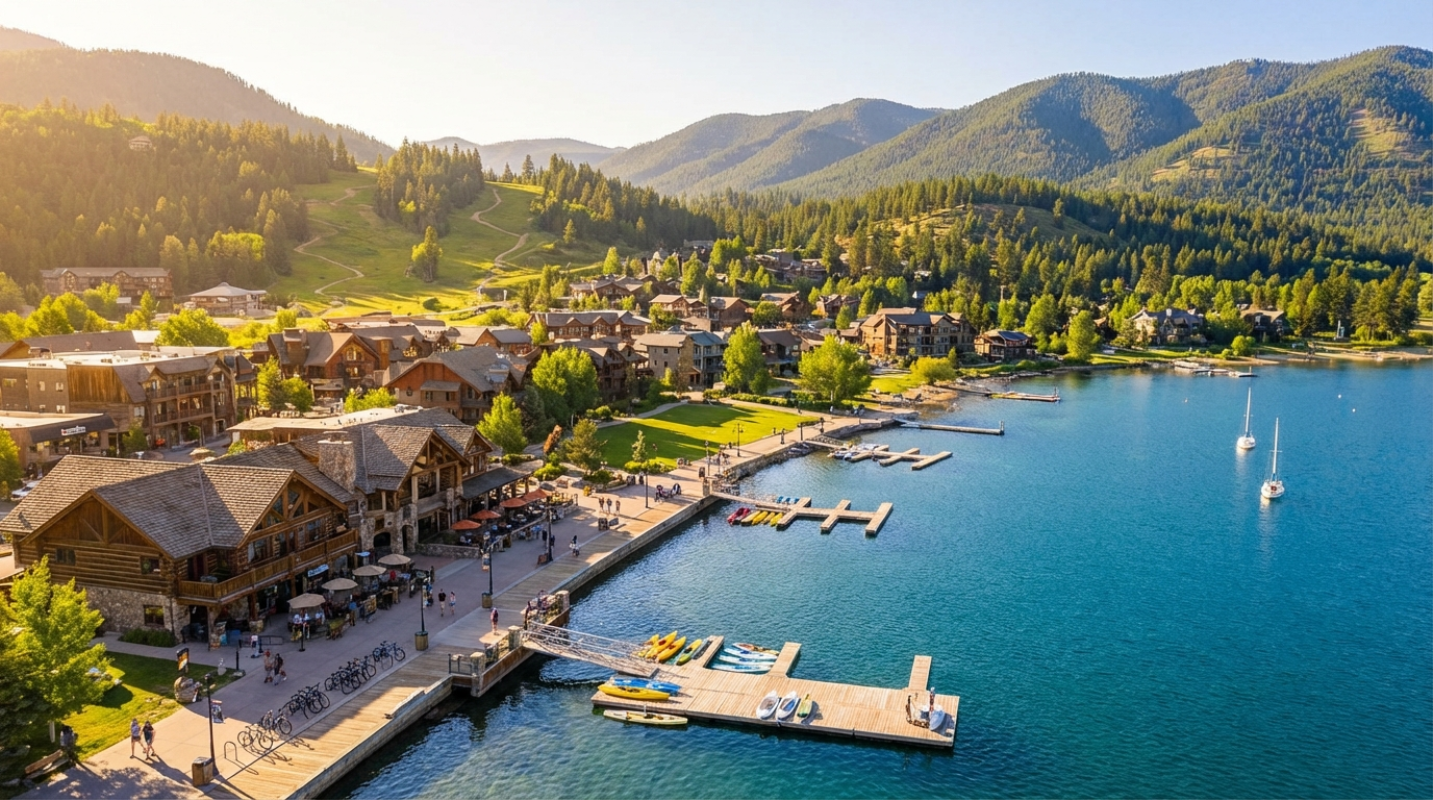
Meanwhile, thousands of miles away in Boise, Idaho, the cultural scene is less about historical institutions and more about modern energy. Boise is quickly becoming a must-visit spot for indie music, jazz, and theater fans. It hosts the Treefort Music Festival, an annual event that draws national attention for its innovative lineup and unique venues. The city is a perfect combination of city life and outdoor adventure, a truly modern melting pot.
These cities prove that the seat of government can also be the seat of creativity. They’ve used reorganization efforts to transform their downtown areas, making them appealing for travelers seeking authenticity over flash.
History Beyond the Monument
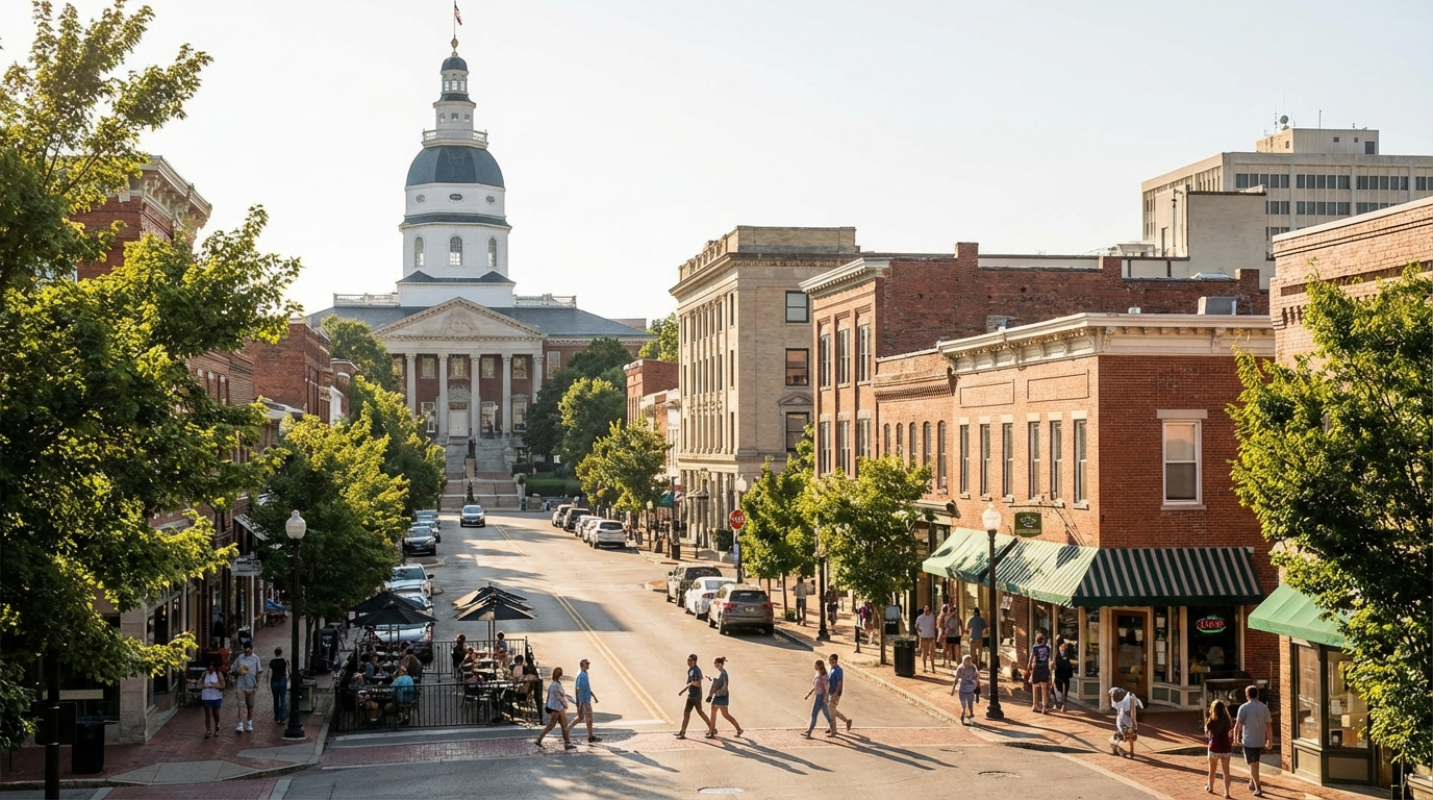
Although every capital features a requisite gold-domed statehouse, the real historical appeal of these cities lies in the niche stories they tell about American identity. You don’t just get the broad strokes; you get the deep, regional color that defines a state.
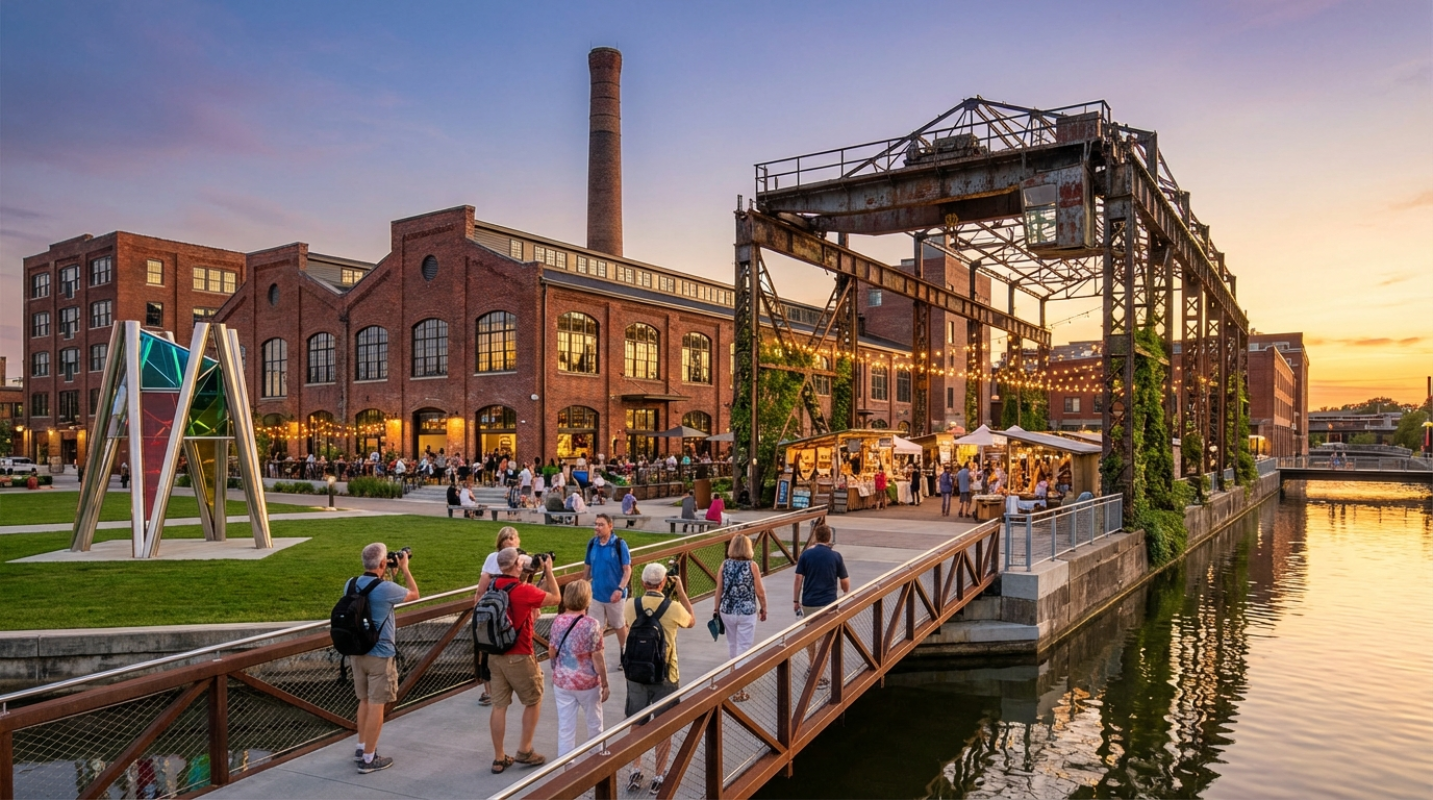
Consider Sacramento, California. Most people associate California history with Hollywood or the coastal missions. But Sacramento offers a fascinating glimpse into the frenzy of the Gold Rush era. Old Sacramento, a preserved Victorian district along the riverfront, lets you literally walk through the 19th century. It’s a beautifully maintained area that reminds you that this region, not the beaches, was the original economic engine of the West.
Then there’s Montpelier, Vermont, the least populous US state capital, with a population hovering around 7,500. You might think a capital this small couldn’t possibly hold much historical weight, but you’d be wrong. Vermont’s history is uniquely progressive. Its 1777 Constitution was the first written constitution in North America to ban adult slavery, an important detail often overlooked in national history textbooks. Montpelier offers a quiet, contemplative atmosphere for exploring this rich legacy, set against a backdrop of quintessential New England charm.
These capitals provide history without the hassle. Unlike the massive crowds at major historical parks in the Northeast, you can often explore these sites at your own pace, soaking up the narratives without feeling rushed.
Nature's Backyard
For travelers who value immediate access to the outdoors, certain state capitals provide an unbeatable combination of urban amenities and wilderness proximity. You can transition from a morning coffee at a downtown cafe to a challenging hike in minutes.
Boise, Idaho, stands out as a prime example. The city has expertly intertwined its urban core with the surrounding space. Visitors can easily access the 40-kilometer riverside Greenbelt trail for biking or strolling, often spotting rafters taking on the challenges of the Boise Whitewater Park. Hiking in the foothills of the Boise Mountains is immediately accessible from the city limits. It’s a place where the quality of life is immediately apparent, attracting residents who prioritize outdoor activity, which, in turn, fuels unique local tourism.
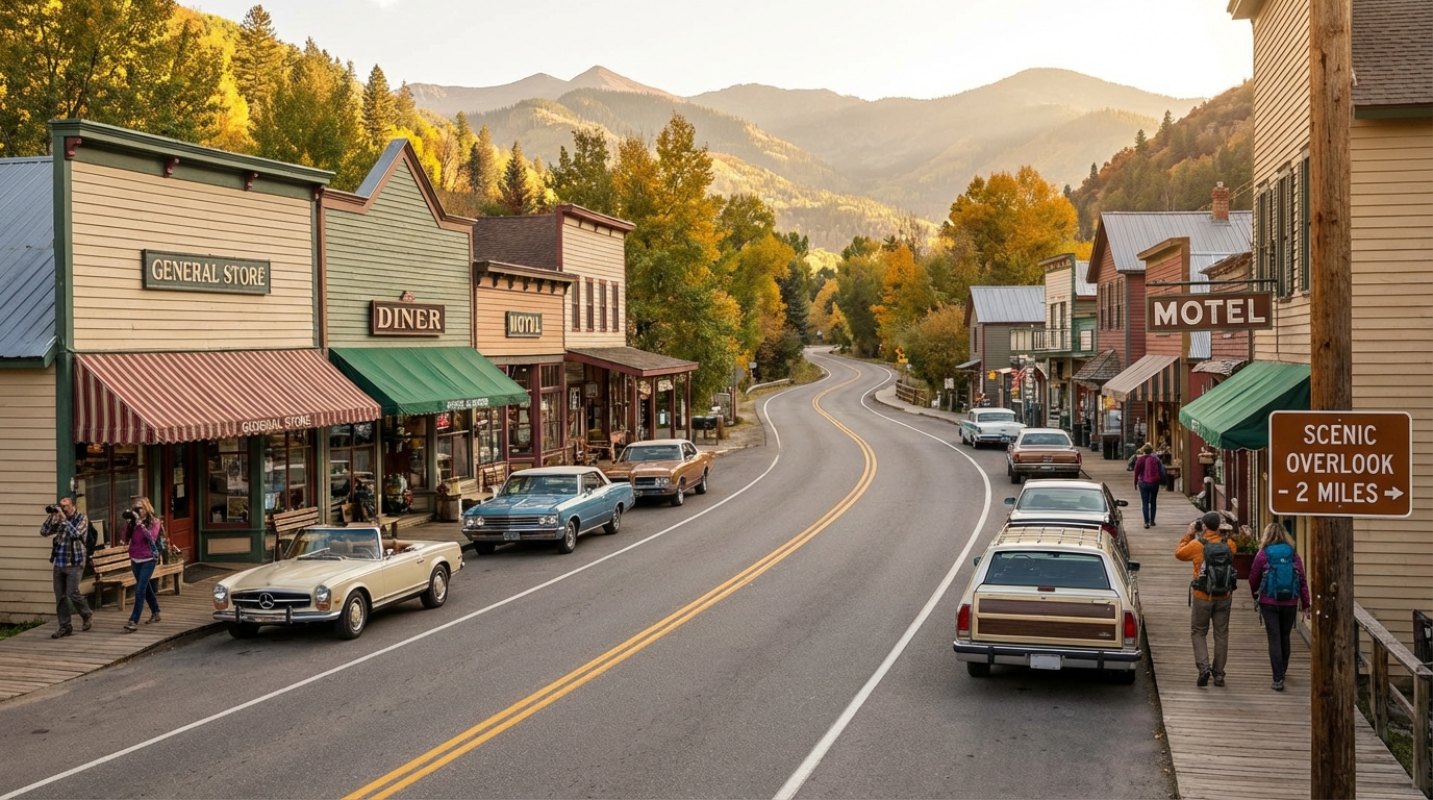
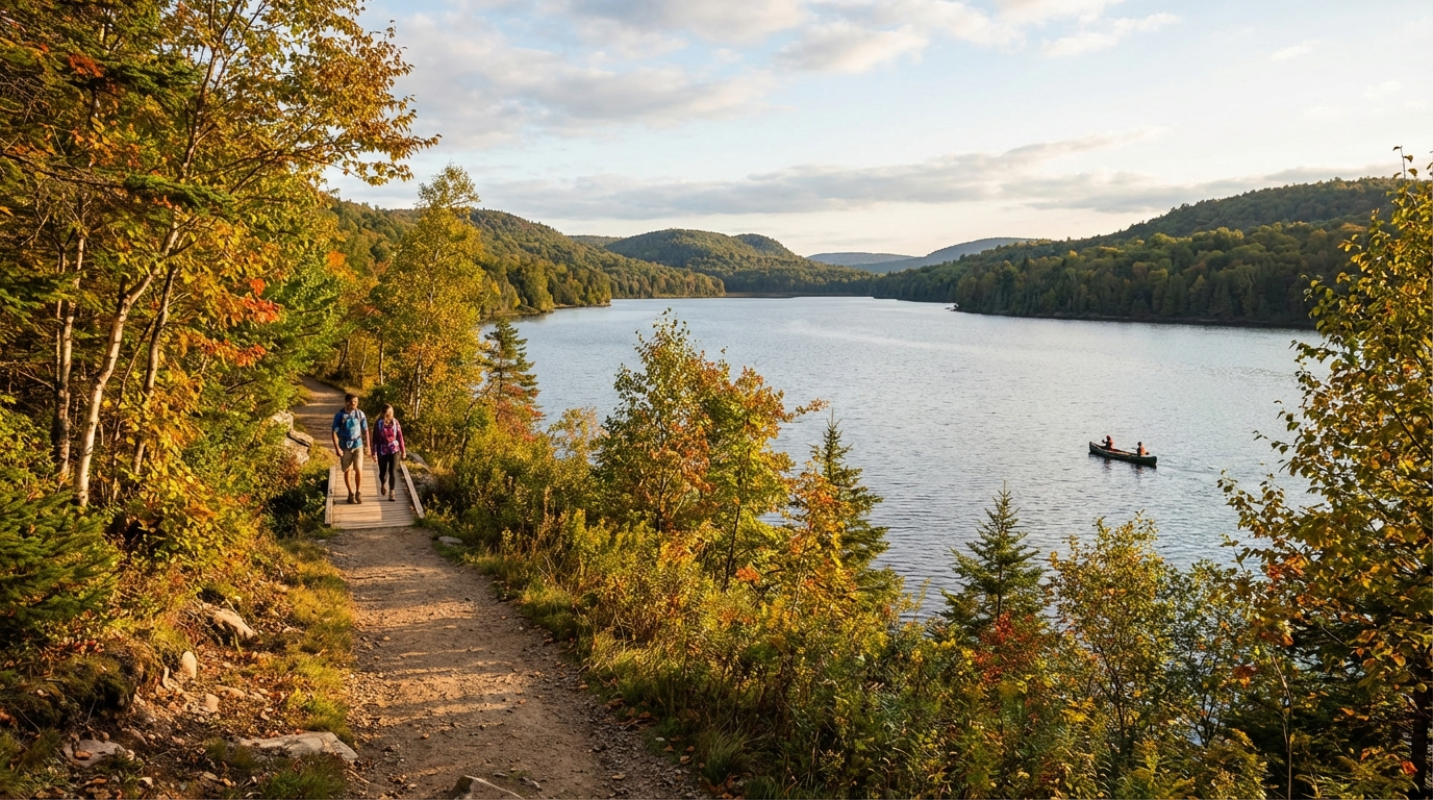
Similarly, Montpelier, Vermont, is ideally situated in the foothills of the Green Mountains. It’s a perfect destination for autumn leaf-peeping, offering stunning fall colors right outside the State House doors. Hubbard Park, which covers nearly 200 acres, provides over seven miles of trails for hiking and biking, giving you that necessary dose of nature just a short distance from the downtown area.
This urban-meets-wilderness dynamic matters for travelers who prioritize "rest and recharge" leisure. These cities allow you to enjoy cultural benefits while maintaining easy access to the restorative power of nature.
The Culinary Scene
If you think great American food is confined to New York and Chicago, you haven’t visited the agricultural capitals. The shift toward localism means that cities located close to major farming regions are now producing some of the most authentic and innovative dining experiences in the country.
Sacramento, California, proudly holds the title of "America's Farm-to-Fork Capital." This isn't just a marketing slogan; it’s an economic reality. The surrounding region generates billions annually in agriculture, supplying local restaurants and over 40 farmers' markets with incredibly fresh ingredients. The county's gross production value of agricultural commodities was over $536 million in 2024, with wine grapes being a massive cash crop.⁷ This proximity means chefs can truly focus on seasonality, delivering dishes that reflect the state's bounty.
Providence, Rhode Island, benefits from the strong culinary tradition built by Johnson & Wales University. The city is a dynamic culinary hub, recognized by major outlets for its diversity. Although Federal Hill offers classic Italian, the dining space includes innovative Portuguese, Latino, Indian, and Asian eateries. The anticipated debut of the Track 15 food hall in historic Union Station confirms the city’s focus on showing local talent.
Hidden Culinary Gems You Need to Find
Boise, Idaho, is another capital rapidly gaining culinary notoriety. Its food scene is a "melting pot of diverse flavors and global influences." The city is home to the largest Basque community in North America, centered around the iconic Basque Block, where you can find authentic restaurants like Bar Gernika. The recent opening of new fine dining concepts like Due West and the classic American spot The National shows the rapid upscale evolution of the downtown dining scene.
Montpelier, despite its size, also plays a serious role in New England’s farm-to-table movement, featuring highly-rated spots like Kismet and a strong local microbrew scene at places like the Three Penny Tap Room.
These culinary scenes are driven by independent owners and local agriculture, making sure the food you eat is genuine, regionally specific, and often more affordable than comparable quality in major cities.
The information provided on MyUSAI regarding travel destinations, including but not limited to routes, prices, cultural descriptions, and historical data, is for general informational and educational purposes only.