 (Image source: Gemini)
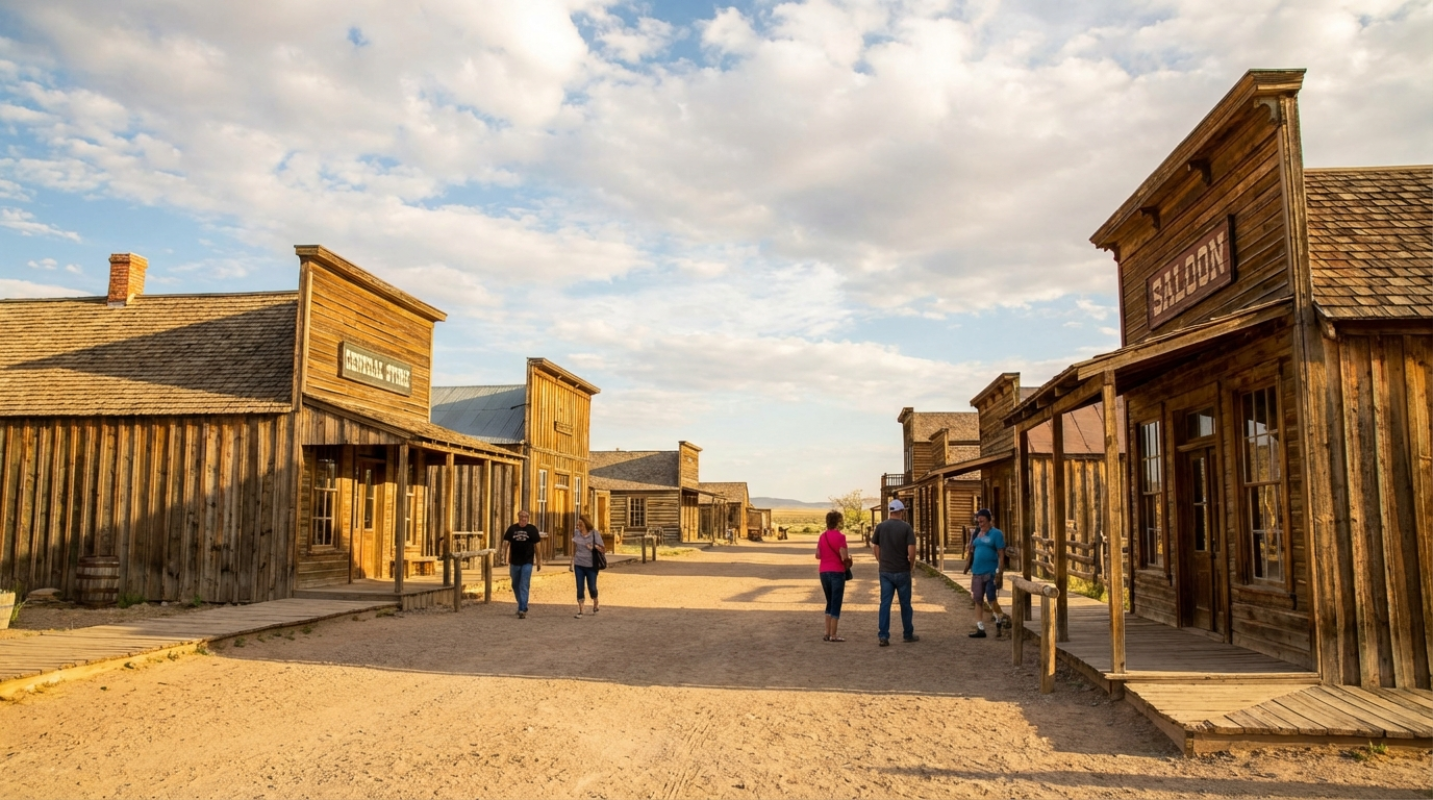
 Forget the dusty, derelict towns you’ve seen in spaghetti Westerns. You know the ones: a single tumbleweed, a rotting saloon, and maybe a lone sheriff waiting for a shootout. That romanticized image, while cinematic, rarely captures the tangible, messy reality of the American frontier. Today, the most compelling ghost towns in the West are meticulously preserved historical sites, open to the public, offering an immersive experience that no static museum could ever replicate.
These accessible sites, stretching from the high Sierra Nevada down to the scorching Desert Southwest, offer a direct line to the foundational narrative of the United States. They are places where you can walk the original boardwalks, peer into windows stocked with goods from the 1880s, and feel the sheer scale of the challenges faced by those who chased silver, gold, and opportunity.
So what does "open to the public" actually mean in this context? It means these places are protected, stabilized, and interpreted, often by state parks, federal agencies, or dedicated private foundations. They are protected not just from vandals, but from the relentless decay of time itself.
We’re going beyond the myth to explore the gold standard of Western historical tourism, focusing on the towns that have perfected the art of preservation and access. If you’re looking for authentic history without the Hollywood sheen, these are the places you need to prioritize in your travel plans.
The Gold Standard
If you want the purest, most immediate historical immersion, you need to seek out towns that adhere to the philosophy of "arrested decay." This preservation model is the key differentiator between a pile of rubble and a preserved historical moment.
The masterclass in this approach is arguably Bodie State Historic Park in California. Located at a bracing 8,375-foot elevation, Bodie is maintained exactly as it was left when the last residents departed. It’s a place where the general store is still stocked with dusty canned goods, the pool hall still holds billiard tables, and the schoolhouse still has lessons written on the chalkboards.
The goal of arrested decay is stabilization. Structures are repaired just enough to prevent collapse, but they are not restored to their original luster. This ensures that the visitor experiences the town exactly as it appeared when the boom ended. Visitors are strictly prohibited from taking anything, even a small rock, from the park, maintaining the historic scene's integrity.
These premier towns, like Bodie, are often funded and maintained through a combination of state park fees and private trusts. The Bodie Foundation, like, offers specialized experiences that deepen the immersion. You can book private, two-hour walking tours and even Stamp Mill tours to see how the ore was processed, though you’ll need to plan ahead; reservations for the 2025 season are already being taken.³
Top Recommendations for Immersive History
- Bodie State Historic Park, CA - The intended "arrested decay" experience. Needed tours include the Stamp Mill and the seasonal after-hours Bodie Ghost Walks & Star Stories, which offer a completely different perspective.⁵
- Virginia City, NV - Although more developed than Bodie, this Comstock Lode town maintains functioning historic services, museums, and original architecture, offering a blend of living history and deep preservation.
- Jerome, AZ - Perched precariously on a hill, this former copper mining town has transitioned into a growing arts community while maintaining several key ruins and historical structures managed by the state park system.
Experiencing the Raw, Untouched Sites
Not every valuable ghost town experience involves a fully intact structure. Sometimes, the most powerful historical narrative is told through raw decay, managed carefully by government agencies to protect the cultural resources. These are the sites where you truly feel the harshness of the Western space.
Consider Rhyolite Ghost Town in Nevada, managed by the Bureau of Land Management (BLM).⁶ Rhyolite is a true ruin. Here, you aren't wandering through a preserved town; you are exploring the foundations of what was once a bustling community. The iconic structures, like the shell of the Cook Bank Building and the famous Bottle House, stand as monuments to the desert's unforgiving nature.
Visiting a site like Rhyolite requires a different approach than visiting a state park. It’s rugged, dusty, and requires preparedness. You'll need sturdy footwear and water, especially given the heat of the Mojave Desert. The BLM has committed to the long-term protection of Rhyolite, extending the public land withdrawal for another 20 years to ensure the site’s historical integrity.⁶
The beauty of the raw ruin lies in the storytelling. Signage explains what stood where, but your imagination does the heavy lifting. You can walk the old railway lines or stand inside the ghostly remains of a major commercial building, contemplating the sheer optimism required to build a city here in the early 1900s.
Remember the cardinal rule of ethical visitation: Take only pictures, leave only footprints. These sites are archaeological assets, and respecting their integrity means leaving every piece of wood, metal, or stone exactly where you found it.
Diverse Histories in Western Settlements
The term "ghost town" immediately conjures images of gold panning and silver strikes, but the history of the American West is far more diverse. Many settlements collapsed not due to mineral depletion, but because the railroad moved, the timber ran out, or a specific industrial niche faded.
To fully appreciate the scope of the West, you must visit towns tied to other industries. Like, towns rooted in ranching or early tourism often tell a different, slower-paced story than the frantic boom-and-bust cycle of the mining camps.
But even in the most famous mining towns, the story is never just about riches. Take Tombstone, Arizona. Although Rhyolite and Bodie focus on preservation, Tombstone operates as a "Living History" tourist town, prioritizing the Wild West legend to draw crowds.¹⁰ This model successfully blends history with entertainment.
You can tour a real 1870s Silver Mine, take a narrated Stagecoach or Trolley Tour, or witness the daily re-enactments of historical events, most famously the Gunfight at the O.K. Corral. Although some historical purists criticize the commercialization, Tombstone brings complex, sometimes darker, histories to light.
Modern interpretation at these sites is important. It’s how we move beyond the simplistic narrative of cowboys and prospectors to discuss labor disputes, the displacement of Native American communities, and the often brutal realities of frontier life. A good ghost town experience doesn't just show you the buildings; it makes you confront the uncomfortable truths of the past.
Planning Your Expedition
Visiting these incredible historical sites requires more preparation than simply showing up. Because many of these towns are remote and operate under specific preservation mandates, logistics matter to a successful trip.
First, always check seasonal access. Bodie, like, is open year-round, but from November through mid-May, the high elevation means you can only access the park via snowmobiles, skis, or snowshoes. That’s a fundamentally different trip than a summer visit.
Second, technology is slowly creeping into these preserved spaces. Although the experience is primarily analog, check the official park websites for new apps or virtual tours that might be available. These tools often use augmented reality (AR) to overlay historical images onto the ruins, giving you a sense of what the buildings looked like in their prime.
Needed Logistics Checklist
- Timing - Avoid the crowds and the extreme heat of the Desert Southwest (like Rhyolite) by visiting in the shoulder seasons (spring and fall). Visit mountain towns (like Bodie) in the summer to make sure road access, or plan for a specialized winter adventure.
- Ticketing and Tours - Many of the best, most intimate experiences, such as the Bodie Stamp Mill tour, require booking far in advance. Don’t assume you can walk up and purchase a ticket.
- Lodging - Research your options carefully. Are you looking for a modern hotel, a historic inn near a living history town (like Tombstone), or are you comfortable camping or glamping near a remote ruin? The choice drastically changes the feel of your expedition.
The information provided on MyUSAI regarding travel destinations, including but not limited to routes, prices, cultural descriptions, and historical data, is for general informational and educational purposes only.