 (Image source: Gemini)
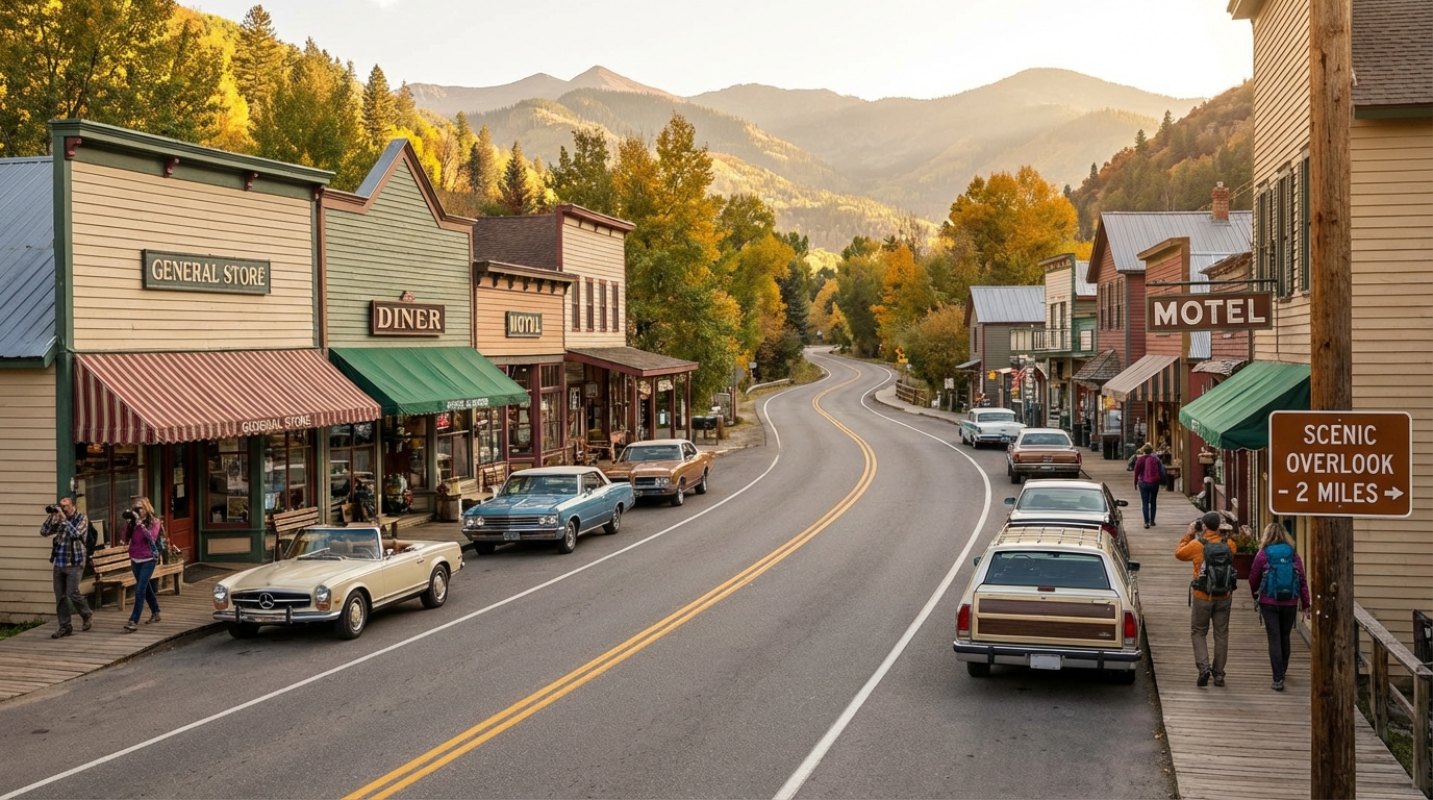
 If you drive through the American West today, you’re likely to encounter a fascinating paradox. You might be in a town that boasts fiber-optic internet and a growing tech scene, yet the historic downtown is a labyrinth of narrow, winding streets. You might be discussing housing market anxieties while standing in front of a Victorian courthouse built with silver rush money. This isn't coincidence. It’s the lasting echo of the frontier.
The story of the modern Western town isn't one of careful, long-term planning. It’s a tale of explosive, often chaotic growth dictated by the immediate needs of resource extraction, railroad expansion, and land acquisition. These 19th-century forces fundamentally dictated the current physical layout, the economic specialization, and the unique cultural identity of Western municipalities.
To understand why your local Western town looks, feels, and votes the way it does, you have to look back at the original blueprint. That blueprint, laid down in mud and urgency, is why these towns are simultaneously grappling with 21st-century population booms and 19th-century infrastructure limitations. We’re going to look at three main areas where frontier history still calls the shots: physical infrastructure, economic evolution, and civic identity.
The Imprint of Resource Extraction on Urban Planning
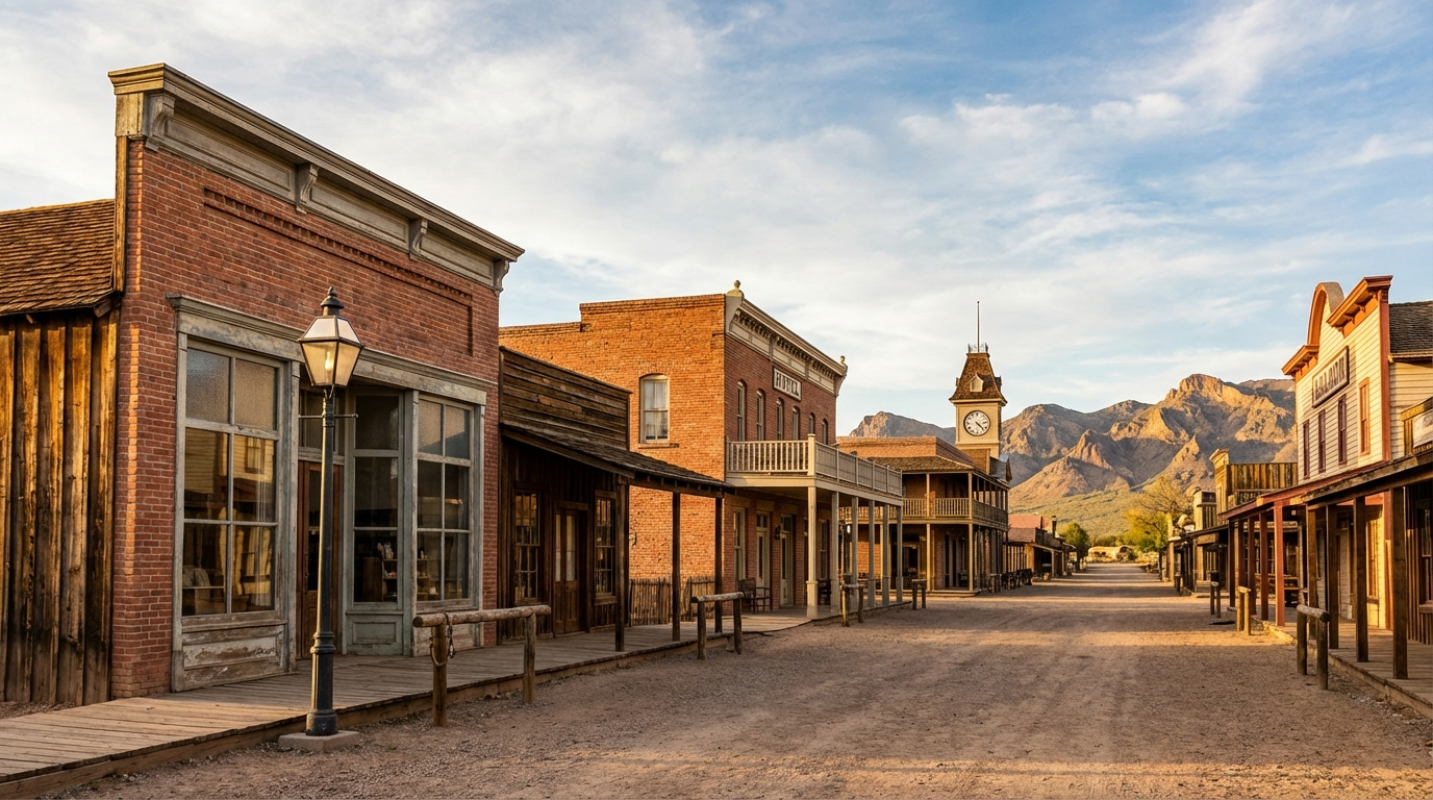
Imagine a mountain valley in the 1880s. A prospector strikes gold, and within six months, 10,000 people arrive. They don’t wait for zoning committees or infrastructure bonds. They need shelter and supplies now. This rapid, unplanned growth of the classic mining boomtown is the reason historic districts often feel so dense and disorganized.
Take a place like Deadwood, South Dakota, famous for its Gold Rush past. Its street grid is anything but logical. It’s a messy arrangement born from individual land claims staked in a rush, leading to the dense, vertically oriented cities we associate with mining. Contrast this with towns founded primarily as agricultural hubs or railroad stops, which typically feature sprawling, predictable grid layouts designed for ease of commerce and movement. The layout tells you everything about the town’s original purpose: was it built for quick wealth extraction, or for long-term settlement?
Today, this historical layout is both the town’s greatest asset and its biggest headache. Historic preservation is an important economic engine, often being more economical than new construction and serving as a natural incubator for small businesses. Federal programs, like the 20% Historic Preservation Tax Credit, actively encourage renovating these old buildings, recognizing that heritage is a valuable commodity.
But trying to maintain a 19th-century structure while installing 21st-century infrastructure is challenging. How do you run high-speed broadband through walls designed for gaslight? How do you manage traffic and parking when the main streets were only ever meant for horses?
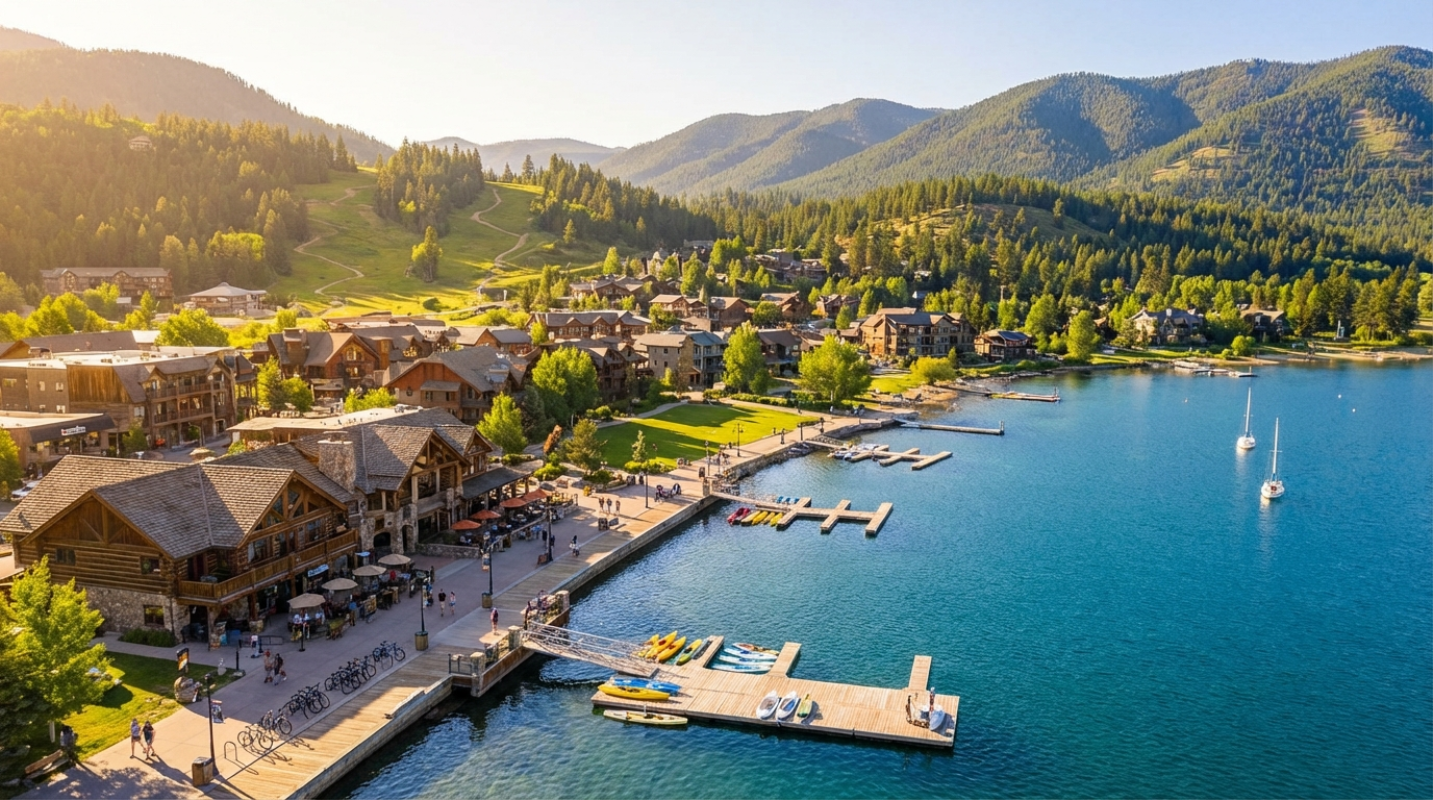
The success of some former boom towns in attracting new residents via remote work and recreation has created a new urban planning crisis: housing affordability. As places like Aspen, Colorado, have demonstrated, using historic architecture and surrounding natural beauty can turn a former silver town into a high-end destination.⁵ This influx of new wealth is driving up costs in desirable "exurban" areas, threatening to displace the long-time residents and service workers who keep the town running. It’s a dynamic tension: the very charm created by the frontier history is now pricing out the modern-day pioneers.
Connectivity, Commerce, and the Rise of Regional Hubs
If resource extraction determined where a town started, the railroad determined if it survived. The Transcontinental Railroad and its feeder lines were the great arbiters of destiny in the American West. If the tracks bypassed your settlement, it faded into a ghost town; if they intersected your community, you became a regional hub.
The important role of the railroad created a lasting infrastructure legacy that we still handle today. Think about your own downtown. You can likely identify the former rail yards, depots, and stockyards. These weren’t just places for trains; they were the economic heart of the community, processing everything from cattle to copper.
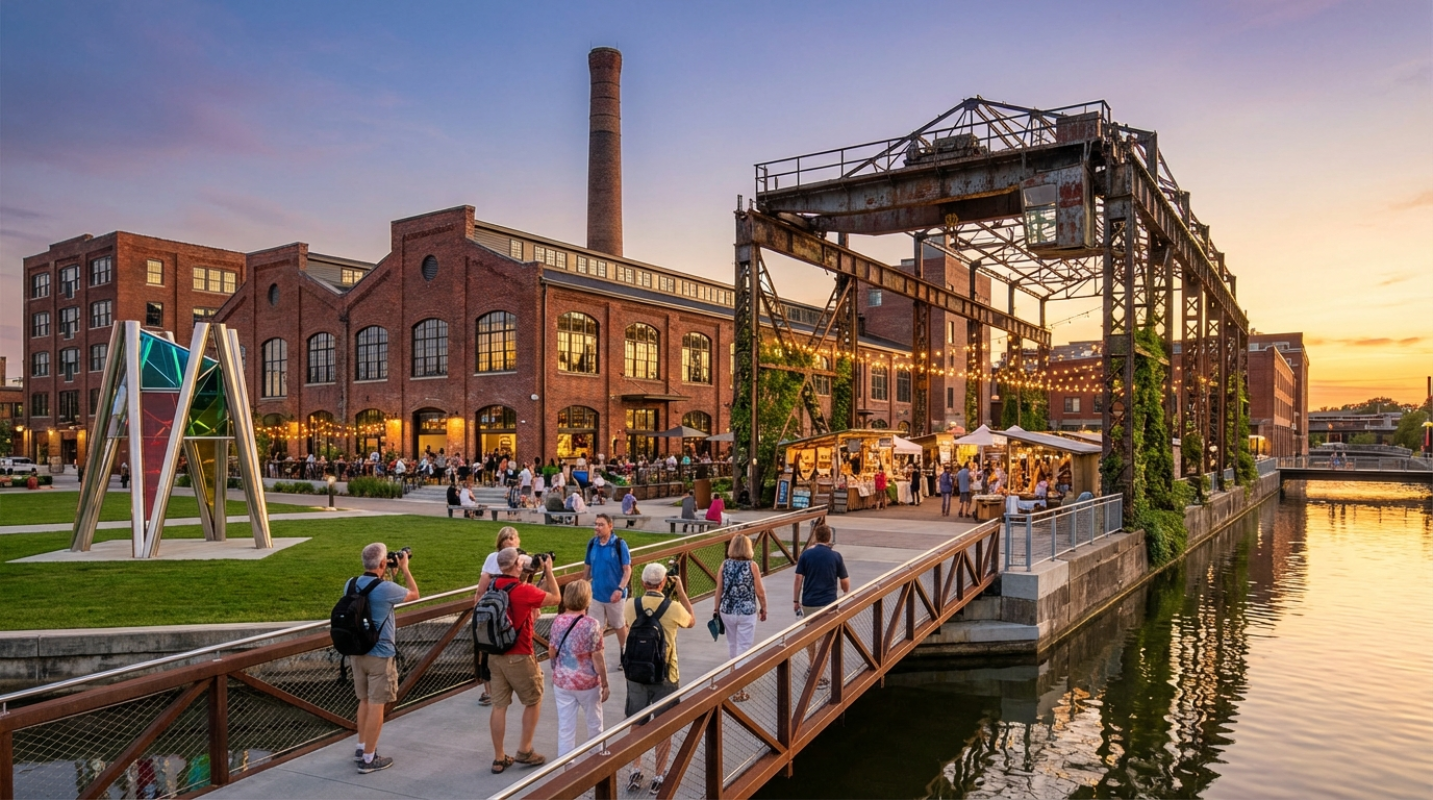
Today, these large, centrally located industrial tracts are undergoing what urban planners call "adaptive reuse." The old depots are now museums or civic centers. The sprawling, flat rail yards are being transformed into mixed-use cultural districts, commercial centers, or logistics hubs. This physical transformation acknowledges a necessary economic pivot.
The reliance on rail and resource extraction is rapidly winding down. Like, US coal production has fallen steeply in recent years, with Western states like Wyoming seeing massive drops. This shows the necessity of moving beyond the 19th-century resource economy.
Towns that have successfully transitioned have either become logistics centers, using their rail heritage for modern shipping, or they have leaned heavily into recreation and technology. Bozeman, Montana, is a prime example. It’s cited as a major success story for using its outdoor amenities and diversifying into the tech sector, becoming a magnet for remote workers. Remote work, which accounts for nearly 30% of workdays in the 2020s, is fueling migration to these high-quality-of-life Western towns.
The federal government is also pushing this pivot. The U.S. Department of Energy (DOE) is investing heavily in projects on former mine lands across states like Arizona and Nevada to demonstrate new uses, specifically large-scale photovoltaic solar power and battery energy storage systems. This is a direct approach to create new, sustainable jobs in communities that were built solely for coal or silver extraction. The economic life of the town is changing, but its physical location and the skills of its workforce are still rooted in the decisions of the railroad era.
Culture, Law, and the Myth of Rugged Individualism
Establishing society from scratch required an emphasis on self-reliance and local authority. That independent spirit, often romanticized as "rugged individualism," is a deep cultural manifestation of the West’s history, and it continues to influence current political attitudes and municipal governance.
In many early Western towns, legal frameworks often evolved from vigilante justice to established municipal codes, driven by the immediate need for order and property protection. This history of self-governance and a deep-seated distrust of distant federal authority is still visible in current debates over land use, water rights, and local taxation. When you see local pushback against federal environmental regulations, you’re often seeing the ghost of the 19th-century settler asserting their right to control the land they developed.
This frontier narrative is, of course, heavily commercialized. Heritage tourism is important for towns like Deadwood, South Dakota, which preserves its entire historic core to support its visitor economy. This commercialization often simplifies or glosses over the complex, often violent, history of the frontier, particularly concerning Indigenous populations.
In fact, the environmental and cultural conflicts of the 19th century are being replayed today with a modern twist. The push for new, important minerals, like lithium, needed to power the clean energy transition, is creating new conflicts with Indigenous cultural sites. In 2024, the Hualapai Tribe in Arizona was granted a temporary restraining order to block a lithium drilling operation near a sacred site, arguing that the federal government violated historic preservation laws. This is the exact same dynamic - resource extraction versus land rights - that defined the original frontier era.
Plus, the environmental costs of that 19th-century boom persist. An estimated 1,200 miles of rivers in the Western US are still classified as unsafe by the EPA due to historical contamination from mining. The legacy of the frontier isn't just picturesque saloons; it’s a long-term challenge for land and water stewardship that every Western town must face.
Integrating Heritage for Resilience
The story of Western towns is one of deep continuity. The physical layout, the economic trajectory, and the civic DNA were all set by the desperate, ambitious, and chaotic decisions made during the frontier era. You can’t understand 21st-century zoning or economic diversification without acknowledging the 19th-century land claims and rail lines that preceded them.
The great challenge for these legacy towns now lies in managing the tension between honoring that history and adapting to rapid change. They must balance the preservation of a historic built environment with the need for modern housing, high-speed connectivity, and climate resilience. The success of a town like Aspen or Bozeman shows that intelligently integrating frontier heritage with a modern economic approach is possible.
Western towns are not static museums dedicated to a bygone era. They are dynamic entities whose ongoing success depends on their ability to use the inherent resilience and ingenuity that defined their founding. The future of the West isn’t about erasing the past; it’s about making sure that the tough, innovative spirit of the frontier is applied to the challenges of population growth, environmental cleanup, and sustainable economic development today.
Sources:
1. Economic Impact of Historic Preservation
2. The Economic Impact of Historic Preservation
The information provided on MyUSAI regarding travel destinations, including but not limited to routes, prices, cultural descriptions, and historical data, is for general informational and educational purposes only.